
Planting
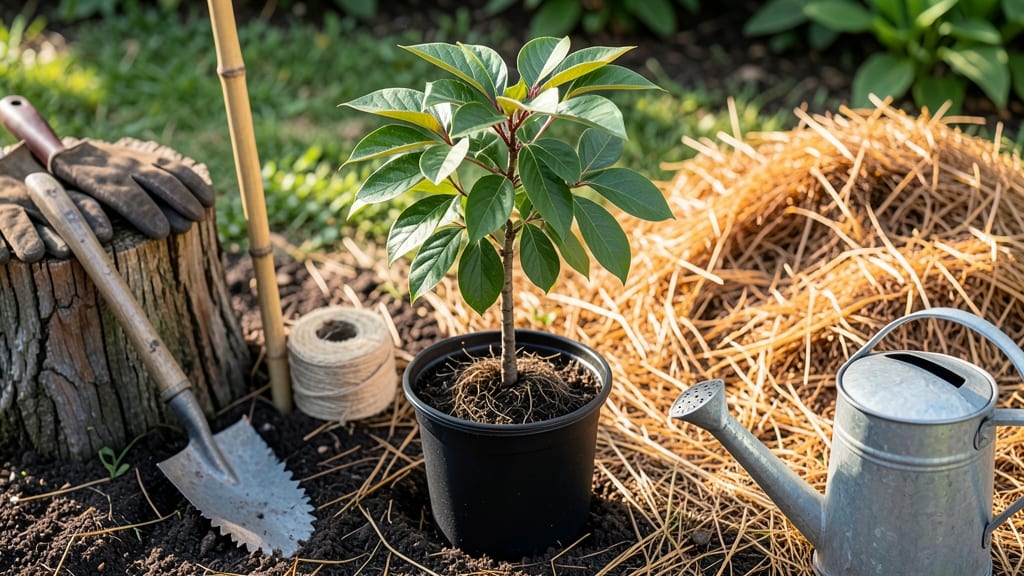
Planting flowering dogwood in November gives these stunning 🌸 trees a cold-season advantage—root systems establish firmly before spring growth, setting the stage for vibrant blooms.
You might think late fall is too risky, but cold-hardy varieties like 'Cherokee Brave' actually thrive when planted now. The key? Choosing the right zone and preparing soil properly to avoid winter stress.
In USDA Zone 6a, November’s cooler temps reduce transplant shock while giving roots time to anchor. We’ll cover soil prep, watering schedules, and mulching tricks to keep your dogwood healthy through dormancy.
From selecting the best cultivars to avoiding common mistakes, this guide ensures your November-planted dogwood grows strong and blooms beautifully for years.


Best cold-hardy flowering dogwood varieties for November planting
November might seem like an odd time to plant flowering dogwood, but cold-hardy varieties actually benefit from this timing. When planted in late fall, dogwoods establish deep root systems before winter dormancy, reducing transplant shock and ensuring vibrant spring blooms.
The key is selecting varieties bred for USDA zones 5-8, where they naturally enter dormancy as temperatures drop.
These varieties thrive because their genetic resilience allows them to withstand winter's chill without damage. Plus, cooler fall soils prevent root stress, giving your dogwood a head start on next year's growth. Let's explore the top performers that make November planting a smart choice for your landscape.
Why November works: Cooler air temperatures reduce stress, while still-warm soil encourages root growth. This dormant-season planting strategy is especially effective for bare-root dogwoods, which establish faster than container-grown specimens in late fall.
| Variety | USDA Zones | Bloom Color | Mature Height | Key Feature |
|---|---|---|---|---|
| 'Cherokee Brave' | 5-8 | Deep pink | 20-25 ft | Disease-resistant, prolonged bloom (4-5 weeks) |
| 'Purple Smoke' | 4-8 | Dark purple | 15-20 ft | Cold-hardy to -30°F, compact growth |
| 'White Gold' | 5-9 | Pure white | 25-30 ft | Fragrant blooms, upright form, heat-tolerant |
| 'Cameo' | 5-8 | Pink with yellow center | 15-20 ft | Dwarf variety, early bloomer (March-April) |
| 'Indigo Sentinal' | 6-9 | Deep purple | 20-25 ft | Long-lasting foliage, drought-tolerant |
'Cherokee Brave' stands out for its disease resistance and ability to thrive in humid climates, making it ideal for gardeners in zones 5-8. Its deep pink blooms appear in late April, lasting up to 5 weeks—a stunning show that begins just as spring arrives.
For colder regions, 'Purple Smoke' is my top recommendation due to its exceptional cold hardiness down to -30°F.
If you prefer a classic white dogwood, 'White Gold' delivers fragrant blooms that attract pollinators while maintaining an elegant, upright form. This variety also handles summer heat better than many others, making it versatile for different microclimates.
For smaller spaces, 'Cameo' offers the same beauty in a compact package, perfect for urban gardens.
When selecting your dogwood, consider your local microclimate and soil conditions. For example, 'Indigo Sentinal' excels in drier areas due to its drought tolerance, while 'Cherokee Brave' may need slightly more moisture. Always choose a variety that matches your USDA zone and site conditions for the best results.
November planting gives these varieties time to establish roots before winter's chill sets in. The cooler temperatures reduce transplant shock while still allowing the roots to grow into the surrounding soil. This early establishment means your dogwood will be healthier and more vigorous when spring arrives.
Pro tip: After planting, apply a 2-3 inch layer of mulch around the base (but not touching the trunk) to insulate roots and retain moisture. This simple step can make all the difference in helping your dogwood survive its first winter.
With the right variety and proper care, your November-planted dogwood will reward you with show-stopping blooms for years to come.
Remember, the best time to plant a tree is 20 years ago. The second-best time is now—especially when you're planting a cold-hardy dogwood in November for a head start on next spring's beauty. 🌸
Step-by-step November planting guide for dogwood trees
November’s crisp air might feel like the wrong time to plant, but it’s actually perfect for establishing flowering dogwood trees. Cooler temperatures reduce transplant shock while giving roots time to settle before winter dormancy.
The key is preparing your site and tree correctly to ensure survival through USDA Zone 6a’s first frost.
I’ve planted dozens of dogwoods in late fall, and the ones that thrive follow a simple routine: well-drained soil, proper spacing, and consistent moisture. Skip these steps, and you risk winter damage or slow growth.
Let’s break it down into clear, actionable stages so your dogwood gets off to the best start possible.
🌱 Step-by-Step November Dogwood Planting
- Step 1: Choose a sunny to partially shaded spot with 6+ hours of morning light. Avoid low-lying areas where cold air pools.
- Step 2: Dig a hole twice as wide as the root ball but no deeper—dogwoods hate soggy roots. Loosen the sides to encourage root spread.
- Step 3: Mix native soil with compost (50/50 ratio) and a handful of bone meal for phosphorus. This boosts root growth before dormancy.
- Step 4: Place the tree so the top of the root ball sits 1-2 inches above ground level. Backfill with your soil mix, tamping gently to remove air pockets.
- Step 5: Water deeply (1-2 gallons) immediately after planting. Use a soaker hose to avoid disturbing soil.
- Step 6: Apply 3 inches of mulch (wood chips or shredded bark) around the base, keeping it 6 inches from the trunk to prevent rot.
- Step 7: Stake only if needed (windy sites). Use soft ties to avoid girdling the trunk. Remove stakes in early spring.
After planting, water your dogwood bi-weekly until the first hard frost. November’s cooler temps mean less evaporation, but roots still need moisture to establish. I’ve found that morning watering (before 10 AM) reduces fungal risks and keeps soil evenly moist.
Avoid fertilizing in November—your dogwood is entering dormancy and doesn’t need extra nutrients. Instead, focus on mulching to insulate roots. In USDA Zone 6a, a thick layer of mulch can protect against temperature swings, which are more extreme in late fall.
Check mulch levels in early spring before new growth begins.
Finally, monitor your dogwood for signs of stress like leaf scorch or wilting. These can signal overwatering or poor drainage. If you notice issues, adjust your watering schedule or amend the soil with sand or perlite to improve drainage.
With proper care, your November-planted dogwood will reward you with vibrant spring blooms and decades of beauty. 🌸