
Blooming
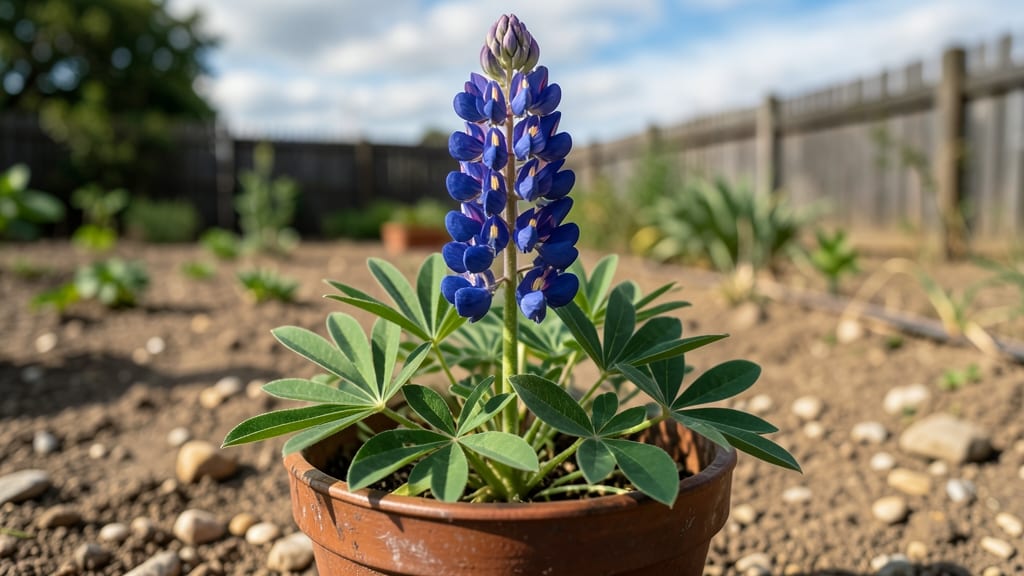
Lupines bloom during the lupine flowering season in spring and summer 🌸, turning gardens into a sea of blue that’s as reliable as it is stunning—but timing it right depends on your climate zone and the variety you grow.
If you’ve ever dreamed of transforming your garden into a stunning blue paradise, understanding the lupine flowering season is your first step—because these vibrant blooms don’t just appear on a whim.
In USDA Zone 6a, where many gardeners plant lupines in March or April, blooms typically appear by late spring, lasting through early summer. But cooler zones may see them peak later, while warmer climates could enjoy a longer display.
Below, I’ll break down the exact timing by region, the science behind their iconic color, and pro tips to extend those show-stopping blooms for weeks longer.
When lupines bloom: exact flowering season by USDA climate zone
If you're planning your garden's color palette, knowing the lupine flowering season is essential. These stunning blue blooms thrive in different USDA zones, with their peak seasons varying dramatically from spring to early summer.
Whether you're in Zone 3 or Zone 10, timing matters—because lupines don't bloom on a fixed calendar.
Most gardeners assume lupines bloom in late spring, but that's only true for cool-climate varieties. In warmer zones, you might see summer-blooming lupines that stretch your garden's color show into July or August.
Even within the same zone, microclimates can shift bloom times by weeks—so your neighbor's lupines might be in full bloom while yours are just budding.
The key to predicting lupine blooms lies in understanding frost dates and daylength sensitivity. Lupines are long-day plants, meaning they respond to increasing daylight hours.
In northern zones (3-6), they typically bloom after the last frost, while southern varieties (7-10) often wait for cooler fall temperatures to trigger flowering.
Let's break down the exact blooming windows by zone, including regional variations that might surprise you. The comparison table below shows typical bloom times, but remember: soil conditions, water availability, and even wind exposure can push these dates earlier or later by up to 2-3 weeks.
In Zones 3-4, where winters are harsh, lupines typically bloom between late May and June. This delayed timing gives them a head start on pollinators emerging from winter dormancy.
The 'Russell Hybrid' variety, for example, often blooms earliest in these zones, with its vibrant blue spikes appearing just as wild columbines finish their show.
Gardeners in Zones 5-6 enjoy the longest lupine season, with spring blooms from early May potentially extending into July if you plant summer varieties like 'Chief Joseph'.
The Pacific Northwest stands out here, where lupines often bloom 2 weeks earlier than the rest of the region due to cooler maritime climates and longer daylight hours in spring.
For those in Zones 7-8, the lupine season becomes a two-act performance. Spring blooms appear in April-May, but many varieties—especially 'Sunset Hybrid'—rebloom in June-July when temperatures dip slightly.
In the Gulf Coast, this second bloom can stretch into August, creating a summer-long blue display that pairs beautifully with black-eyed Susans and salvias.
Southern gardeners in Zones 9-10 get the most unique lupine experience, with winter and fall blooming seasons. Varieties like 'Silver Cup' often bloom from February-March, while 'Centennial Celebration' may produce late summer flowers in September-October. In desert regions, monsoon rains
Why lupines turn blue: the science behind their iconic color
Lupines are famous for their vibrant blue flowers, but have you ever wondered why they turn this striking shade? The answer lies in a fascinating mix of genetics and environmental triggers that work together during their flowering season.
The iconic blue hue comes from a group of pigments called anthocyanins. These natural compounds aren't just pretty—they act as sunscreen and antioxidants, protecting the flower from UV damage while attracting pollinators like bees and butterflies.
In lupines, these pigments are especially concentrated, creating that signature blue we all love.
The genetic blueprint of lupines plays a crucial role too. Different varieties produce varying intensities of blue—some are sky-blue, others deep indigo. For example, Lupinus polyphyllus (the Russell lupine) tends to produce richer blues than Lupinus perennis, which often leans toward lighter lavender tones.
These genetic differences explain why some lupines in your garden might look more vibrant than others.
Environmental factors like temperature and light intensity during the lupine flowering season can also shift the color spectrum. Cooler spring mornings often result in deeper blues, while hotter afternoons might produce slightly lighter shades.
This is why lupines planted in partial shade sometimes develop more muted tones compared to those basking in full sun.
Even soil chemistry affects the final color. Lupines thrive in slightly acidic to neutral soil (pH 5.0-6.5). If your soil is too alkaline, the blue pigments may appear more purple or pink.
Testing your soil's pH and amending it with organic matter or elemental sulfur can help maintain that classic blue we all love during their flowering season.
Next time you admire your lupines' stunning blue blooms, remember it's a perfect storm of science and garden care that creates this natural masterpiece. With the right conditions, you can encourage even more vibrant colors in your garden each season! 🌿