Why I started Flower Daily
I was twenty, knee-deep in a raised bed of tomato seedlings, when the first blight struck. The plants wilted overnight—no warning, no chance to save them. I’d spent weeks nurturing those sprouts, and in three days, they were gone.
A neighbor, an old gardener with calloused hands, told me, *‘The soil remembers what you don’t.’* That’s when I realized most gardening advice was either too vague (*‘give it sunlight’*) or too late (*‘wait until it’s too cold to plant’*).
So I started *Flower Daily*—a place where every tip, every warning, and every lesson learned from my own failures is written for people who don’t have a mentor standing over their shoulder.
This is for the beginner who’s not sure if their basil needs more light or more water, and for the veteran who’s tired of guessing why their peppers keep cracking. No jargon, no assumptions. Just what works, and why.
Meet the founder

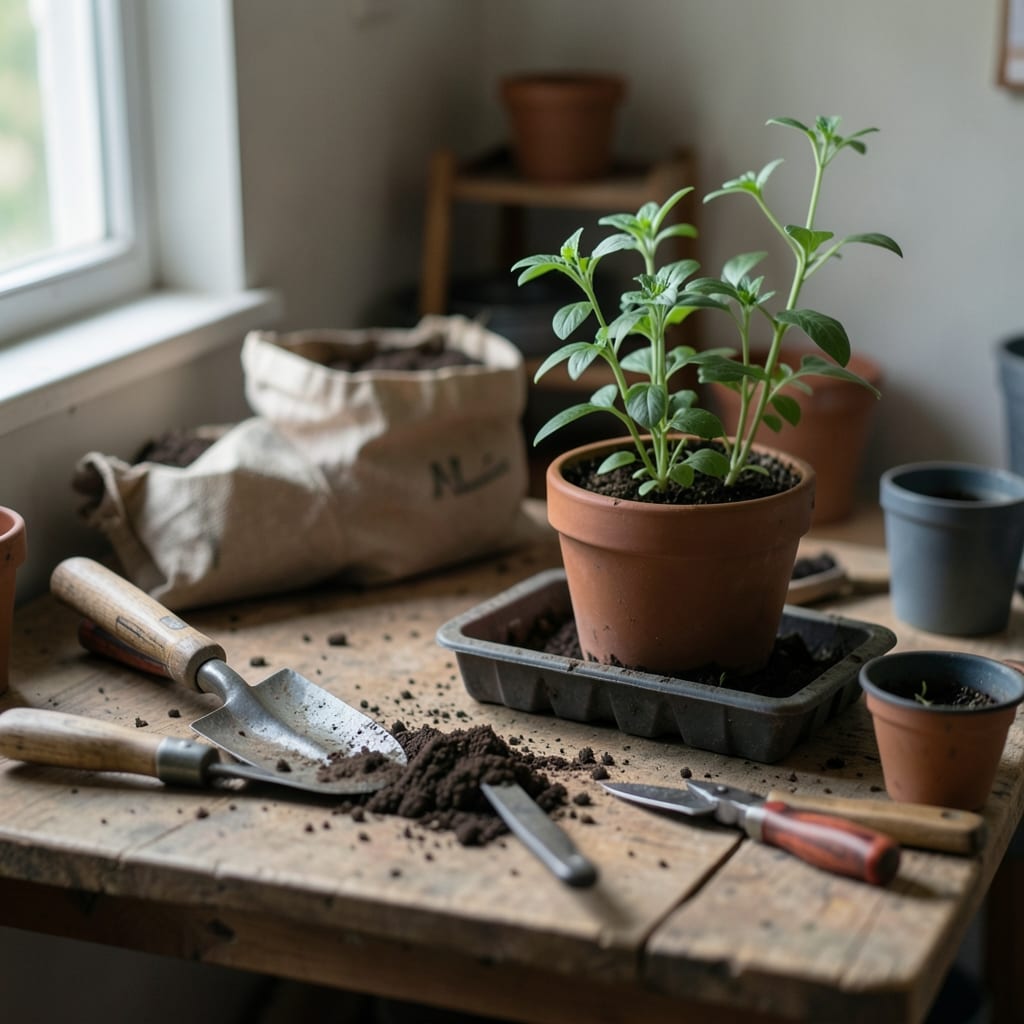
I still have the chipped plastic trowel I used as a kid—the one that broke when I tried to dig up a dandelion too stubborn for its size. It’s in my toolbox now, next to a rusted pair of pruning shears my grandfather gave me.
That trowel taught me two things: patience (the dandelion came back) and that tools don’t matter as much as knowing how to use them. I’ve since lost count of how many ‘better’ tools I’ve bought, but that trowel? It’s still the one I grab when I’m in a hurry.
My real education came from a woman named Mabel, who ran the community garden behind my childhood home. She’d watch me fuss over my tomato plants like they were fragile porcelain, then hand me a handful of compost and say, *‘Plants don’t care if you love them.
They care if you listen.’* That’s the only gardening rule I’ve never broken: I still kneel down to check the soil before I water, even when I’m in a rush.
The year I nearly killed my first batch of heirloom beans was the year I learned to trust the soil’s timing over the calendar. I’d followed a guide that said *‘plant in early spring,’* but my zone’s spring was a cold, damp mess. The beans rotted in the ground.
Mabel just laughed and said, *‘You planted ‘em like a city kid with a trowel.’* Now I wait for the earth to warm under my fingers before I even think about seeds.
I have a habit of talking to my plants. Not full sentences—just murmurs about how they’re doing, or what I think they need. My neighbors think I’ve lost it, but the tomatoes always seem to grow better on the days I’m muttering at them. Maybe it’s the rhythm.
Maybe it’s the fact that I’m actually paying attention. Either way, if you see me gardening and I’m not alone, I’m not crazy. I’m just checking in.
Meet the mascot
The first sketch of what became *Flower Daily*’s mascot was a scribble on a napkin during a rain delay at a local farmers’ market.
I’d just watched a vendor struggle to explain why her zucchini were lopsided, and I thought, *‘What if a drawing could say it faster?’* That napkin had a sunflower with too many petals and a stem that looked like a question mark.
It didn’t make sense, but it stuck in my head.
The next version was drawn on graph paper—this time, a carrot with oversized leaves and a face that looked permanently confused. I’d tried to give it personality, but the proportions were all wrong.
The leaves were too big for the root, and the ‘face’ just made it look like it was judging me. So I simplified: one wobbly line for the stem, three uneven petals for the flower, and a dot for the eye. The confusion became charm.
By the time it was small enough to fit in a browser tab, it had lost most of its original details. The petals became triangles, the stem a single curved line, and the ‘face’ a single dot that now just looks like a dewdrop.
I call it *Dewdrop*—not because it’s fancy, but because it’s the one thing that never changes, no matter how much I mess up the rest of the garden.
What I promise you
You’ll never find advice here that’s been copied from a book or another website without a fight. If I don’t know something works, I’ll tell you—and if I’m wrong, I’ll update it. This site is a living garden, not a static guide.
What you can hold me to
- Every plant mentioned has been grown by me (or a trusted gardener) in my own soil and climate.
- If a method fails, I’ll explain why—and what to try next (or what to plant instead).
- No ‘wait until the stars align’—just real seasons, real tools, and real results.
- The worst failures (and the best surprises) are always included.
How I create a gardening tip
A tip here always starts with a problem: a plant that won’t thrive, a season that throws me off, or a tool that doesn’t do what I need. I don’t begin with a solution—I start by asking *why* something went wrong. Was it the soil? The water? The timing?
Sometimes it’s all three. The first step is always digging (literally) to find the root of the issue.
The soil test
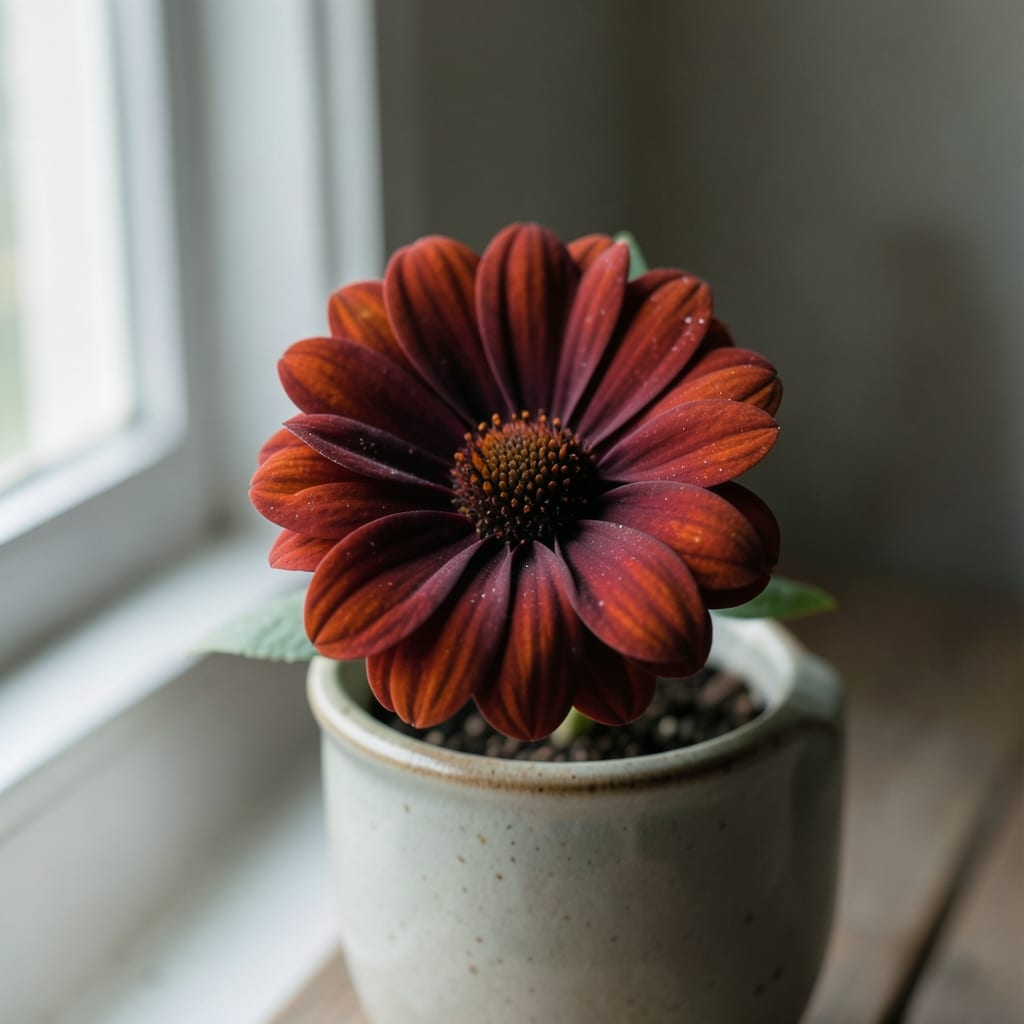
Before I plant anything new, I test the soil with my fingers—not a fancy kit, just pressure. If it crumbles easily, it’s ready. If it sticks together like wet clay, it needs compost or a rain delay.
I watch for two things: how long it takes to dry out after watering, and whether the worms (the real gardeners) are happy. If the soil smells sour or the worms avoid it, I know something’s off before I even see the plants struggle.
The worst mistake I’ve made is planting too early. Last spring, I rushed my peas into cold soil, and they rotted within days. Now I wait until the earth is at least 50°F (10°C) two inches down—no guessing, just a stick thermometer in the ground.
If the soil’s too cold, I’ll plant something else that likes the chill, like spinach or kale. Patience beats perfection every time.
The fix
If a plant is struggling, I never grab the biggest hammer—I start small. Too much water? Let the soil dry out and add perlite to improve drainage. Not enough sun? Move the pot or thin the surrounding plants.
The key is watching for the first sign of trouble: yellowing leaves, stunted growth, or wilting that doesn’t snap back after watering. By the time a plant is *obviously* dying, it’s often too late to save it.
My go-to fix for overwatered seedlings is a mix of sand and coconut coir—I dump it around the base to break up compacted soil and give roots room to breathe. If pests are the issue, I’ll introduce ladybugs or neem oil before resorting to chemicals.
And if a plant just *hates* my climate? I’ll replace it with something tougher next season. No guilt, just lessons.
How a page gets onto this site
Every tip here is written while I’m still covered in dirt—no fancy editing, just notes scribbled on the back of a seed packet. I’ll rewrite it later, but the first draft always comes from the garden, not the desk.
If a method fails after I publish it, I’ll update the page immediately. This isn’t a static guide; it’s a conversation with the soil, and the soil doesn’t wait for deadlines.
Write to me
I love hearing about the plants that outsmarted you, the tools that finally worked, or the gardening myths you’ve proven wrong. Did your tomatoes refuse to ripen? Did your compost pile explode in summer? Send me the details—I’ll test it, write about it, and maybe even feature your name.
You can reach me through the contact page.
This site is for the gardeners who’ve ever wondered if they’re doing it right. If that’s you, you’re already part of the process. Now go dig in.
Horace
The guides are grouped by category: Advice, Aphids, Blooming, Companion Plants, Container Gardens and Diseases.