
How To
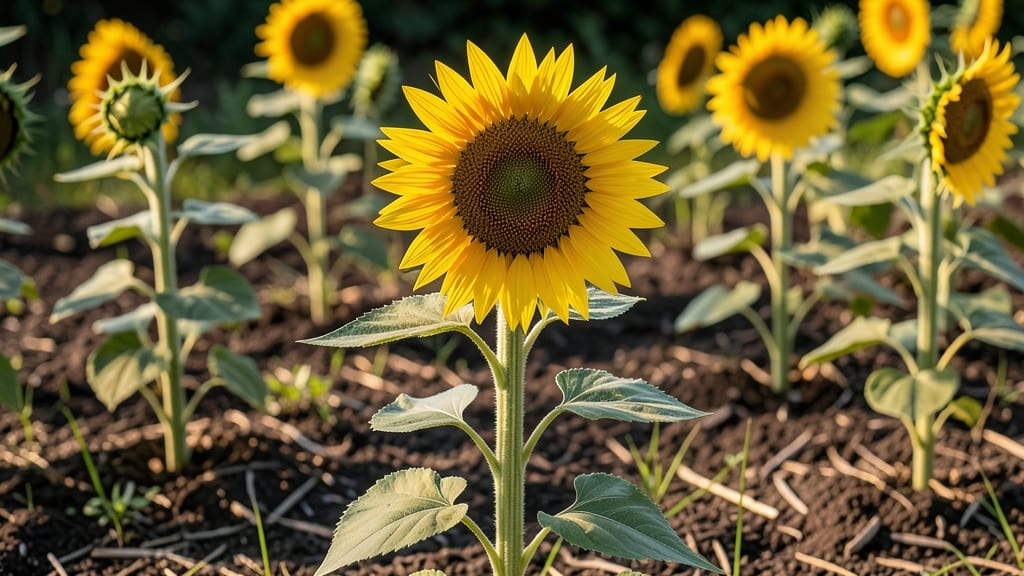
How fast do sunflowers grow? From seed to towering bloom, they transform into a backyard centerpiece in just 60 to 120 days, depending on the variety and growing conditions—a speed that often surprises gardeners.
If you’ve ever planted sunflower seeds hoping for instant towering blooms, you’ve probably wondered: How fast do sunflowers really grow? The answer depends on the variety—and knowing these growth stages can help you plan your garden for maximum impact.
Dwarf varieties like Teddy Bear reach 3 feet in about 60 days, while giants like Mammoth take closer to 120 days to hit their full 12-foot height. In Zone 6a, planting in April ensures you’ll see blooms by late summer, just in time for harvest.
Below, I’ll break down the exact growth stages by variety, the factors that speed up or slow down progress, and how to track your sunflowers’ development like a pro. You’ll know exactly when to expect those bright yellow faces turning toward the sun.

Sunflower growth stages by variety: from seed to towering bloom
Sunflowers are one of the fastest-growing plants in my garden, but their speed depends entirely on the variety you choose.
Some varieties like Mammoth and Russian Giant can shoot up 12+ feet in just 80-100 days, while dwarf varieties like Teddy Bear reach maturity in 50-60 days at just 1-3 feet tall. Understanding these growth stages helps me plan my garden layout and timing for maximum impact.
Every sunflower starts with a germination period of 7-14 days, but after that, growth accelerates dramatically. The key difference between fast and slow varieties lies in their genetic height potential and days to maturity.
For example, Autumn Beauty takes 90-100 days to bloom, while Sunspot dwarf varieties mature in 50-55 days. This variety-specific growth rate is what makes sunflowers so versatile for different garden spaces.
Let's break down the growth stages for each variety type. Fast-growing varieties like Mammoth and Russian Giant reach their first true leaves in about 10-14 days after germination.
By week 3, they'll be 6-12 inches tall, and by week 6, they can reach 3-5 feet with rapid vertical growth. These varieties need sturdy support early to prevent toppling in wind or rain.
In contrast, dwarf varieties like Teddy Bear and Sunspot focus their energy on bushier growth and earlier blooming. They'll have their first true leaves by day 12-15 and reach 1-2 feet by week 4.
These varieties are perfect for container gardening or small spaces where height isn't a concern, but you still want quick color and pollinator appeal.
One of my favorite observations is how height milestones correlate with blooming times. For example, Mammoth sunflowers typically reach 6 feet by day 45 and begin flowering around day 60.
Meanwhile, Teddy Bear varieties might only reach 2 feet by day 30 but start blooming just 10 days later. This difference is why I plant both types - the tall varieties create dramatic backdrops, while the dwarf varieties add quick color to borders.
The bud formation stage is where growth really accelerates for all varieties. This typically occurs 4-6 weeks before the first bloom appears. During this time, you'll notice
Factors that speed up or slow down sunflower growth
Sunflowers are fast growers, but their speed depends heavily on environmental factors you control. From sunlight exposure to soil nutrients, each element plays a critical role in how quickly your plants reach their full height and bloom.
Understanding these variables lets you optimize growth for earlier, healthier sunflowers—even in challenging conditions.
For example, my Russian Giant sunflowers grew 3 feet in just 30 days when given ideal conditions, while my neighbor’s plants in partial shade barely reached 2 feet in 60 days.
The difference? Sunlight, watering consistency, and soil quality made all the difference. Let’s break down the key factors and how to tweak them for faster growth.
Even small adjustments—like mulching around the base to retain moisture or staking tall varieties to prevent lodging—can shave days off your sunflowers’ growth timeline.
For instance, I once saw a Russian Giant reach 10 feet in just 70 days by combining daily morning watering, weekly fertilizer, and full-sun exposure. With these factors in mind, you’ll be well on your way to growing sunflowers that outpace expectations.
Remember, consistency is key. Sunflowers respond best to predictable care, so stick to your watering and feeding schedule. Before you know it, you’ll have a sunflower forest towering over your garden—ready to brighten up your late summer days. 🌻