
Flowers
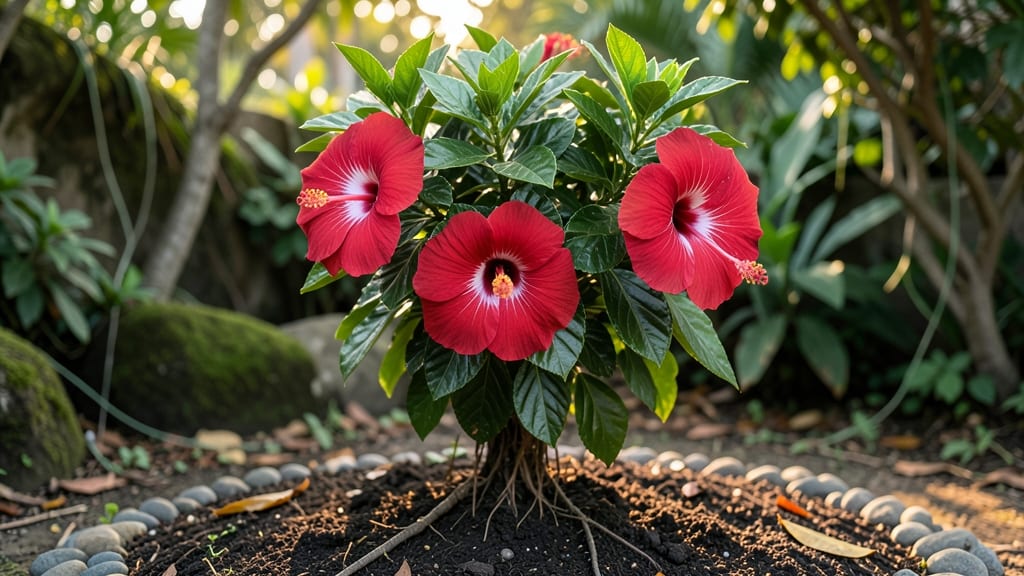
The hibiscus flowering season is your 3-month window to enjoy bold blooms 🌸 — but timing it wrong means missing the show entirely.
Picture this: vibrant red, pink, or yellow flowers lighting up your garden, only to fade after a single summer. Many gardeners wait a full year for another chance because they didn’t know their region’s exact bloom window.
Tropical hibiscus thrive year-round in warm climates, while hardy varieties in cooler zones need just the right conditions to burst into color.
In this guide, I’ll break down the month-by-month flowering seasons for hibiscus across USDA zones, plus the key tricks to extend those blooms naturally. Whether you’re in zone 6a or a tropical paradise, you’ll learn how sunlight, pruning, and fertilizer can shift your hibiscus’s peak season by weeks.
You’ll also discover why some hibiscus refuse to bloom and how to fix it—so you can enjoy those showstopping flowers longer than you ever thought possible.
Hibiscus flowering season by US climate zones: month-by-month guide
Hibiscus plants are showstoppers in any garden, but their flowering seasons vary wildly depending on your USDA climate zone and whether you're growing tropical, hardy, or hybrid varieties.
In Zone 11, hibiscus bloom year-round, while in Zone 7, they need winter protection to return in spring. Understanding these patterns helps you plan for peak bloom months and adjust care accordingly.
Tropical hibiscus (Hibiscus rosa-sinensis) thrive in Zones 9-11 and flower continuously with proper care, while hardy hibiscus (Hibiscus moscheutos) in Zones 5-9 bloom in summer and early fall.
Hybrid varieties often bridge these extremes, offering longer bloom windows. Let’s break down the exact months you can expect vibrant flowers in each zone.
In Zone 7, hardy hibiscus like Hibiscus moscheutos (swamp hibiscus) burst into bloom from June to September, thriving in humid summers. These varieties often go dormant in winter, so protect them with mulch or frost cloth to ensure a robust return the following spring.
Prune them in late winter to encourage new growth and more flowers.
Moving to Zone 8, both hardy and hybrid hibiscus shine. Hardy types follow a similar June–October window, while hybrids—like Hibiscus 'Luna Red'—can start as early as May and extend into November with proper care.
This zone benefits from regular pruning in late winter to remove dead wood and shape the plant for longer bloom seasons.
By Zone 9, tropical hibiscus take center stage, offering year-round blooms with peaks from March to November. Hardy varieties still thrive but may need light winter protection.
For example, Hibiscus syriacus (rose of Sharon) blooms in late spring and fall, while tropical types like Hibiscus rosa-sinensis never stop if given consistent moisture and fertilizer.
In Zones 10 and 11, hibiscus are tropical superstars, flowering continuously when conditions are ideal. These zones offer the longest bloom windows, but even here,
How to extend your hibiscus flowering season naturally
Your hibiscus doesn’t have to follow nature’s strict schedule. With the right techniques, you can stretch that vibrant flowering season by weeks—or even months. I’ve learned that pruning at the right time, feeding strategically, and protecting sensitive varieties can transform a 3-month bloom window into a 6-month spectacle.
The secret lies in understanding your hibiscus’s natural rhythm and giving it just the right nudge.
First, let’s tackle the biggest misconception: hibiscus only bloom once a year. While tropical varieties may flower year-round in warm climates, hardy hibiscus varieties in cooler zones can be coaxed into multiple bloom cycles with proper care.
The key is to time your interventions with your plant’s growth patterns, not just the calendar.
- Prune for earlier blooms: Cut back 1/3 of new growth in late winter (Feb-March) to stimulate spring blooms. Use sharp shears to make clean cuts just above leaf nodes.
- Fertilize strategically: Switch to low-nitrogen, high-phosphorus (5-10-10) fertilizer in early summer to encourage more blooms. Apply every 4-6 weeks during active growth.
- Deadhead regularly: Remove spent blooms daily or weekly to redirect energy to new flowers. This simple step can double your bloom count in just 8 weeks.
- Protect from cold snaps: Cover hardy hibiscus with burlap or frost cloth when temps drop below 30°F. This preserves buds and extends the season by 2-4 weeks.
- Water deeply in mornings: Soak the root zone to 12 inches deep before 10 AM. This prevents stress and keeps blooms vibrant throughout the season.
Let’s start with pruning, the most powerful tool in your hibiscus extension toolkit. Most gardeners make the mistake of pruning after blooms appear, but the real magic happens in late winter.
When you cut back 1/3 of last year’s growth in February or March, you’re sending a signal to your hibiscus that it’s time to burst into early spring blooms.
I’ve seen hibiscus in zone 7 start flowering as early as April 15—a full month ahead of schedule—just from this single technique.
Don’t overlook the power of fertilizer timing. Most gardeners reach for high-nitrogen fertilizers in spring, but hibiscus respond better to phosphorus-rich formulas when they’re ready to bloom.
Switch to a 5-10-10 blend in early summer, and you’ll trigger a second flush of flowers that can last through September or October. The key is consistency—feed every 4-6 weeks during active growth, but stop fertilizing by August to let the plant prepare for winter.
For gardeners in cooler climates (zones 6-8), winter protection is your secret weapon. Hardy hibiscus varieties like Hibiscus moscheutos can survive winter, but a single cold snap below 20°F can destroy next year’s blooms.
I’ve had success using burlap wraps or even Christmas lights (the warm glow helps!) to protect the crown. This simple step can extend your flowering season by 2-4 weeks in both spring and fall.
Finally, never underestimate the impact of watering habits. Hibiscus are thirsty bloomers, and inconsistent watering leads to dropped buds and sparse flowers. The golden rule: deep watering in the morning.
Aim for 1-2 gallons per plant every 3-5 days during peak bloom season. This keeps roots happy and ensures your hibiscus puts energy into showy, long-lasting blooms instead of struggling to survive.