
Flowers
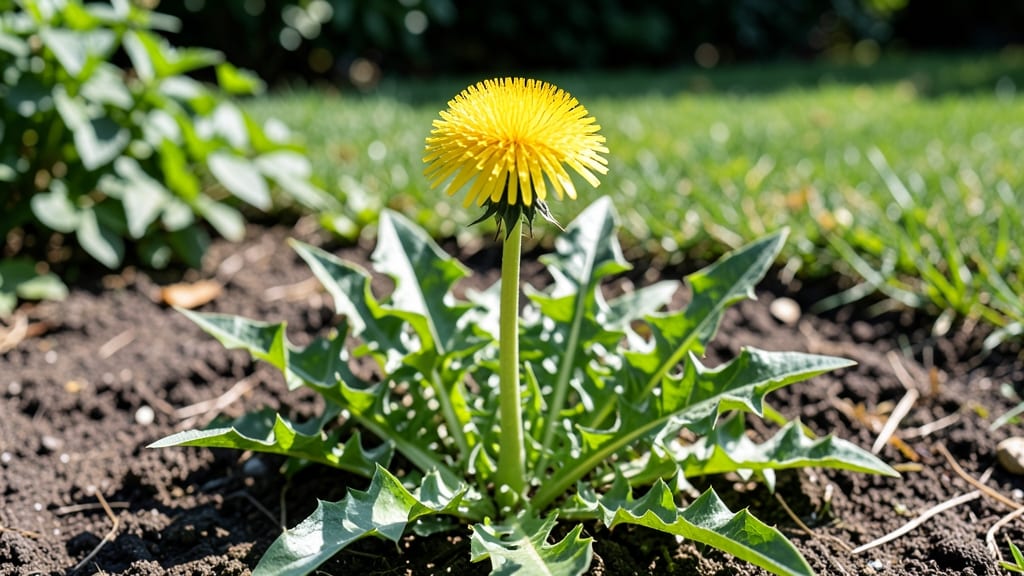
Weeds with yellow flowers spreading across your garden as a ground cover can turn your carefully tended beds into a chaotic mess if you don’t act fast.
Picture this: you’ve just spent hours planting your favorite perennials, only to wake up the next morning and find bright yellow blooms popping up everywhere—smothering your prized plants and stealing their nutrients.
These invasive ground cover weeds don’t just ruin the look of your garden; they can also make it harder for your desired plants to thrive.
In this guide, we’ll help you identify the most common yellow-flowered ground cover weeds, like creeping buttercup 🌼 and dandelions, and share effective removal methods—both organic and chemical-free—to get your garden back under control.
Whether you’re dealing with stubborn invaders or just want to prevent them in the first place, these tips will save you time and frustration.
You’ll learn how to spot these weeds early, the best tools and techniques for removal, and long-term strategies to keep your garden looking its best without resorting to harsh chemicals. Let’s get started!
12 Most common ground cover weeds with yellow flowers (and how to spot them)
Identifying yellow-flowered ground cover weeds early is key to protecting your garden's health. These persistent plants often mimic desirable flowers like coreopsis or black-eyed susans, but their aggressive spreading habits make them true nuisances.
I've spent years tracking these invaders in my own yard, and the first step to control is always accurate identification.
Most gardeners confuse these weeds with beneficial plants because they share similar bright yellow blooms. However, weeds typically have shallow root systems, spread via runners or seeds, and lack the structural depth of ornamental flowers.
Let's examine the 12 most common offenders and how to distinguish them from your prized garden plants.
⚠️ Pro Tip: Always pull weeds before they set seed—this is when they become most problematic. A single dandelion can produce up to 200 seeds in one season!
Best organic and chemical-free removal methods for yellow-flowered ground cover weeds
Yellow-flowered ground cover weeds like creeping buttercup and dandelions can dominate your garden if left unchecked. The good news? You don’t need harsh chemicals to banish them.
Organic methods like manual removal, mulching, and natural herbicides work just as effectively—sometimes even better—while keeping your garden safe for kids and pets. Let’s explore the best approaches tailored to your specific weed types.
Your removal strategy depends on the weed’s root depth and growth habit. Shallow-rooted weeds like black medic can be pulled by hand, while deep-rooted invaders like dandelions require more aggressive tactics. Always remove weeds before they go to seed, or you’ll face a resurgence next season.
Start with the right tool for the job—whether it’s a weeding fork, hands, or a homemade vinegar spray.
Manual Removal
- ✅ Immediate results
- ✅ No chemicals needed
- ✅ Reusable for compost
- ❌ Time-consuming
- ❌ Risk of regrowth
- ❌ Requires frequent checks
Vinegar Solution
- ✅ Kills weeds fast
- ✅ Non-toxic formula
- ✅ Cost-effective
- ❌ Can harm nearby plants
- ❌ Requires reapplication
- ❌ Works best in sunny weather
Mulching
- ✅ Prevents regrowth
- ✅ Retains soil moisture
- ✅ Improves soil health
- ❌ Takes time to establish
- ❌ Requires maintenance
- ❌ Less effective on established weeds
For manual removal, focus on early morning or evening when soil is moist, making weeds easier to pull. Use a weeding fork for stubborn roots or a hand trowel for precision. Always pull from the base and check for remaining root fragments—even a tiny piece can regrow.
For creeping buttercup, which spreads via runners, dig out the entire root system to prevent future outbreaks.
When vinegar solutions are your go-to, mix 1 gallon of white vinegar with 1 cup of salt and 1 tbsp of dish soap for a potent herbicide. Spray directly on weeds on a sunny day to maximize effectiveness.
Test a small area first to ensure nearby plants won’t be damaged. This method works best for small patches of weeds, not large infestations. Reapply every 3-5 days until weeds are fully browned.
Mulching is a preventative powerhouse—apply a 3-4 inch layer of organic mulch like straw or wood chips to block sunlight and suppress weed seeds. For existing weeds, smother them with cardboard or newspaper topped with mulch.
This method is ideal for long-term weed control and improves soil fertility as the mulch breaks down. Just remember to refresh the layer every 3-6 months for best results.
For stubborn invaders like dandelions, combine methods: pull what you can, then apply a targeted vinegar spray to remaining roots. Follow up with mulch to prevent regrowth.
Consistency is key—weeds don’t disappear overnight, but with weekly maintenance, you’ll reclaim your garden naturally. The best part? Your soil will thank you for skipping the chemicals.