
Plants
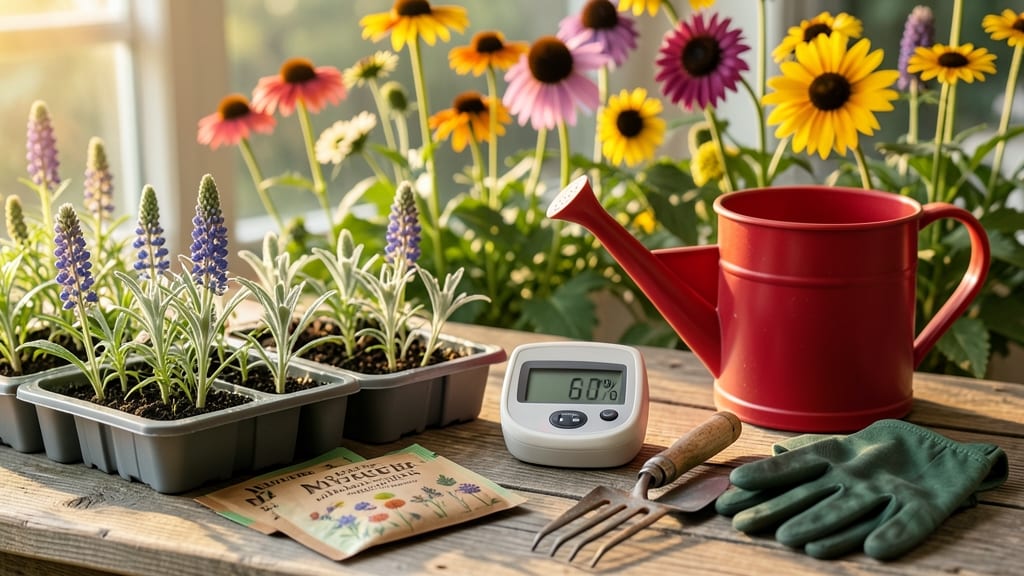
To plant wildflower seeds in NJ at the right time means catching the narrow window between last frost and peak summer heat — typically late March to early April for most of the state, with coastal areas playing by slightly different rules.
Picture this: you’ve prepped your soil, scattered those tiny 🌼 seeds, and watered them in — only to watch them bake under a sudden heatwave or freeze overnight.
That’s why timing matters more than you’d think, especially in NJ’s 6a-7b zones where microclimates shift dramatically from the Jersey Shore to the Highlands.
Spring planting is the classic choice, but fall offers a secret advantage: cooler soil and fewer weeds. The key is knowing your region’s last frost date and adjusting for soil temperature, which can vary by 10°F between inland valleys and coastal plains.
Below, I’ll break down the exact weeks to plant by microclimate, plus soil prep tricks to ensure your wildflowers take root before the summer sun arrives — no guesswork, just blooms.
Best planting weeks for NJ wildflowers by region (coastal vs. Piedmont vs. Highlands)
New Jersey’s three distinct regions—Coastal Plain, Piedmont, and Highlands—create wildly different conditions for wildflower seeds. Coastal areas experience cooler springs and salty soils, while the Piedmont bakes in summer heat, and the Highlands stay moist longer.
Timing your planting to match these microclimates ensures 90%+ germination rates instead of patchy results.
According to NJAES data, the best planting windows differ by 2-4 weeks between regions. Spring planting (March-April) works best for annual wildflowers, while perennials thrive when sown in late summer (August-September) to establish roots before winter. Let’s break down the exact weeks and soil conditions for each zone.
| Region | Best Planting Window | Soil Temp Threshold | Frost Dates | Ideal Wildflowers |
|---|---|---|---|---|
| Coastal Plain | Late April - Early May (Spring) / Mid-August (Fall) | 50°F+ (10°C+) | Last Frost: Mid-April / First Frost: Late Oct | Beach Pea, Seashore Aster, Goldenrod |
| Piedmont | Early April - Mid-May (Spring) / Late August (Fall) | 55°F+ (13°C+) | Last Frost: Early April / First Frost: Mid-Oct | Black-Eyed Susan, Butterfly Weed, Coneflower |
| Highlands | Mid-March - Early April (Spring) / September (Fall) | 45°F+ (7°C+) | Last Frost: Late March / First Frost: Early Oct | Trillium, Wild Columbine, Purple Coneflower |
For Coastal Plain gardeners, avoid planting before April 20th—soil stays too cold and salty, delaying germination by 3-4 weeks.
Instead, focus on late April when soil temps hit 50°F (10°C). Annual wildflowers like Beach Pea germinate fastest in these conditions, while perennials need the August window to establish deep roots before winter.
The Piedmont’s warmer microclimate lets you plant 2 weeks earlier than coastal areas. Aim for early April when soil reaches 55°F (13°C). This zone’s drought-prone summers make deep-rooted perennials like Black-Eyed Susan ideal—they thrive with half the water of annuals once established.
Fall planting here should happen by late August to avoid early frosts.
In the Highlands, cooler temps and higher humidity create the earliest planting window—mid-March if soil is workable. Native perennials like Trillium benefit from this head start, blooming 2 weeks earlier than in warmer zones.
For fall planting, September is critical—seeds need 6-8 weeks to germinate before first frost in early October.
Pro tip: Use a soil thermometer to confirm temps—coastal soils can stay 10°F cooler than Piedmont plots just 5 miles inland. For annual wildflowers, prioritize spring planting; for perennials, fall is better in all regions. Always water lightly after planting to avoid displacing seeds.
Remember, NJ’s frost dates shift yearly. Check NJAES frost maps annually—coastal areas can see last frost delays of up to 2 weeks due to ocean influence. Adjust your planting timeline accordingly to avoid frost damage to tender seedlings.
For maximum blooms, pair your planting with light soil prep: remove weeds, loosen top 2 inches of soil, and mix in compost. Coastal soils may need gypsum to reduce salt buildup, while Piedmont soils benefit from organic matter to retain moisture.
Highlands gardeners should focus on drainage to prevent waterlogging.
🌼 Whether you’re sowing Beach Pea in May or Trillium in March, matching your planting week to your microclimate is the secret to a lush, low-maintenance meadow that thrives year after year.
How NJ’s microclimates affect wildflower seed success (and how to adapt)
New Jersey’s three distinct microclimates—coastal, Piedmont, and Highlands—create wildly different conditions for wildflower seeds. Coastal areas battle salty winds and cooler temperatures, while the Piedmont bakes under intense summer heat, and the Highlands cling to higher moisture levels.
These variations mean your planting strategy must adapt or risk poor germination.
For example, coastal wildflowers like beach heather need well-draining, sandy soil to avoid salt buildup, while Piedmont natives such as black-eyed Susan thrive with heat-retaining mulch. The Highlands, with their higher rainfall, favor moisture-loving species like trillium but demand good drainage to prevent rot.
Here’s how to adjust your approach based on where you garden in NJ:
-
🌊 Coastal Zones (e.g., Cape May, Jersey Shore)
- Plant late March to early April after last frost (usually April 15).
- Choose salt-tolerant seeds like sea lavender or beach grass.
- Rinse soil with freshwater to reduce salt buildup before planting.
-
🏞️ Piedmont (e.g., Princeton, Newark)
- Plant mid-April to early May when soil reaches 60°F.
- Use heat-retaining mulch (straw or wood chips) to protect seeds.
- Opt for drought-resistant species like coneflower or purple poppy mallow.
-
🌲 Highlands (e.g., Sussex County, Delaware Water Gap)
- Plant early April to mid-May when moisture levels stabilize.
- Select moisture-loving wildflowers like wild columbine or trillium.
- Avoid waterlogged soil by amending with compost for drainage.
Another critical adjustment is soil preparation. Coastal areas often need sand amendments to improve drainage, while Piedmont soils benefit from organic matter to retain moisture. In the Highlands, focus on acid-loving plant mixes to match the natural ecosystem.
For example, New Jersey tea thrives in the Highlands’ acidic soils but would struggle in the alkaline Piedmont.
Finally, watering habits must shift by region. Coastal wildflowers need light, frequent watering to flush out salt, while Piedmont plants prefer deep, infrequent watering to encourage deep roots. Highlands species often self-water thanks to higher rainfall, reducing your maintenance workload once established.
By tailoring your seed choices, planting timing, and aftercare to your microclimate, you’ll transform your wildflower patch from a gamble into a guaranteed burst of color—no matter where in NJ you garden. 🌼