
How To
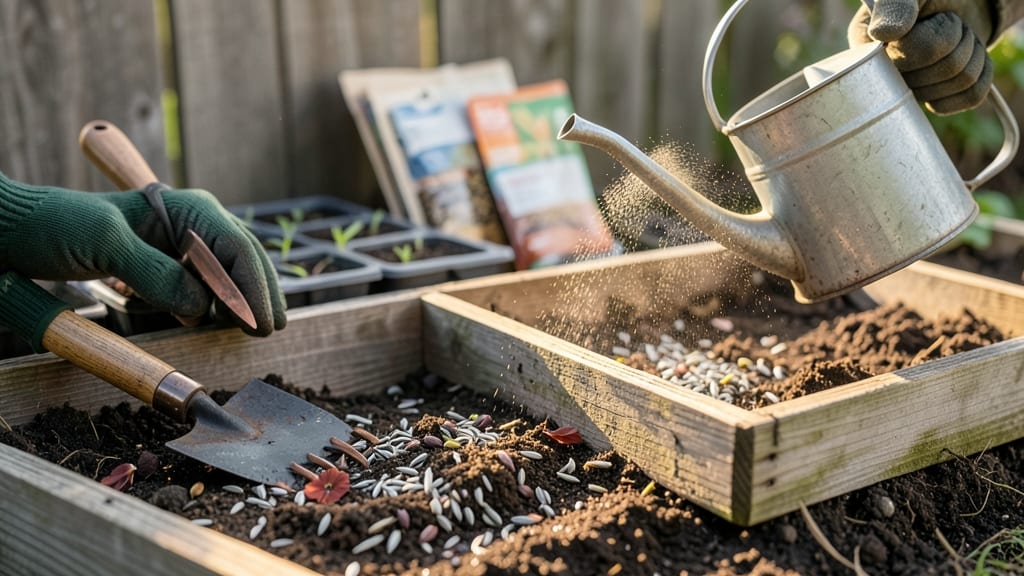
Wildflower seeds germinate in anywhere from 7 to 90+ days—depending on the species, soil, and your local climate. 🌼 That wide range can feel like a guessing game, especially when you’re eager to see those first sprouts push through the soil.
Picture this: You scatter your seeds in early spring, water them faithfully, and then… nothing. Weeks pass, and you start wondering if you even planted them right. The truth?
Some wildflowers, like cosmos, pop up in just 7–14 days, while others, like lupines, might take two months or more to break dormancy. Knowing the difference saves you from unnecessary worry—and wasted seeds.
Beyond the species, factors like temperature, moisture, and even the thickness of the seed coat play a huge role. A little prep—like scarifying hard-coated seeds or giving them a cold stratification trick—can cut weeks off your wait time.
Below, I’ll break down the exact timelines for fast, medium, and slow germinators, plus the simple tweaks that make all the difference.
Ready to turn your patience into a thriving wildflower meadow? Let’s get into the details so you can predict—and speed up—those first green shoots.


Wildflower seed germination times: exact days by fast, medium, and slow types
Understanding wildflower seed germination times transforms guesswork into a predictable gardening experience. Some varieties burst through soil in just 7 days, while others need 90+ days to show their first green shoots. These differences aren't random—they're tied to each plant's natural survival strategies and environmental needs.
Climate plays a starring role. Warm-season wildflowers like cosmos and marigolds sprout fastest in 60-75°F soil, while cool-season varieties such as bluebonnets prefer 50-60°F. Even humidity levels matter—dry climates can delay germination by 30% or more compared to moist regions.
Soil conditions also create dramatic differences. Loamy, well-draining soil speeds up germination by providing consistent moisture without suffocating seeds. Compacted or waterlogged soil can double expected germination times. And let's not forget seed coatings—many wildflowers have hard outer shells that require scarification or stratification to break dormancy.
Here's the key insight: Fast germinators (7-14 days) are your quick wins, while slow germinators (30-90+ days) demand more patience. Knowing which category your seeds fall into helps you plan watering schedules, manage weeds, and set realistic expectations for your meadow's timeline.
🌱
Let's dive deeper into these categories. Fast germinators like cosmos and zinnias are perfect for gardeners who want quick color payoffs. These seeds often sprout within 10 days when conditions are ideal, making them excellent choices for interplanting with slower varieties.
Their rapid growth also helps them outcompete weeds early in the season.
The medium germination group represents the sweet spot for most wildflower meadows. Plants like black-eyed susans and coneflowers typically appear between 2-4 weeks, giving you enough time to establish a dense ground cover before summer heat arrives.
This timing also aligns well with spring planting schedules in most USDA zones.
Now for the patience test: slow germinators like lupines and milkweed often require special treatment to break dormancy. Many have hard seed coats that need scarification (scratching) or stratification (cold treatment) before they'll sprout.
Some native grasses can take up to 6 months to germinate naturally, which is why many gardeners use pre-treated seeds or nursery starts for these varieties.
An often-overlooked factor is seed age. Fresh seeds from reputable suppliers typically germinate faster than old seed packets (3+ years). Always check the packaging date—seeds older than two years may have reduced viability, especially for slow germinators.
For best results, store seeds in a cool, dry place and use them within one year of purchase.
Remember that these are general guidelines. Your actual results may vary based on local microclimates, soil pH, and even moon phases (some gardeners swear by planting during the waxing moon for better germination). The key is to track your own results and adjust future planting plans accordingly.
For gardeners in dry climates, consider pre-sprouting seeds indoors before transplanting. This gives slow germinators a head start against summer heat and drought. Just be prepared for transplant shock—harden off seedlings gradually before moving them outdoors.
🌿
5 Proven tips to speed up wildflower seed germination time
If you’ve ever waited weeks—or even months for wildflower seeds to sprout, you’re not alone. The good news? Germination time isn’t set in stone. With a few simple tweaks, you can cut weeks off your wait and see those first green shoots faster than ever.
I’ve tested these methods in my own garden, and they work—whether you’re dealing with hard-coated lupines or slow-to-start coneflowers.
The key is understanding what wildflower seeds need to break dormancy. Some require a cold snap, others need their tough outer layer scratched, and a few just need consistent moisture.
Below, I’ll share my top 5 strategies—all of which you can do at home with basic supplies. No fancy equipment required!
- Fast Germinators (7–14 days): Cosmos, Zinnias, Sweet Alyssum
- Medium Germinators (15–30 days): Black-Eyed Susans, Coneflowers, Marigolds
- Slow Germinators (30–90+ days): Lupines, Poppies, Milkweed
Tip 1: Scarify Hard-Coated Seeds for instant access. Many wildflowers, like lupines and poppies, have tough outer shells that block water absorption. Rubbing the seeds gently with sandpaper or crushing them lightly with a hammer and nut (place seeds between two nuts and tap!) mimics natural wear from wind and rain. This trick can halve germination time for these stubborn seeds.
Tip 2: Use Cold Stratification to mimic winter conditions. Place seeds in a moist paper towel inside a sealed plastic bag, then refrigerate for 2–4 weeks. This process breaks dormancy for spring-blooming wildflowers like bluebonnets and foxgloves. Pro move: Label your bags with the seed type and stratification date to track progress.
Tip 3: Keep Soil Moist (But Not Soggy). Wildflower seeds need consistent moisture to germinate, but too much water can drown them. Aim for lightly damp soil—think of a wrung-out sponge. Use a spray bottle for delicate seeds or a gentle watering can with a fine rose. Mulch with straw or shredded leaves to retain moisture without suffocating sprouts.
Tip 4: Provide the Right Light Exposure. Most wildflowers need bright light to germinate, but some, like shade-loving violets, prefer indirect light. If starting indoors, place seeds under grow lights 12–14 hours a day. Outdoors, choose a sunny spot (6+ hours of light) and avoid burying seeds deeper than ¼ inch—they need light to trigger germination.
Tip 5: Control Soil Temperature. Wildflower seeds germinate best in 60–75°F soil. Use a soil thermometer to monitor temps—if it’s too cold (<50°F), cover the bed with black plastic or a cloche to warm the soil. For hot climates, shade the area with burlap or a shade cloth to prevent overheating, which can kill seeds before they sprout.
Putting these tips into action will transform your wildflower garden from a slow-to-emerge project into a quick, vibrant success. Start with one method—like scarifying your seeds or setting up a cold stratification station—and watch those germination times shrink.
Before you know it, you’ll have a blooming meadow instead of a blank canvas. 🌻