
Flowers
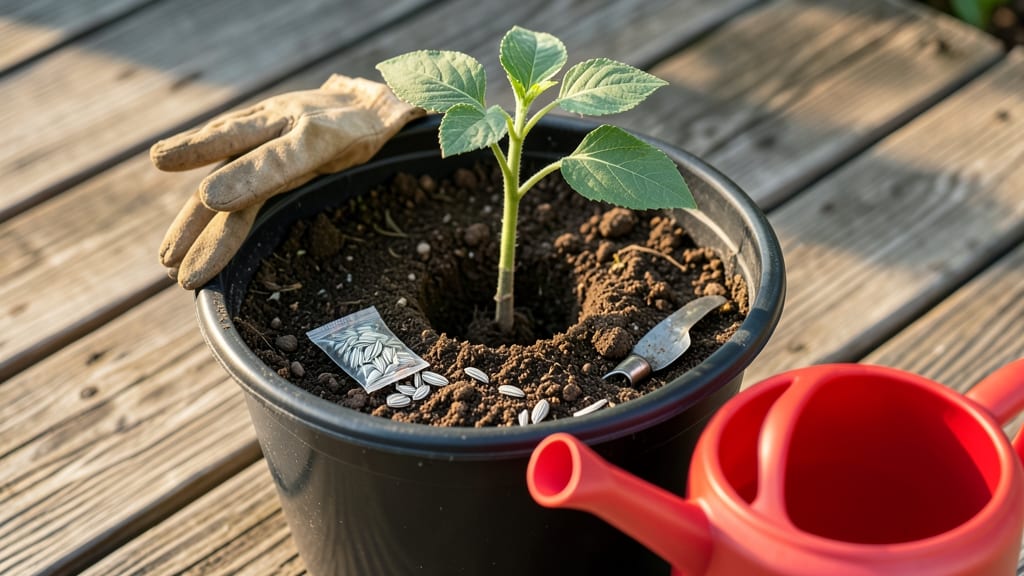
Plant sunflowers in Zone 9 between February and March to give them the best shot at towering heights and vibrant blooms before summer heat sets in.
If you’ve ever watched a sunflower 🌻 bolt into a leggy mess or wilt under the desert sun, you know timing is everything. Zone 9’s frost-free climate means you can plant year-round—but that doesn’t mean every month works.
Skip the scorching summer heat, and you’ll avoid stunted growth and sad, droopy petals.
This guide breaks down the exact months to sow seeds for maximum success, whether you’re growing giant varieties like ‘Moulin Rouge’ or compact ‘Teddy Bear’ types. We’ll also cover soil prep, watering tricks, and how to beat the heat so your sunflowers reach their full potential.
Ready to grow sunflowers that rival your neighbor’s? Here’s how to time it right for zero-frost, year-round blooms in Southern California, Arizona, or beyond.
Best planting months for sunflowers in Zone 9 (with frost-free guarantees)
Zone 9 gardeners have a year-round advantage for growing sunflowers—no frost means no waiting! But timing still matters to avoid heat stress or stunted growth. The ideal window shifts based on your sunflower type and local microclimate, whether you're in coastal Southern California or desert Arizona.
For giant varieties like 'Moulin Rouge', aim for February-March planting to let them mature before summer's peak heat. Dwarf varieties like 'Teddy Bear' can handle spring or fall sowing, while wild-type sunflowers thrive with late summer plantings. The key is avoiding 90°F+ soil temps during germination.
| Variety Type | Best Planting Window | Soil Prep Month | Heat Risk Level | Microclimate Notes |
|---|---|---|---|---|
| Giant (e.g., 'Moulin Rouge') | February-March | January-February | High (bolt risk) | Coastal areas: extend to April; deserts: plant by February. |
| Dwarf (e.g., 'Teddy Bear') | March-April or September-October | February or August | Medium (heat-tolerant) | Fall plantings avoid summer heat entirely. |
| Wild-Type (e.g., 'Autumn Beauty') | July-August | June-July | Low (drought-adapted) | Desert areas: use shade cloth if temps exceed 100°F. |
| All Varieties | Year-round possible | Anytime (with prep) | Variable | Use mulch to moderate soil temps in extreme climates. |
Your local microclimate plays a bigger role than frost dates in Zone 9. Coastal areas like San Diego can plant up to May thanks to ocean breezes, while Phoenix desert gardens should finish soil prep by February to avoid 110°F+ soil during germination.
Test soil temps with a thermometer—ideal germination range is 60-75°F.
For soil preparation, focus on drainage and nutrient-rich beds 4-6 weeks before planting. Zone 9 soils often compact from summer heat, so amend with compost or coconut coir to improve aeration. Ph levels between 6.0-7.0 are perfect—test your soil if you notice yellowing leaves after planting.
One common mistake in Zone 9 is overwatering during germination. Sunflower seeds rot at 80°F+ soil temps if kept too wet. Water only when the top inch of soil feels dry, and use drip irrigation to keep foliage dry—this prevents powdery mildew, a frequent issue in humid coastal areas.
If you're growing sunflowers for seeds, time your planting to ensure full maturity before monsoon season (July-September in desert zones). Giant varieties need 100+ days to produce viable seeds, so February plantings are ideal for Southern Arizona, while March plantings work better in Southern California.
For container growing, use large pots (12"+ diameter) and plant in late winter to give roots time to establish before summer heat. Dwarf varieties like 'Teddy Bear' thrive in containers, while giants need deep soil volumes—consider fabric grow bags for better drainage in urban spaces.
Remember: shade cloth (30-50%) can extend your planting window by 2-3 weeks in desert areas. Use it during germination if daytime temps exceed 95°F. This simple trick lets you plant through April in Palm Springs without risking bolting.
My personal recommendation for Zone 9 gardeners? Start with dwarf varieties in March for quick blooms, then try giant varieties in February for that classic sunflower experience. And always keep a small test batch planted in September—fall plantings often surprise with vibrant late-season blooms
How to adjust sunflower planting for Zone 9’s extreme heat (avoid wilting before blooming)
Zone 9’s scorching summers can turn sunflowers 🌻 into sad, wilted stalks before they even bloom. The key to success? Adjusting your planting strategy to beat the heat. Unlike cooler climates, sunflowers here need strategic timing and heat management to thrive.
Planting in the wrong season means bolting (premature flowering) or stunted growth—neither of which you want when aiming for those 10-foot giants.
If you’ve ever planted sunflowers in June or July, you’ve likely seen them bolt within weeks, producing tiny, weak blooms. That’s because sunflowers are cool-season plants at heart, even though they love full sun.
The trick is to give them a head start in cooler months while still taking advantage of Zone 9’s long growing season. Here’s how to do it right.
Sunflowers planted between June and August in Zone 9 will bolt prematurely due to extreme heat. This means:
- ✖️ Stunted growth (plants may only reach 3-4 feet instead of 10+ feet)
- ✖️ Small, weak blooms (instead of vibrant, showy flowers)
- ✖️ Seed production fails (if growing for birdseed or oil)
Solution: Plant in February-March for fall blooms or August-September for spring blooms. Use shade cloth if planting in late spring.
For maximum height and bloom size, focus on planting in late winter or early spring (February-March). This gives sunflowers time to establish roots before temperatures climb above 90°F.
If you’re growing dwarf varieties like ‘Teddy Bear,’ you can push planting to April or even early May, but giant varieties need that cooler start.
One of my favorite tricks to extend the growing season is using shade cloth (30-50% coverage) over young seedlings during peak afternoon heat (12 PM–4 PM). This mimics the cooler conditions sunflowers prefer while still allowing plenty of sunlight.
You can also try morning vs. evening planting: seeds sown in the morning germinate faster because the soil stays cooler longer. Evening planting risks heat stress before germination.
Mulching is another game-changer in Zone 9. Apply a 3-inch layer of organic mulch (straw or wood chips) around the base of your sunflowers to:
- ✔️ Retain soil moisture (critical in 100°F+ heat)
- ✔️ Regulate soil temperature (keeps roots cooler)
- ✔️ Suppress weeds (competes for water and nutrients)
Watering schedules in Zone 9 require precision. Deep watering every 2-3 days (1-2 inches of water per session) is better than daily shallow watering. Always water in the early morning (before 8 AM) to:
- ✔️ Prevent fungal diseases (like powdery mildew)
- ✔️ Reduce evaporation (soil stays moist longer)
- ✔️ Avoid wetting foliage (which attracts pests)
Finally, pair your sunflowers with companion plants that thrive in heat and improve soil health. Try:
- 🌿 Basil (repels pests and improves flavor if you harvest seeds)
- 🌱 Marigolds (deter nematodes and attract pollinators)
- 🪴 Beans or peas (fix nitrogen in the soil)
With these adjustments, your sunflowers will bolt on schedule, reach their full height, and produce vibrant blooms—even in Zone 9’s extreme heat. 🌻