
How To
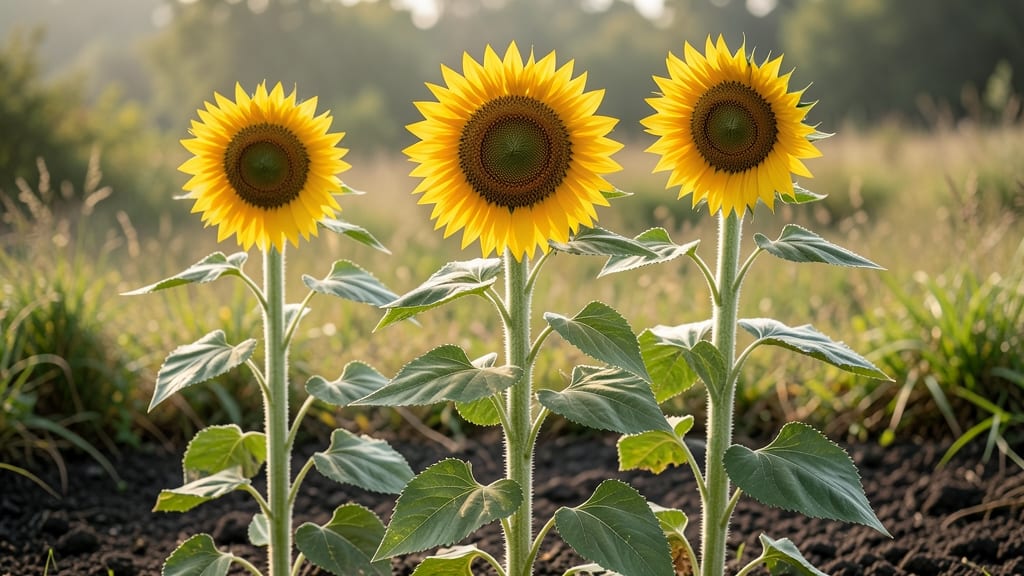
Sunflowers can grow anywhere from 1 foot to a jaw-dropping 16 feet tall, depending on the variety you choose — and yes, those towering giants are real.
Picture this: a 🌻 sunflower standing taller than you, its golden bloom reaching for the sky like a natural skyscraper. But before you plant, knowing how tall your sunflower will grow is key to planning your garden layout and avoiding surprises.
Dwarf varieties stay compact, perfect for small spaces, while standard types hit 6-8 feet, and the giants? They can stretch 10-16 feet with the right conditions. The difference often comes down to genetics, sunlight, and soil quality — all factors you can influence.
In this guide, I’ll break down the height ranges of popular sunflower types, the secrets to encouraging taller growth, and how to support those 10-foot behemoths without them toppling over. Let’s get growing!

Sunflower height variations: from dwarf to towering giants
Sunflowers are nature’s skyscrapers, offering a stunning range of heights that can transform your garden into a sunlit masterpiece. Whether you dream of dwarf varieties perfect for containers or giant sunflowers reaching record-breaking heights, understanding these variations helps you choose the right plants for your space and vision.
The height of a sunflower depends entirely on its variety. Some stay compact at just a few feet, while others stretch toward the sky like architectural marvels. This diversity means you can grow sunflowers in small urban gardens, large fields, or even as dramatic focal points in your landscape.
Here’s a quick guide to sunflower height ranges, from petite dwarf varieties to towering giant cultivars, along with their ideal uses and care tips.
If you’re growing dwarf sunflowers, varieties like 'Teddy Bear' or 'Moulin Rouge' are perfect for small spaces. These stay between 1-3 feet tall and bloom quickly, making them ideal for children’s gardens or container plantings. Their compact size also means they’re less prone to wind damage or needing support.
For a classic garden look, standard sunflowers (4-6 feet) like 'Autumn Beauty' or 'ProCut' strike the perfect balance. These varieties are versatile—great for cut flower arrangements or as pollinator magnets. Their height makes them perfect for adding vertical interest to borders or mixed flower beds without overwhelming smaller plants.
When aiming for semi-dwarf varieties (6-8 feet), consider 'Russian Giant' or 'Mammoth'. These sunflowers offer a taller silhouette while still being manageable in most home gardens. Their sturdy stems handle wind better than giants, but they still need occasional staking in exposed areas to prevent leaning.
For the ultimate statement, giant sunflowers like 'American Giant' or 'Mammoth' can reach 10-16 feet tall. These are the sunflowers you’ve seen in agricultural fields or record-breaking displays. They require rich, well-draining soil, plenty of space, and often support stakes or cages to keep them upright.
Their sheer size makes them a conversation piece, but they’re best suited for large gardens or events.
One surprising fact about sunflower heights is that genetics play the biggest role. Even with perfect care, a dwarf variety won’t grow taller than its genetic limit.
However, providing full sun, regular watering, and nutrient-rich soil can help your sunflowers reach their full potential within their variety’s range.
If you’re curious about growing sunflowers for competitive heights, focus on varieties like 'Russian Giant' or 'Mammoth'. These are bred specifically for height and can surpass 12 feet with ideal conditions. Just be prepared for the space and support they’ll need to thrive!
Whether you choose a dwarf, standard, or giant sunflower, each brings its own charm to your garden. The key is selecting the right variety for your space and goals—whether that’s a whimsical container display or a sky-scraping centerpiece.
Factors that influence sunflower height growth
Sunflowers are nature's skyscrapers, but their towering heights aren't accidental. The genetic variety you choose sets the foundation, but environmental factors like sunlight, soil, and water can push them even higher—or hold them back. Even the most dramatic giant sunflower varieties need the right conditions to reach their full potential.
Think of your sunflower's growth like a construction project: the blueprint (genetics) determines the maximum height, but the materials (soil, water) and work conditions (sunlight, temperature) determine how close you'll get to that vision.
Let's break down the critical elements that turn a 10-foot sunflower into a 16-foot giant—or keep it stunted at just 3 feet.
- 1 Genetic Variety: The most critical factor—dwarf varieties max out at 3 feet, while giant types like 'Mammoth' can reach 14-16 feet with ideal conditions. Choose your variety based on your space and goals.
- 2 Sunlight Exposure: Sunflowers thrive on 6-8+ hours of direct sunlight daily. Partial shade can reduce height by 30-50%, while full sun maximizes growth potential. South-facing locations are ideal in the Northern Hemisphere.
- 3 Soil Quality & Nutrition: Well-draining, fertile soil with a pH of 6.0-7.5 fuels growth. Add compost or balanced fertilizer (10-10-10) at planting and mid-season to support stem strength and flower development.
- 4 Watering Schedule: Deep, consistent watering (1-2 inches per week) prevents stem weakness. Drought stress can stunt growth by 40%+, while overwatering causes root rot. Water at the base in the morning to reduce evaporation.
- 5 Temperature & Spacing: Ideal temperatures are 70-85°F. Cooler nights slow growth, while crowded plants compete for nutrients, reducing height. Space giant varieties 2-3 feet apart for optimal air circulation and stem support.
Even with perfect conditions, some sunflowers will naturally stay shorter due to their genetic limits. For example, the 'Teddy Bear' variety tops out at 3-4 feet, no matter how much sun or water it gets.
But if you're growing a 'Russian Giant', those extra inches of sunlight and a sturdy trellis can make the difference between 12 feet and 16 feet.
Pro tip: Monitor your sunflowers' stem strength early on. If you notice weak, leggy growth, add a support stake or cage at the 3-4 foot mark to prevent toppling. This simple step can help giant varieties reach their full height potential without snapping under their own weight. 🌻
Remember, the soil's nutrient balance plays a hidden but crucial role. A phosphorus-rich soil (the middle number in NPK) encourages root and flower development, while potassium (the last number) strengthens stems.
A quick soil test before planting can reveal if your garden needs a phosphorus boost to support those sky-high ambitions. 💧