
Flowers
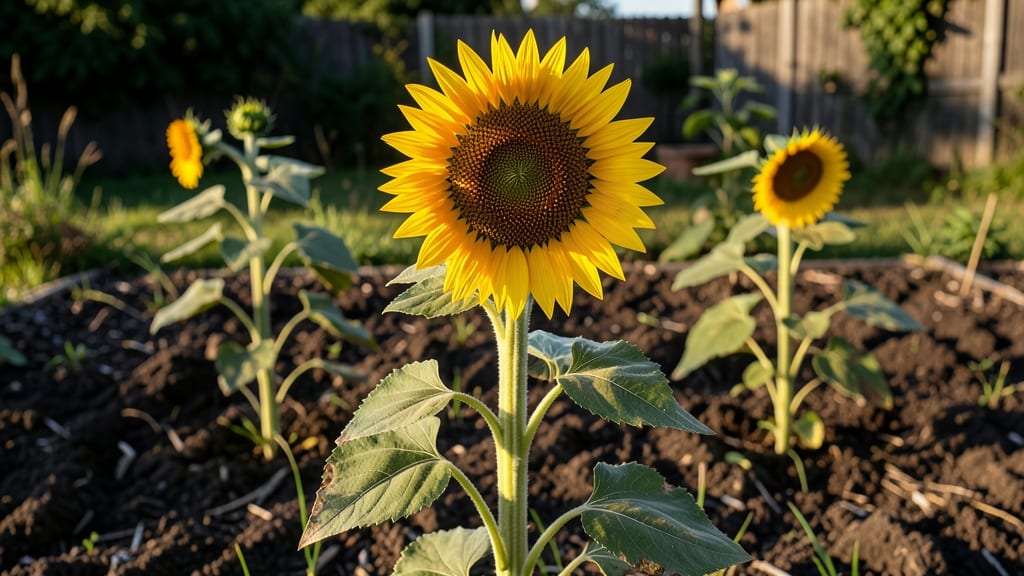
Sunflowers can grow anywhere from 3 feet to towering 16 feet tall, depending on the variety and care you provide — and yes, that includes some that dwarf basketball players and others that reach the height of a two-story house!
Picture this: you plant a seed in spring, and by summer, you’re staring up at a giant 🌻 that blocks the sun. But not all sunflowers grow that way. Some stay compact, perfect for small gardens, while others stretch toward the sky like nature’s skyscrapers.
The difference? It’s all in the genetics, soil, and how much love you give them.
If you’ve ever wondered why your sunflowers maxed out at 5 feet while your neighbor’s reached the clouds, the answer lies in the variety you chose and the growing conditions. Some need rich soil and full sun to hit their potential, while others thrive with minimal fuss.
Below, I’ll break down the height ranges of popular types and share the secrets to growing sunflowers that match your vision — whether that’s a cute border or a backyard skyline.
Ready to turn your garden into a sunflower wonderland? You’ll learn how to pick the right variety, tweak your care routine, and even coax those towering giants to stand tall without toppling over. Let’s get growing!

Sunflower height variations: dwarf to giant varieties explained
Sunflowers come in a stunning range of heights, from compact dwarf varieties perfect for containers to towering giant sunflowers that can reach the sky. The height difference isn't just about aesthetics—it’s determined by genetics, growing conditions, and care.
Whether you're designing a small urban garden or dreaming of sunflowers taller than your house, understanding these variations helps you choose the right variety for your space and goals.
Most sunflower heights fall between 3 and 15 feet, but some experimental varieties can even exceed 16 feet! The key to their growth lies in their stem length genes, which are passed down from parent plants.
For example, Russian Mammoth sunflowers are famous for their towering stature, while Teddy Bear varieties stay short and bushy. Let’s explore how these differences play out in real gardens.
Here’s a quick visual guide to sunflower height ranges, so you can picture which varieties might fit your garden best. From 1-foot dwarfs to 16-foot giants, each type has its own charm and practical uses—whether you’re growing for cut flowers, birdseed, or simply summer joy.
| Variety Type | Height Range | Best For | Popular Examples |
|---|---|---|---|
| Dwarf | 1–3 ft | Containers, borders, small gardens | Teddy Bear, Little Becka, Moulin Rouge |
| Semi-Dwarf | 3–6 ft | Cut flowers, pollinator gardens, mid-sized spaces | Autumn Beauty, ProCut, Sunspot |
| Standard | 6–10 ft | Cut arrangements, birdseed, privacy screens | Moulin Rouge, Russian Giant, Serenity |
| Giant | 10–16+ ft | Landmark gardens, events, dramatic displays | Russian Mammoth, Mammoth Russian, Giant Sunflower |
If you’re growing sunflowers for cut flowers, semi-dwarf varieties like Autumn Beauty are ideal—they’re tall enough for bouquets but not so massive they topple over. For urban gardens or patios, dwarf varieties like Teddy Bear thrive in containers and add color without taking up space.
Meanwhile, giant sunflowers like Russian Mammoth are perfect for creating a showstopping focal point in large gardens or community spaces.
The height of your sunflowers also depends on their growth stages. Seedlings start small, but within 6–8 weeks, they can shoot up several feet per week during their rapid growth phase.
For example, a 3-foot dwarf might reach maturity in 70 days, while a 12-foot giant could take 100+ days to fully develop. This is why timing your planting is crucial—especially if you’re in a shorter growing season.
One common misconception is that all sunflowers grow equally tall under the same conditions. In reality, genetics play a dominant role, but soil fertility and water availability can push a plant to its potential—or hold it back.
For instance, a Russian Mammoth might only reach 8 feet in poor soil, while the same variety could hit 14 feet with rich, well-drained soil and consistent watering. This is why amending your soil with compost or a balanced fertilizer can make a noticeable difference.
For gardeners with limited space, dwarf sunflowers are a game-changer. Varieties like Little Becka stay under 2 feet tall but produce 12-inch blooms, making them perfect for window boxes or balcony gardens.
These compact varieties also have the added benefit of being less prone to wind damage, which can snap taller stems. If you’ve ever watched a 10-foot sunflower topple in a breeze, you’ll appreciate the stability of a shorter variety!
On the opposite end of the spectrum, giant sunflowers are a labor of love. They require sturdy stakes or cages to support their weight, especially in windy areas. These varieties are often grown for world records—the tallest sunflower ever recorded reached 16.5 feet!
If you’re aiming for a record-breaking bloom, choose a heirloom giant variety like Mammoth Russian and give it plenty of room to spread its roots and grow.
Choosing the right sunflower height for your garden isn’t just about aesthetics—it’s about practicality. For example, if you’re growing sunflowers for birdseed, taller varieties yield more seeds
Factors that influence sunflower height: sun, soil, and care
Sunflowers thrive on sunlight, but not all varieties need the same amount to reach their full height potential. Giant varieties like 'Mammoth' or 'Russian Giant' require full sun exposure (6-8+ hours daily) to grow their signature towering heights of 10-16 feet.
Without enough light, even these giants will stay stunted at 6-8 feet. Dwarf varieties, on the other hand, can handle slightly less sun (4-6 hours) while still reaching 1-3 feet tall.
The soil you plant in makes a dramatic difference too. Sunflowers are heavy feeders, especially when it comes to phosphorus and potassium. These nutrients fuel root development and stem strength, which directly impacts how tall your plants grow.
A soil test before planting can reveal if you need to amend with compost or a balanced fertilizer like 10-10-10. Poor soil quality can reduce height by 30-50% in some cases.
Watering plays a critical role too. While sunflowers are drought-tolerant once established, consistent moisture during their first 6-8 weeks is essential for strong stem development.
Deep watering 2-3 times per week (rather than frequent shallow watering) encourages deep root growth, which supports taller plants. Underwatering can cause stems to weaken, leading to shorter, spindly growth.
Common Mistakes That Stunt Sunflower Growth
Overcrowding plants by less than 12 inches apart forces them to compete for nutrients, reducing height by up to 40%. Nutrient deficiencies, especially low phosphorus, can cause stems to stay short and weak. Late pruning (after flowering) removes growth energy, while poor drainage leads to root rot and stunted growth.
Pruning strategies can also influence height, but timing is everything. Early pruning (removing side buds when plants are young) directs energy upward, potentially adding 1-2 feet to giant varieties.
However, prune too late, and you'll sacrifice flower production. Support stakes are another game-changer for tall varieties—they prevent wind damage and allow stems to grow straighter, reaching their full genetic potential.
Even the planting depth affects height. Seeds planted too deep (more than 1.5 inches) may produce shorter stems because they struggle to reach the surface.
Aim for 1 inch deep in well-drained soil for optimal stem development. Cold soil temperatures below 50°F can also slow early growth, so wait until after your last frost date to plant.
Finally, remember that genetics set the baseline, but environment and care determine how close your sunflowers get to that potential.
With the right balance of sunlight, nutrients, water, and spacing, you can coax even dwarf varieties to grow taller than expected—while giant varieties will reach for the sky like never before.