
Blooming
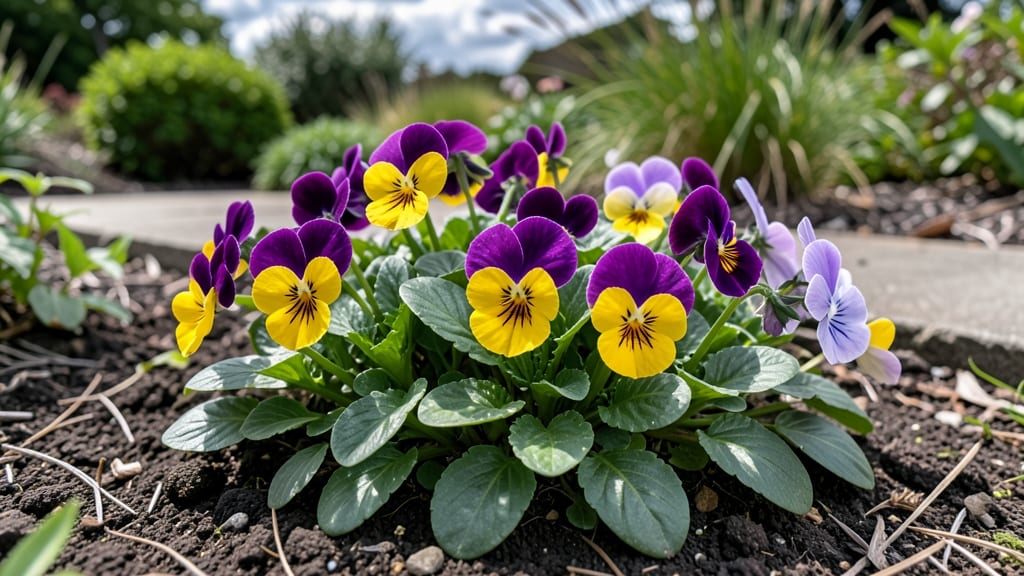
The pansy flowering season in spring and fall delivers bright color when many gardens lie dormant, but their exact timing depends on your climate zone.
Picture this: frost-kissed blooms in January or late-summer cheer when marigolds fade. That’s the magic of pansies—year-round potential if you plant at the right time. But get the timing wrong, and you’ll miss their vibrant displays entirely.
In USDA Zone 6a, like where I garden, pansies typically burst into color from March through May and again in September-October. Warmer zones stretch their season even further, while colder areas may need frost-tolerant varieties to survive winter blooms.
Here’s how to align your planting with their natural rhythm—plus pro tips to extend those cheerful faces for months longer than usual.
Pansy flowering months by USDA climate zones: a seasonal breakdown
Pansies thrive across USDA Zones 3-10, but their flowering windows shift dramatically depending on your climate. In cold zones (3-5), they burst into bloom as soon as snow melts, while warmer zones (8-10) enjoy near-year-round color.
The key? Understanding your zone’s frost dates and selecting varieties bred for your climate’s extremes.
For example, ‘Ice King’ pansies in Zone 4 can handle -25°F winters, reblooming as soon as temperatures rise above 40°F. Meanwhile, ‘Major’ series in Zone 9 tolerate 90°F+ heat and bloom continuously with minimal rest.
Let’s break down the exact months for each zone’s early, peak, and late-season blooms.
In Zones 3-4, pansies are winter survivors—they often bloom as soon as soil thaws, with a second flush in fall before frost. Plant ‘Ice King’ in early spring or late summer for two seasons of color.
The trade-off? Their blooms may fade faster in summer heat, so provide afternoon shade to extend their season.
Zone 5-6 gardeners get the best of both worlds: spring and fall blooms with minimal summer dormancy. For continuous color, plant ‘Cool Wave’ pansies in early spring and ‘Matrix’ series in late summer.
These varieties handle light frosts and rebound quickly after heatwaves, making them ideal for container gardens or window boxes.
Southern zones (7-10) offer year-round potential with the right varieties. In Zone 7, pansies often rebloom in winter after a light frost, creating holiday-season magic.
For Zone 8-10, heat-tolerant ‘Major’ and ‘Rocket’ series thrive in full sun and bloom even in summer, though they may need extra water to prevent wilting.
Pro tip: In Zone 9-10, succession plant every 6-8 weeks to avoid bloom gaps. Start with ‘Sensation’ pansies in winter, then transition to ‘Major’ series as temperatures rise. This staggered approach ensures nonstop color from January to December.
Regional quirks matter too! In Pacific Northwest (Zone 7-8), cool, damp summers delay blooming until late May, while Midwest Zone 5 pansies often bloom 2-3 weeks earlier due to warmer springs. Always check your local frost dates and adjust planting times accordingly.
For
How to extend pansy blooms: pro tips for longer flowering seasons
Want pansies blooming from early spring through fall frost? It’s all about timing and care. I’ve learned that deadheading and succession planting can stretch their season by 4-6 weeks—or even longer in mild climates.
The key is to mimic their natural rhythm while giving them a little extra love.
Start with soil temperature. Pansies thrive when soil stays between 50-75°F. If your zone gets too hot (like Zone 9+), they’ll bolt. Mulch with straw or shredded leaves to keep roots cool.
In colder areas (Zone 5 or below), use row covers to protect winter blooms.
🌸 5 Pro Tips to Extend Pansy Blooms
- Deadhead daily—snip spent blooms above the next leaf node to encourage new flowers. I use clean pruners to avoid disease.
- Succession plant every 3-4 weeks for continuous color. Stagger spring and fall plantings by 4-week intervals.
- Pair with snapdragons—their vertical structure shields pansies from harsh winds, reducing stress.
- Fertilize lightly every 4-6 weeks with 5-10-10 (low nitrogen) to boost blooms, not leaves.
- Water at soil level—avoid wetting foliage to prevent powdery mildew, a common pansy killer.
For a bloom calendar, plant your first batch 6-8 weeks before your last frost date. Then, add new plants every 3-4 weeks until mid-summer. In Zone 7-10, you can even plant a final batch in early September for winter color.
Don’t forget companion planting! Calendula and sweet alyssum deter pests while adding contrast. I’ve seen pansies paired with violas create a non-stop bloom show from March to November in my Zone 7a garden.
Watch for heat stress in summer. If pansies look leggy or pale, move containers to partial shade and increase watering. In Zone 8+, shade cloth (30-50%) can extend blooms by 2-3 weeks.
With these tricks, my pansy season now spans 8 months instead of the usual 4-6. The secret? Consistency—deadhead, feed, and protect. Your garden will thank you with endless color! 🌿