
Flowers
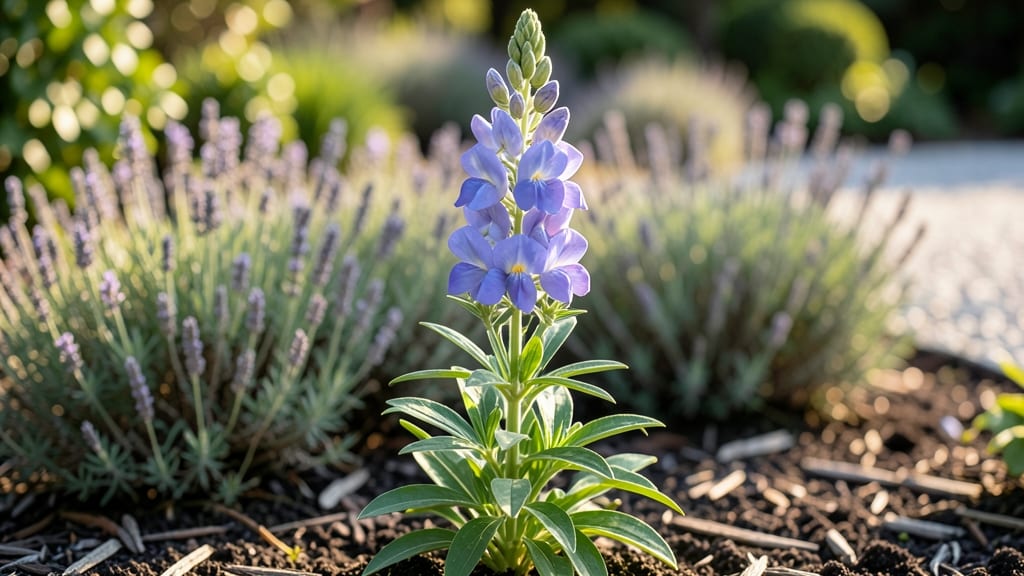
Snapdragon flower height varies dramatically from 8-inch dwarfs to towering 4-foot giants, giving you endless ways to shape your garden’s vertical drama.
Picture this: delicate 🌸 snapdragons spilling over a windowsill in a tiny pot, or bold blooms reaching your shoulders in a cottage garden border. The difference isn’t just aesthetics—it’s about how you space, stake, and even prune these plants to avoid flopping stems or wasted space.
Whether you’re working with USDA Zone 6a beds or container gardens, knowing the exact height ranges of dwarf, standard, and giant varieties lets you mix them like a pro.
Too tall? Pruning and staking can bring them down to size. Too short? The right variety can add instant height without crowding other plants.
In this guide, I’ll break down the height expectations for each type, share my top tips for controlling growth, and show you how to use snapdragons—no matter their size—to create eye-catching displays that last all summer.

Snapdragon height comparison: dwarf vs standard vs giant varieties
Choosing the right snapdragon height can transform your garden from cluttered to curated. Dwarf varieties pack big blooms into small spaces, while giants create dramatic vertical accents. But how do these heights translate into real-world spacing? Let’s explore the exact ranges and what they mean for your garden design.
For dwarf snapdragons, expect mature heights between 12-18 inches—perfect for window boxes, fairy gardens, or container arrangements. These compact plants thrive when spaced 8-12 inches apart, making them ideal for urban balconies or small patios where space is limited.
Standard snapdragons reach 24-36 inches at maturity, striking the perfect balance for border plantings, mixed flower beds, or as a backdrop for shorter annuals. Their medium height allows them to peek over garden edges while still being manageable for deadheading and maintenance.
When it comes to giant snapdragons, you’re looking at 36-48+ inches of vertical drama. These towering varieties need 18-24 inches of spacing to avoid overcrowding and support staking for windy locations. They excel in cottage gardens, as cut flowers, or as focal points in perennial borders.
Here’s a quick reference to visualize how these heights compare in your garden:
Proper spacing between snapdragons is critical—crowding leads to poor airflow, increasing the risk of powdery mildew and weak stems. For dwarf varieties, think of them like tiny soldiers standing shoulder-to-shoulder, while giants need room to stretch their legs like graceful ballerinas.
In container gardens, dwarf snapdragons shine in 8-10 inch pots, while standard varieties need 12-14 inch containers. Giant snapdragons often require 14+ inch pots or ground planting to support their height. Always use well-draining soil and add a time-release fertilizer to encourage strong stems.
For cut flower arrangements, standard and giant snapdragons excel—their height creates stunning vertical lines. Cut stems early in the morning when buds are just opening for maximum vase life. Remove lower leaves to prevent bacterial growth in water.
Remember, snapdragon height isn’t set in stone—proper care can influence growth. Provide full sun (6+ hours daily), consistent moisture, and occasional deadheading to encourage continuous blooms. With the right variety and spacing, you’ll have snapdragons that perfectly frame your garden vision.
Best snapdragon varieties by height for different garden spaces
When planning your garden, the right snapdragon height can transform a simple border into a dramatic focal point. Dwarf varieties spill beautifully over container edges, while tall types create stunning backdrop displays.
I’ve grown these varieties for years, and the difference in performance—especially in USDA Zone 6a—is remarkable.
The key is matching the variety to your space. Compact gardens thrive with 8-12 inch dwarfs, while cut flower arrangements often feature 36-48 inch giants. Let’s explore my top picks for each height category, plus design tips to make the most of their vertical potential.
🌱 Snapdragon Height Guide by Variety
-
Dwarf Varieties (8-12 inches) – Perfect for containers, window boxes, and front-of-border planting.
- Matrix Series – 'Matrix Cherry' (9 in), 'Matrix Salmon' (10 in)
- Tiny Tower – Compact blooms, great for fairy gardens
- Tom Thumb – Classic dwarf with heat tolerance
-
Standard Varieties (24-36 inches) – Ideal for mid-border planting, cut flowers, and mixed borders.
- Rocket Series – 'Rocket Cherry' (30 in), 'Rocket White' (32 in)
- Black Prince – Dark velvety blooms, drought-resistant
- Cupcake Series – Compact standards (28 in), great for small-space gardens
-
Giant Varieties (36-48+ inches) – Stunning for backdrop planting, cut arrangements, and tall borders.
- Monarch Series – 'Monarch Pink' (42 in), 'Monarch Red' (45 in)
- Giant Flash – Bold colors, long-lasting blooms
- Titan Series – 'Titan Purple' (48 in), perfect for tall containers
For container gardens, I recommend the Matrix series or Tiny Tower—their compact size prevents flopping in pots. Place them in well-draining soil with morning sunlight to keep stems sturdy. In border designs, mix standards like Rocket behind dwarfs like Tom Thumb for layered texture.
If you’re growing for cut flowers, the Monarch and Titan series deliver the longest stems. Harvest in the early morning when buds are just opening for maximum vase life. A little deadheading encourages continuous blooms, especially in hot summer months.
Pro tip: Use stakes or cages for taller varieties to prevent wind damage. I’ve seen 4-foot snapdragons lean dramatically without support! For small spaces, try the Cupcake series—they’re almost as tall as standards but with a more compact habit.
No matter which height you choose, snapdragons add vertical interest and season-long color. Start with 3-5 plants of each variety to see what thrives best in your garden’s microclimate. Happy planting! 🌷