
Plants
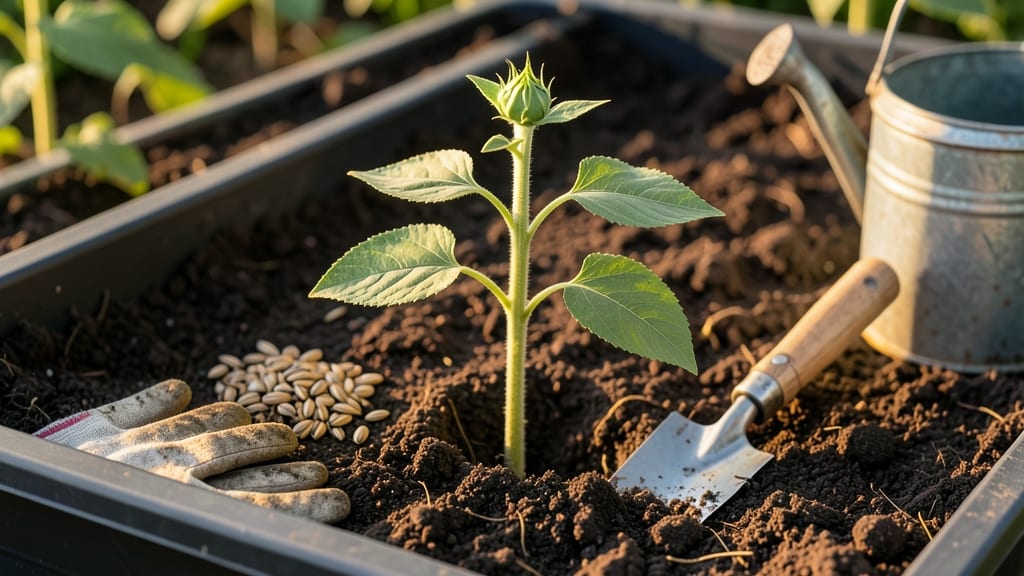
Plant sunflower seeds in Michigan after the last spring frost, typically between mid-May and early June 🌻 — timing that keeps your tall, cheerful blooms from turning into frost casualties.
Michigan gardeners know timing is everything—plant too early, and frost will kill them; too late, and you’ll miss the summer blooms. The key? Aligning your planting with Michigan’s last spring frost dates to ensure vibrant sunflowers that thrive from Detroit to Traverse City.
Most Michigan regions see their last frost between April 15 and May 15, but waiting 2–4 weeks after that date gives seeds the warm soil they need to sprout reliably.
This window also avoids the risk of late frosts, which can still sneak in as late as June in the Upper Peninsula.
Below, I’ll break down the exact frost-free timelines by region, the best sunflower varieties for Michigan’s short season, and the 3-step planting process that guarantees strong, healthy stems ready for summer’s peak blooms.
Michigan’s last spring frost dates: the critical window for sunflower seed planting
Sunflowers are one of the easiest and most rewarding plants to grow in Michigan, but their success hinges on timing. Planting too early risks frost damage, while waiting too long may leave you with stunted plants or no blooms at all.
Michigan’s last spring frost dates vary dramatically—from mid-April in southern regions to late May in the Upper Peninsula—making local knowledge essential for sunflower seed planting.
The USDA hardiness zones in Michigan range from 4a to 6b, with southern counties like Wayne and Monroe typically experiencing their last frost by April 15-20, while northern areas like Marquette or Sault Ste. Marie often wait until May 20-30.
These dates create a critical planting window of mid-May to early June for most gardeners, ensuring your sunflowers have enough time to mature before Michigan’s first fall frosts arrive in September or October.
To simplify planning, I’ve broken down Michigan’s frost-free zones into three key regions: Southern Michigan (zones 5b-6b), Central Michigan (zones 5a-5b), and the Upper Peninsula (zones 4a-4b). Each region has distinct frost patterns that directly impact when you should plant your sunflower seeds.
Here’s a quick reference to help you visualize the ideal planting windows based on your location:
| Region | USDA Zone | Last Frost Date | Ideal Planting Window | Notes |
|---|---|---|---|---|
| Southern Michigan | 5b-6b | April 15-20 | May 1-15 | Early bloomers; watch for late frosts |
| Central Michigan | 5a-5b | May 1-10 | May 15-30 | Moderate risk; plant after May 15 for safety |
| Upper Peninsula | 4a-4b | May 20-30 | June 1-15 | Short season; choose fast-maturing varieties |
If you’re in Southern Michigan, you can start planting sunflower seeds as early as May 1, but always be ready to cover young seedlings with frost cloth if temperatures dip below 40°F.
In Central Michigan, wait until May 15 to ensure your seeds aren’t caught by late frosts, which can still occur in early June. For Upper Peninsula gardeners, patience is key—planting after June 1 gives your sunflowers the best chance to mature before fall frosts arrive.
Another critical factor is soil temperature. Sunflower seeds germinate best when soil reaches at least 55°F. In cooler regions like the Upper Peninsula, this might not happen until late May or early June.
Use a soil thermometer to check—if temperatures are below 55°F, wait a few more days or consider using a black plastic mulch to warm the soil faster.
For gardeners in zone 6b (like Detroit or Ann Arbor), you might even squeeze in a second planting of fast-maturing varieties in early July for late-summer blooms. However, avoid planting after July 15, as sunflowers need 80-120 days to mature, and fall frosts will cut their growth short.
Pro tip: Check your local Michigan State University Extension frost date maps for the most up-to-date information. These maps are updated annually and account for microclimates that can shift frost dates by weeks in some areas.
For example, urban heat islands in cities like Grand Rapids or Lansing may experience later last frosts than surrounding rural areas.
Once you’ve nailed down your planting window, focus on sun exposure and well-draining soil. Sunflowers need full sun (6+ hours daily) and can tolerate poor soil, but they’ll reward you with taller stems and bigger blooms if you amend the soil with compost before planting.
With the right timing, your sunflowers will reach their full potential—adding height, color, and pollinator-friendly blooms to your Michigan garden.
🌻
Step-by-Step guide: how to plant sunflower seeds in Michigan’s climate
Michigan’s clay-heavy or sandy soils demand special prep before planting sunflower seeds. Start by testing your soil’s drainage—sunflowers hate soggy roots but need moisture to grow tall. Amend clay soil with compost or sand, while sandy soil benefits from organic matter like peat moss or aged manure.
Aim for a pH between 6.0 and 7.0, ideal for sunflower growth.
Choose between direct sowing (best for Michigan’s short season) or indoor starts (if you’re eager to get a head start). Direct sowing is simpler and avoids transplant shock, while indoor starts give you a 2-week advantage in the growing season.
For Michigan’s climate, I recommend direct sowing unless you’re in the Upper Peninsula, where cooler soils may delay germination.
🌱 Step-by-Step Planting Guide for Michigan
- 📅 Step 1: Wait for Warm Soil – Plant after soil reaches 55°F (13°C), typically mid-May to early June in most of Michigan. Use a soil thermometer to check depth.
- 🌱 Step 2: Prepare the Bed – Loosen soil to 12 inches deep, removing weeds and rocks. For clay soil, add compost; for sandy soil, mix in organic matter.
- 🌱 Step 3: Plant Seeds – Drop 1 seed every 6 inches and 12–18 inches apart for full-size varieties. Press seeds 1 inch deep—deeper in sandy soil, shallower in clay.
- 💧 Step 4: Water Gently – Keep soil moist but not waterlogged until seedlings emerge (usually 7–14 days). Avoid overhead watering to prevent fungal diseases.
- 🛡️ Step 5: Protect from Pests – Use bird netting or squirrel baffles if wildlife is a problem. Sprinkle diatomaceous earth around plants to deter insects.
After planting, thin seedlings to 12–18 inches apart once they’re 3–4 inches tall. This prevents overcrowding and ensures each plant gets enough sunlight and nutrients.
In Michigan’s clay-heavy soils, mulch around the base with straw to retain moisture and suppress weeds. For sandy soils, mulch helps lock in moisture faster.
Watch for common pests like squirrels and birds, which love sunflower seeds. If you notice missing seeds or chewed seedlings, cover the area with wire mesh or row covers until plants are established.
Sunflowers are also prone to powdery mildew in humid Michigan summers—spray with a baking soda solution (1 tsp baking soda + 1 quart water) if you see white powder on leaves.
Once seedlings reach 6 inches tall, fertilize lightly with a balanced 10-10-10 fertilizer to encourage strong stem growth. Avoid over-fertilizing, as sunflowers are heavy feeders and can become top-heavy in rich soil. Stake tall varieties like ‘Russian Giant’ if winds are strong in your area.
With proper care, your sunflowers will bloom by mid-summer, adding bright color and pollinator-friendly blooms to your Michigan garden. Enjoy the process—sunflowers are one of the easiest and most rewarding plants to grow! 🌻