
Flowers
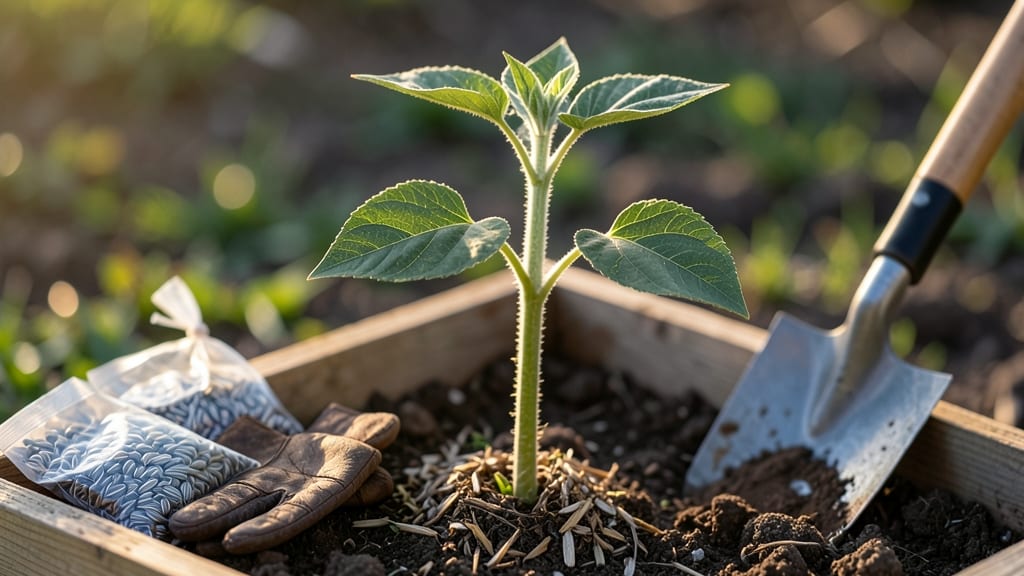
Planting sunflowers in Georgia at the right time means the difference between a sun-drenched garden showstopper and a sad, wilted stem.
Georgia’s warm climate can turn sunflowers into a stunning, low-maintenance centerpiece—but planting them at the wrong time means wilted dreams instead of towering blooms. Timing is everything, especially in Heat Zones 8A/8B where summer’s intensity can make or break your sunflower harvest.
If you’ve ever watched a sunflower 🌻 bolt too early or struggle in the heat, you know how critical the planting window is. The key is starting seeds after the last frost (around mid-April) and ensuring soil temperatures hit at least 55°F for fast germination.
Below, I’ll walk you through the exact dates for Heat Zones 8A/8B, soil prep tricks, and how to stagger plantings for continuous blooms all summer long.
Georgia sunflower planting calendar: exact dates for heat zone 8A/8B success
Sunflowers thrive in Georgia’s Heat Zones 8A/8B, but timing your planting is critical to avoid heat stress or late-season wilting. The key window runs from mid-April to early June, aligning with soil temperatures above 55°F (13°C) and minimal frost risk.
Early varieties can handle cooler starts, while late varieties need consistent warmth to germinate.
Georgia’s microclimates create variations—coastal areas (like Savannah) stay warmer longer, while inland zones (like Athens) may need earlier starts. Always check your last frost date (typically March 15) and adjust by 2-3 weeks for safety. This ensures your sunflowers reach their full 6-14 ft potential before summer’s peak.
For fast germination, aim to plant when soil reaches 60-65°F (16-18°C). Use a soil thermometer to confirm—this usually lands in late April to early May for most of Georgia.
Direct sowing after frost is ideal, but transplants can go in 2-3 weeks earlier if started indoors under grow lights.
| Planting Window | Soil Temp | Variety Type | Germination Time | Notes |
|---|---|---|---|---|
| Early April (Coastal) | 55°F (13°C) | Early Varieties (e.g., 'Teddy Bear') | 7-10 days | Lower frost risk; slower growth |
| Mid-April (Inland) | 60°F (16°C) | Standard Varieties (e.g., 'Moulin Rouge') | 5-7 days | Balanced growth; ideal for most gardeners |
| Late April - Early May | 65°F (18°C) | Late Varieties (e.g., 'Russian Giant') | 3-5 days | Fastest germination; tallest varieties |
| June (Succession) | 70°F+ (21°C+) | Dwarf Varieties (e.g., 'Sunspot') | 4-6 days | Extended blooms; heat-tolerant |
If you’re planting transplants instead of seeds, start them indoors 4-6 weeks before your target outdoor date. Use biodegradable pots to avoid root disturbance, and harden them off for 7-10 days before transplanting. This method works well for late April to early May starts in most of Georgia.
For direct sowing, scatter seeds 1 inch deep and 6-12 inches apart, depending on the variety. Thin seedlings to 12-24 inches apart once they’re 4-6 inches tall—this prevents overcrowding and ensures strong stems. Mulch with straw or grass clippings to retain moisture and suppress weeds.
Watch for heat stress signs like drooping leaves or yellowing petals after planting. If temperatures exceed 90°F (32°C) for prolonged periods, provide afternoon shade for young plants. Dwarf varieties handle heat better than giants, so consider 'Sunspot' or 'Autumn Beauty' for late-season plantings.
In Heat Zone 8B (e.g., Atlanta, Macon), you can push the envelope with June plantings for fall blooms. Choose heat-tolerant varieties like 'ProCut' or 'Energy' and plant in well-draining soil with daily watering. These late plantings often produce smaller but hardier flowers by September-October.
Always monitor your local weather forecasts—Georgia’s unpredictable spring rains can delay planting. If rain is forecasted, wait until the ground is dry enough to crumble before sowing. Overwatered seeds risk rot or uneven germination, so prioritize well-drained soil with a sandy loam texture.
Pro tip: Mark your calendar for July 4th weekend as a backup planting date if early attempts fail. By this time, soil temperatures are consistently warm, and dwarf varieties can still produce vibrant blooms by September. Just be prepared for
How to extend your sunflower season in Georgia: staggered planting for continuous blooms
Want sunflowers 🌻 blooming from summer into fall? The secret is staggered planting—a technique that turns one planting into a months-long floral display. In Georgia’s Heat Zones 8A/8B, this means planting every 2-3 weeks from mid-April through early June.
Each new batch will mature at different times, ensuring fresh blooms when the first ones fade.
This method works especially well for Georgia’s unpredictable spring rains. By spacing plantings, you avoid the risk of all your sunflowers bolting at once due to sudden warm spells.
Plus, it lets you mix tall varieties (like 'Mammoth') for dramatic height with dwarf types (like 'Teddy Bear') for borders or containers.
Here’s how to do it right—without overcrowding or missing the perfect window:
- First planting: Mid-April (after last frost, soil 55°F+). Choose early-maturing varieties (50-60 days to bloom).
- Second planting: Early May. Opt for medium-height varieties (60-75 days). Space them 12 inches apart to avoid shading.
- Third planting: Late May. Pick late-blooming or tall varieties (75-90 days). Give them 18+ inches of space for full growth.
- Fourth planting: Early June (if conditions allow). Use dwarf or container varieties for fall color. Water deeply 2x/week to prevent bolting.
Soil prep is just as critical as timing. Georgia’s clay-heavy soil can bake hard in summer, so amend beds with 2-3 inches of compost before planting. Mix in a handful of slow-release fertilizer (10-10-10) to fuel rapid growth. For containers, use a lightweight potting mix with perlite to prevent root rot from Georgia’s summer downpours.
Watch for bolting—when plants shoot up too fast and flower prematurely. This happens if seeds germinate in warm soil (>70°F) or get inconsistent water. To fix it, mulch heavily with straw to keep roots cool and water deeply in the morning to avoid fungal issues.
If you see early bolts, snip the flower head to redirect energy to the stem.
For continuous blooms, pair your sunflowers with companion plants like cosmos or marigolds. These attract pollinators and fill gaps as sunflowers mature. By late summer, your garden will be a nonstop parade of color—from the first April-May blooms to the October showstoppers.
Pro tip: Save seeds from your best-performing plants! Georgia’s heat can stress hybrids, but heirloom varieties like 'Autumn Beauty' often rebound stronger in fall plantings. Just let a few heads dry on the stalk before harvesting.