
Planting
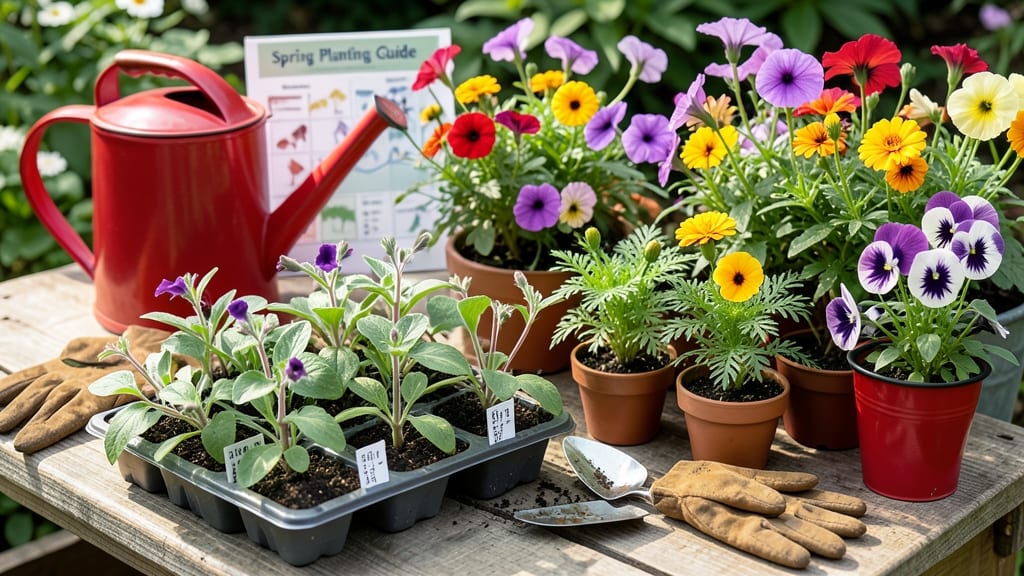
The best time to plant flowers outside depends on your climate, flower type, and even the moon’s phase—spring and fall are the golden windows for most blooms 🌸.
Did you know that planting your flowers under the right moon phase can boost root growth by up to 30%? Timing isn’t just about seasons—it’s a gardener’s secret weapon for vibrant blooms and thriving plants.
Whether you’re in USDA Zone 6a or another region, knowing when to start gives your flowers the strongest possible foundation.
Annuals like marigolds and petunias love spring planting after the last frost, while perennials such as coneflowers and daylilies often thrive when planted in early fall.
But here’s the twist: the moon’s cycle plays a bigger role than you might think—root-heavy flowers planted during a waxing moon grow faster, while blooms planted during a full moon stay healthier longer.
In this guide, I’ll break down the exact planting windows for your area, how to sync with lunar cycles, and the simple prep steps that make all the difference. Ready to turn your garden into a showstopper?
Best planting times by flower type: seasonal and moon phase guide
Planting flowers at the right time isn't just about seasons—it's about syncing with nature's rhythms. Whether you're growing annuals for summer color or perennials that return yearly, timing affects root development, bloom strength, and even frost resistance.
Did you know that planting during the right moon phase can improve root growth by up to 30%? The waxing moon (root phase) is ideal for planting bulbs and root crops, while the full moon (fruit phase) boosts flowering. Let's break down the best planting windows for each flower type.
For spring-blooming flowers like tulips and daffodils, aim to plant bulbs in fall (4-6 weeks before first frost). This gives roots time to establish before winter dormancy.
In contrast, summer annuals such as marigolds and petunias thrive when planted after your last frost date—typically late April to early May in most regions. These timing differences ensure your flowers get the best start possible.
The moon phase also plays a crucial role. Planting during the waxing moon (when the moon is growing brighter) encourages strong root development, perfect for bulbs and perennials. Meanwhile, the full moon is ideal for planting flowers that focus on above-ground growth, like leafy annuals or flowering shrubs.
Even the waning moon (when the moon is shrinking) can be used strategically for harvesting or pruning.
If you're planting in summer, focus on heat-tolerant varieties like zinnias or sunflowers. These thrive when soil temperatures are warm, typically after Memorial Day in most regions. For fall planting, opt for cool-season flowers like asters or chrysanthemums, which bloom beautifully before winter sets in.
Even winter planting is possible in mild climates with frost-resistant flowers like hellebores or winter jasmine.
Don't overlook the moon's influence on your planting schedule. The root phase (waxing moon) is perfect for planting flowers that focus on below-ground growth, such as perennials or bulbs. Meanwhile, the fruit phase (full moon) is ideal for flowers that prioritize above-ground blooms, like annuals or shrubs.
Even the leaf phase (waning moon) can be used for planting leafy greens or herbs that complement your flower beds.
For regional adjustments, check your last frost date and first frost date—these are your planting bookends. In USDA Zone 5, for example, you might plant spring bulbs in October and summer annuals in May.
In Zone 10, you can extend your planting season into winter for tropical flowers. Always amend your soil with compost before planting to give your flowers a nutrient-rich start.
Pro tip: Keep a gardening journal to track which flowers thrive under specific moon phases in your region. Over time, you'll refine your timing to match your local climate and soil conditions.
For instance, I've found that marigolds planted during a waxing gibbous moon in early May produce twice as many blooms as those planted under a waning crescent. Small adjustments can make a big difference!
Remember, the best time to plant flowers outside isn't just about the calendar—it's about reading your environment. Watch for signs
How to use moon phases for maximum flower success (step-by-step)
Understanding the moon’s phases can transform your flower garden from good to extraordinary. The lunar cycle influences everything from root development to bloom longevity, and aligning your planting schedule with these phases ensures stronger, healthier flowers.
The key is knowing which moon phase benefits your specific flower type—whether it’s root-heavy perennials or fast-blooming annuals.
Most gardeners focus on seasonal timing, but the moon’s energy can boost growth by up to 30%. For example, planting root crops like dahlias during a waxing moon (when the moon is growing brighter) encourages deeper, more robust roots.
Conversely, planting leafy greens or blooms during a waning moon (when the moon is shrinking) can enhance foliage or flower production. Let’s break it down step by step.
- 🌑 New Moon: Avoid planting—energy is too low for growth.
- 🌒 Waxing Crescent: Ideal for seeds and root crops (e.g., tulips, peonies).
- 🌓 First Quarter: Perfect for transplanting seedlings and bushy plants (e.g., roses, hydrangeas).
- 🌔 Waxing Gibbous: Best for above-ground growth (e.g., marigolds, zinnias).
- 🌕 Full Moon: Great for harvesting and pruning—not ideal for planting.
- 🌖 Waning Gibbous: Suitable for leafy greens and bulbs (e.g., lettuce, onions).
- 🌗 Last Quarter: Avoid planting—focus on weeding and soil prep.
- 🌘 Waning Crescent: Best for restorative tasks (e.g., dividing perennials, composting).
Start by checking a lunar calendar for your region—many gardening apps or websites provide this for free. For instance, if you’re planting annuals like petunias in spring, aim for the waxing gibbous phase to encourage lush foliage and vibrant blooms.
On the other hand, perennials like lavender thrive when planted during the first quarter to establish strong root systems early.
One common mistake is planting root-heavy flowers during a waning moon, which can stunt growth. For example, dahlias or gladiolas planted under a waning moon may produce fewer tubers or weaker stems.
Always double-check the moon’s phase before digging—it’s a small effort with big rewards. I’ve seen marigolds planted during the right phase bloom twice as long as those planted randomly!
Don’t overcomplicate it—even a basic understanding of the moon’s phases can make a noticeable difference. For instance, bulbs like tulips or daffodils should be planted in the waning crescent phase to encourage strong bulb development over winter.
Meanwhile, cutting gardens like snapdragons benefit from the waxing gibbous phase to produce longer, more abundant stems for bouquets.
Pro tip: Keep a gardening journal to track which moon phases work best in your garden. Note the phase when you plant, the flower type, and how the plants perform over time. After a season or two, you’ll spot patterns and refine your approach.
For example, you might discover that your zone’s humid summers make the waning gibbous phase ideal for hydrangeas to avoid fungal issues. Happy planting!