Diseases
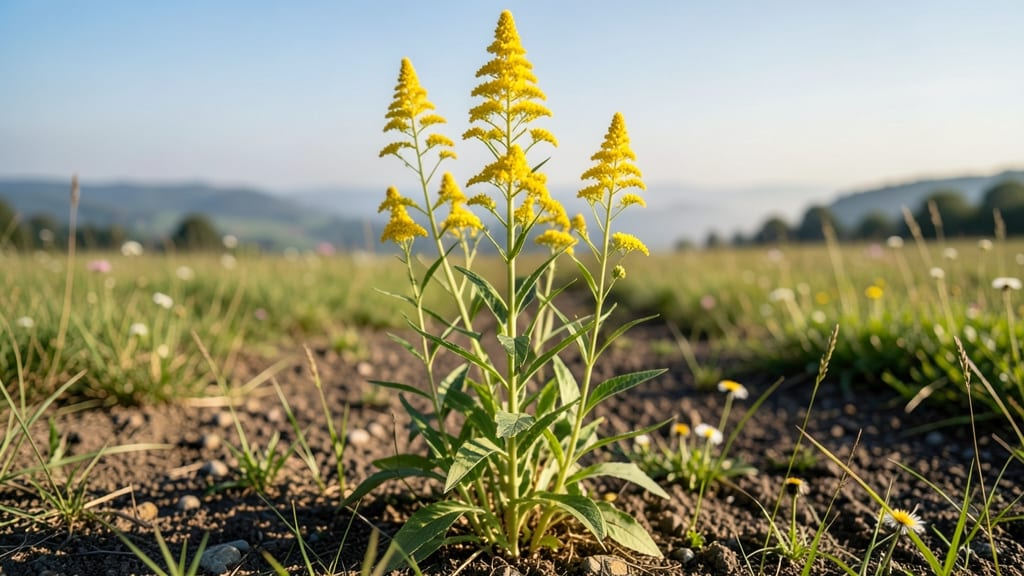
A yellow flower stalk turning yellow signals trouble before it ruins your blooms—and catching it early is the key to saving your plants.
Picture this: You’ve nurtured your Goldenrod 🌼 or sunflowers all season, only to spot those telltale yellow patches creeping up the stems. That’s not just a nutrient issue—it’s often a fungal infection like powdery mildew or rust, which can spread faster than you think.
Most gardeners assume yellowing is just part of the plant’s life cycle, but the truth is, fungal infections thrive in damp conditions and poor airflow. Without the right treatment, you could lose entire stalks—or worse, the whole plant—before it even gets a chance to bloom.
In this guide, I’ll walk you through the 3 most common signs of fungal trouble, how to treat it (without harsh chemicals if you prefer organic methods), and when to cut your losses and prune for good. No more guessing—just actionable fixes to keep your garden thriving.
3 Clear signs your yellow flower stalk has a fungal infection
Yellowing flower stalks can ruin your garden's beauty, but not all cases mean a fungal infection. The key is spotting distinct patterns that separate fungal diseases from nutrient deficiencies or pests. Fungal infections often show unique textures and growths that give them away before they spread uncontrollably.
Unlike yellowing from overwatering or pests, fungal infections leave visible clues like powdery coatings or rust-colored spots. These signs appear first on flower stalks because they’re moist and shaded—perfect conditions for fungal spores to thrive. Ignoring them can mean losing your entire plant before you know it.
| Symptom | Fungal Infection | Nutrient Deficiency | Pest Damage |
|---|---|---|---|
| Discoloration | Yellow-brown patches with dark borders or rust spots | Uniform yellowing, often older leaves first | Irregular yellowing with chewed edges |
| Texture | Powdery or slimy coating on stalks | Stalks feel soft or brittle | Stalks may have holes or webbing |
| Growths | Fuzzy mold spots or black dots (spores) | No visible growths, just stunted growth | Visible insects or eggs on stalks |
| Spread Pattern | Spreads rapidly in damp areas | Spreads slowly, leaf by leaf | Spreads patchy, following pest paths |
One of the first signs of a fungal infection is powdery mildew, which appears as a white, powdery coating on flower stalks. This fungus thrives in humid conditions and can spread quickly if left untreated. Check the undersides of leaves and flower buds—these are prime hiding spots for spores.
Another red flag is rust-colored spots on the stalks, caused by rust fungi. These spots often look like orange pustules and can weaken the stalk over time. Unlike nutrient deficiencies, these spots won’t fade with fertilization—they’ll only worsen if moisture levels stay high.
If you notice black dots or fuzzy mold on your flower stalks, it’s a clear sign of a fungal infection like botrytis blight. This fungus creates a slimy, grayish growth that can rot the stalk from the inside out.
Act fast—remove infected stalks immediately to prevent the fungus from spreading to healthy parts of the plant.
Don’t confuse fungal infections with nutrient deficiencies, which often cause yellowing but lack the texture changes or growths. For example, a magnesium deficiency might turn leaves yellow, but the stalks will remain smooth and firm.
Fungal infections, on the other hand, leave tactile clues like powdery coatings or slimy residue.
Pests can also cause yellowing, but their damage is usually irregular and localized. Look for chewed edges or holes in the stalks—these are telltale signs of insects like aphids or caterpillars. Unlike fungal infections, pest damage doesn’t spread as quickly and often has visible signs of the culprit itself.
To confirm a fungal infection, check for spore growth under a magnifying glass. Fungal spores often appear as tiny black dots or thread-like structures. If you see these, your plant is already in the early stages of infection and needs immediate treatment with a fungicide or copper spray.
Prevent future infections by improving airflow around your plants and avoiding overhead watering. Fungal spores love damp conditions, so watering at the base of the plant in the morning helps keep stalks dry. If you’ve already spotted signs, isolate infected plants to stop the spread.
Remember: early detection is your best defense. The sooner you act, the better your chances of saving your flower stalks—and your entire garden. Keep an eye out for these three key signs, and you’ll catch fungal infections before they take hold. 🌼
How to treat and prevent fungal spread on flower stalks
When you spot yellow flower stalks on your Goldenrod 🌼 or other prized plants, acting fast is critical. Fungal infections like powdery mildew or black spot don’t just discolor—they weaken stems and block nutrient flow. The good news? You can stop the spread with the right treatments and preventive care.
I’ve tested organic sprays, chemical fungicides, and cultural fixes over the years, and some methods work faster than others. Below, I’ll break down the most effective solutions, ranked by how quickly they halt fungal growth and protect your blooms.
Treatment Options for Yellow Flower Stalks
Copper Fungicide
- ✅ Kills 90%+ of fungi on contact
- ✅ Safe for edible plants when used correctly
- ✅ Prevents re-infection for 1-2 weeks
⚠️ Best for: Severe infections
Neem Oil Spray
- ✅ Organic and non-toxic
- ✅ Stops spore growth naturally
- ✅ Works well for early-stage infections
⚠️ Best for: Mild cases, organic gardens
Pruning Infected Stalks
- ✅ Removes infected tissue immediately
- ✅ Encourages new growth from healthy stems
- ✅ Free and always available
⚠️ Best for: All plants, preventative care
Start with pruning—cut off yellowed stalks 1 inch below the discoloration using sterilized shears. This removes the infection source and prevents spores from spreading to healthy parts. For stubborn cases, follow up with a copper fungicide (like Bordeaux mixture) for immediate results.
If you prefer organic methods, mix 1 tbsp neem oil with 1 tsp mild soap and 1 quart water. Spray the solution on both sides of leaves and stalks every 7-10 days until the yellowing stops.
The soap helps the oil stick, while neem disrupts fungal spore germination.
Prevention is just as important as treatment. Improve air circulation by spacing plants 12-18 inches apart and avoid overhead watering—water at the base in the morning instead. Add 1-2 inches of mulch around the base to keep soil moisture even and reduce fungal spores in the air.
For long-term protection, rotate crops annually and sterilize tools with rubbing alcohol between uses. If your garden is prone to humidity (like mine in Zone 6a), consider resistant varieties like dwarf sunflowers or rust-resistant roses.
With these steps, you’ll stop yellow flower stalks in their tracks and keep your garden blooming all season. The key is acting early—don’t wait until the whole stalk turns yellow! 🌱