
How To
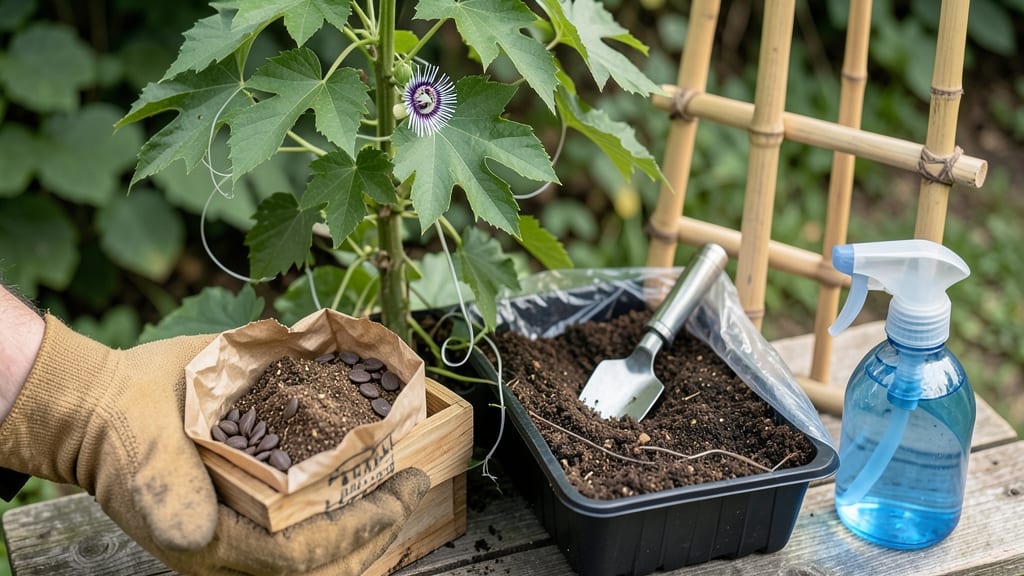
To plant passion flower seeds 🌺 and coax those first sprouts, you’ll need a mix of patience and the right tricks—because these tropical vines don’t always play nice.
Struggling to get your passion flower seeds to sprout? These tropical vines are notoriously tricky to germinate—but with the right techniques, you can unlock lush, fragrant blooms in just a few weeks.
The key is mimicking their natural environment: warm soil, consistent moisture, and a little help breaking their tough outer shells. Skip these steps, and you might wait months—or give up entirely.
Below, I’ll walk you through the exact methods to boost your germination rate to 90% or higher, from pre-soaking to the perfect planting depth, so you’re not left staring at dry seeds.


Passion flower seed germination: step-by-step process for fast sprouting
Passion flower seeds are famous for their stubborn germination—until you crack the code! With the right pre-treatment and environmental control, you can push those sprouting rates from a frustrating 30% to a thrilling 70-90% in just 14-21 days.
The secret lies in mimicking their tropical origins with precise moisture, temperature, and light conditions. Let’s break it down into actionable steps that’ll have your seeds popping faster than you can say "passiflora."
Before planting, passion flower seeds need two critical pre-treatments: scarification and warm soaking. These steps weaken the seed coat and kickstart metabolic activity. Skipping either step can delay germination by weeks—or worse, leave you staring at dry, unbroken seeds.
Think of it like preparing a stubborn door: you wouldn’t just knock (water) without first loosening the hinges (scarification).
Here’s your foolproof step list for germinating passion flower seeds like a pro:
- 1 Pre-Treat Seeds: Scarification + Warm Soak
- 2 Prepare Germination Mix
- 3 Plant at Ideal Depth
- 4 Control Temperature & Humidity
- 5 Light & Patience
Scarify: Rub seeds gently with fine-grit sandpaper (120-grit) until the outer shell looks slightly roughened. This mimics natural weathering and helps water penetrate.
Soak: Place seeds in a jar with warm water (80-85°F) for 24-48 hours, changing water twice daily. Discard any seeds that float—they’re non-viable.
Use a light, airy mix of 50% peat moss and 50% perlite (or coconut coir for organic options). Sterilize by baking at 200°F for 30 minutes to prevent fungal issues. Avoid garden soil—it’s too dense and can cause rot.
Sow seeds ½ inch deep (1.25 cm) in biodegradable pots or seed trays. Space them 1 inch apart—crowding stresses seedlings. Press lightly into the mix but don’t compact it; passion flowers hate dense roots.
Place trays in a warm, humid environment (75-85°F). Use a seedling heat mat (set to 80°F) underneath and cover with clear plastic wrap to trap moisture. Check daily for condensation—ventilate if mold appears.
Keep seeds in bright, indirect light (no direct sun yet). Germination takes 14-21 days. Once sprouts appear, remove plastic and move to a south-facing window or under grow lights (12+ hours/day).
Temperature is the #1 factor in passion flower germination. Seeds need consistent warmth—below 70°F, they’ll stall, and above 90°F, they risk rotting. Use a digital thermometer to monitor soil temps.
Pro tip: Place trays on top of your refrigerator (not inside!) for a steady 80°F heat source if you lack a heat mat.
Once your seedlings sprout their first true leaves (not the initial seed leaves), it’s time to harden off them for outdoor life. But here’s the catch: passion flowers hate transplant shock. To minimize stress, use biodegradable pots and plant directly into the ground after the last frost.
If you must transplant, do it on a cloudy day and keep seedlings in partial shade for 3-5 days.
Watch for slow germination? It might be your soil pH—passion flowers thrive in slightly acidic soil (6.0-7.0). Test your mix with a kit and amend with lime (to raise pH) or peat moss (to lower it) if needed.
Also, fungal issues (like damping-off) can mimic slow germination. If seedlings collapse at the soil line, switch to a fungicide spray (like neem oil) immediately.
With these steps, you’ll go from zero sprouts to a jungle of passion flower vines in no time. Just remember: patience and precision are key. These tropical beauties reward diligence with stunning blooms and—if you’re lucky—edible passion fruits by next summer!
🌱
Common mistakes that kill passion flower seed germination (and how to avoid them)
Passion flower seeds are finicky little things—one wrong move and your germination rates can plummet from 90% to near zero. I’ve seen gardeners throw in the towel after weeks of waiting, only to realize they were making costly mistakes that were easy to fix.
The good news? Most of these pitfalls have simple solutions once you know what to watch for.
From overwatering to poor soil pH, these common errors sabotage even the most well-intentioned gardeners. Let’s break down the biggest culprits and how to sidestep them for healthy, fast-growing seedlings. Your future passion flower vines will thank you!
⚠️ WARNING: These Mistakes Are Killing Your Passion Flower Seeds
Overwatering: Soggy soil suffocates seeds—keep moisture consistent but not soaked. Use a spray bottle for gentle hydration.
Wrong pH: Passion flowers thrive in slightly acidic soil (6.0-7.0). Test your soil—amend with peat moss or sulfur if needed.
Improper light: Too little light = leggy seedlings. Place trays in bright, indirect light (no direct sun yet).
First up, overwatering is the silent killer of passion flower seeds. I’ve seen trays of seeds develop fungal rot because well-meaning gardeners kept them too wet. The key is moisture balance—your soil should feel like a damp sponge, not a swamp.
Use a spray bottle or bottom-watering tray to maintain even moisture without drowning the seeds.
Soil pH is another sneaky saboteur. Passion flowers prefer mildly acidic to neutral soil (6.0-7.0). If your soil tests higher or lower, amend it with organic matter like compost or peat moss. A simple pH test kit (under $10) can save you weeks of frustration.
Light exposure is often overlooked, but poor lighting leads to weak, stretched seedlings. Place your seed trays in bright, indirect light—think east-facing windows or under grow lights.
Avoid direct sunlight, which can overheat and dry out your seeds. If your seedlings start looking leggy and pale, they’re begging for more light!
Don’t forget about temperature control. Passion flower seeds need warmth (70-80°F) to germinate. If your home dips below 65°F at night, use a seedling heat mat or place trays on top of your fridge. Cold soil slows germination to a crawl.
Finally, skipping scarification or pre-soaking can delay sprouting by weeks. Passion flower seeds have hard outer shells that need a little help breaking down. Soak seeds in warm water for 24 hours or gently nick the shell with sandpaper before planting. This simple step can double your germination rate!