
Plants
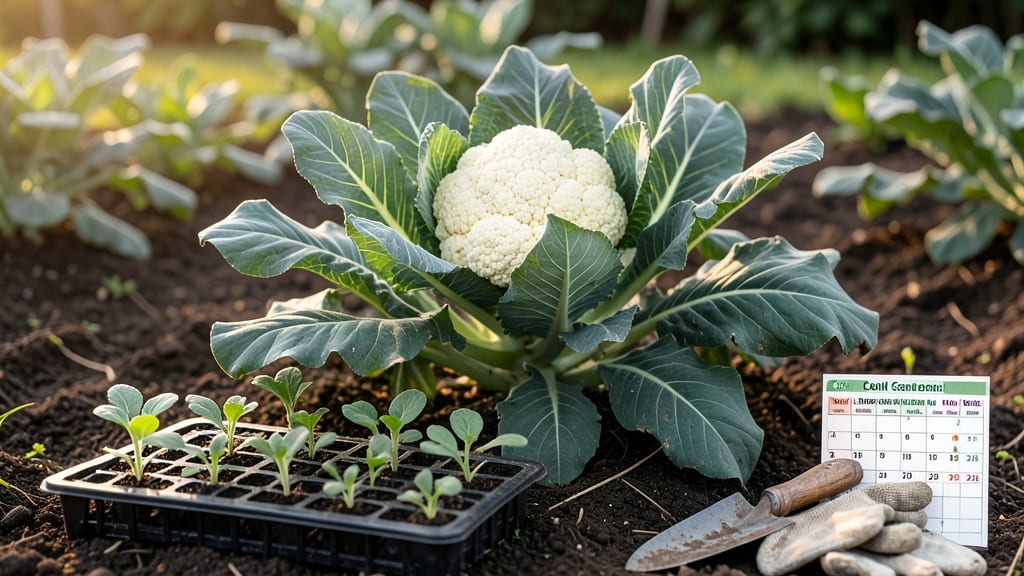
To plant cauliflower at the right time means catching that narrow window between frost and heat 🥬 — too early and it bolts, too late and it wilts.
You’ve probably heard that cauliflower loves cool weather, but the real challenge is timing it so the 60-100 day growth cycle ends before summer’s heat arrives.
In USDA Zone 6a, that means starting seeds indoors by early March or sowing directly in March-April, 4-6 weeks before your last frost date.
Miss that window, and you’ll either get bitter bolts or plants that struggle to form heads. Below, I’ll break down the exact timing for your zone, whether to start seeds indoors or sow directly, and how to adjust for fall harvests in cooler climates.
No more guessing games — just data-backed strategies to ensure your cauliflower thrives from seed to harvest.
Optimal cauliflower planting times by US hardiness zone
Cauliflower is a cool-season crop that thrives when temperatures hover between 50°F and 75°F. Planting at the wrong time can lead to stunted growth, bolting, or poor yields. The key is understanding your USDA hardiness zone and adjusting for frost dates—whether you're direct sowing seeds or transplanting seedlings.
In zones 3-5, you'll need to plan for early starts, while zones 7-11 offer more flexibility for fall harvests.
For most gardeners, the best planting window is 4-6 weeks before your last frost date in spring. However, cauliflower can also tolerate light frosts (down to 20°F for short periods), making it ideal for fall planting in warmer zones.
Let’s break down the exact timing for each zone to ensure you maximize your harvest.
| USDA Zone | Spring Planting (Direct Sow/Transplant) | Fall Planting (Direct Sow/Transplant) | Frost Tolerance | Key Notes |
|---|---|---|---|---|
| 3-4 | Start indoors 8-10 weeks before last frost (March). Transplant late April-early May. | Not recommended (short growing season). | Tolerates 15°F for short periods. | Use row covers to extend season. |
| 5-6 | Direct sow mid-April or transplant late April-early May. | Sow late July for fall harvest (70-80 days to maturity). | Tolerates 20°F briefly. | Fall crops need protection before first frost. |
| 7-8 | Direct sow early March or transplant late February-early March. | Sow mid-August for late fall harvest. | Tolerates 25°F with mulch. | Ideal for year-round harvests with succession planting. |
| 9-10 | Direct sow late January-early February or transplant December-January. | Sow September-October for winter harvest. | Tolerates 30°F easily. | Use shade cloth in summer to prevent bolting. |
| 11 | Plant year-round with shade protection in summer. | Sow November-March for continuous harvest. | No frost risk; focus on heat tolerance. | Choose heat-tolerant varieties like 'Cheddar' or 'Graffiti'. |
In zones 3-4, where winters are harsh, focus on spring planting only. Start seeds indoors in March and transplant after the last frost. Use black plastic mulch to warm the soil faster and protect young plants.
For zones 5-6, you can squeeze in a fall crop by sowing in late July, but be ready to cover plants with frost blankets once temperatures dip below 30°F.
Gardeners in zones 7-10 have the advantage of fall and winter harvests. In zone 7, aim for a late August sowing to harvest before winter sets in.
Meanwhile, zones 9-10 can plant year-round, though summer heat may cause bolting. Use shade cloth (30-50%) to keep soil temperatures below 80°F and prevent premature flowering.
For zone 11, where frost is rare, the challenge is heat stress. Plant in fall, winter, or early spring to avoid summer’s intense sun. Varieties like 'Gra
How to time cauliflower planting for year-round harvests
Extending your cauliflower harvest beyond a single season requires strategic timing and microclimate awareness. Most gardeners focus on spring planting, but with succession planting and fall crops, you can enjoy fresh cauliflower from early summer through winter in mild climates.
The key lies in understanding soil temperature triggers—cauliflower needs 45-50°F soil to germinate and 60-70°F for optimal growth.
In USDA Zones 3-5, where winters are harsh, focus on a single spring planting and late-summer transplants for fall harvests before the first frost. Meanwhile, gardeners in Zones 7-10 can plant three times a year: early spring, late summer, and even winter in frost-free areas.
The trick is matching your planting schedule to your local frost dates and daylength sensitivity—cauliflower bolts when days get too long.
🌱 Numbered Highlights for Year-Round Cauliflower Success
- 1. Spring Planting: Start seeds 4-6 weeks before last frost (e.g., March in Zone 6a). Transplant seedlings when soil reaches 45°F and air temps stay above 50°F.
- 2. Summer Succession: Sow late July-August for fall harvests. Choose bolt-resistant varieties like 'Snowball Y Improved' or 'Purple of Sicily'.
- 3. Fall Planting: Transplant 6-8 weeks before first frost (e.g., September in Zone 5). Use row covers to extend harvest into winter.
- 4. Winter Harvests: In Zones 8-10, plant October-November for winter crops. Protect with mulch or cold frames to prevent bolting.
- 5. Soil Prep: Amend beds with compost and aged manure to maintain 6.0-7.0 pH. Cauliflower hates acidic soil and compacted clay.
- 6. Companion Plants: Pair with celery, onions, or herbs (like dill or thyme) to deter pests. Avoid planting near tomatoes or strawberries.
- 7. Microclimate Hacks: Use black plastic mulch to warm soil faster in spring or shade cloth to cool roots in summer.
For succession planting, stagger sowings every 2-3 weeks in spring and 3-4 weeks in fall. This ensures a continuous supply of fresh curds without overwhelming your garden space.
In my Zone 6a garden, I plant the first batch in early March, a second in late April, and a final succession in early August for a fall harvest.
Don’t overlook companion planting—it’s a game-changer for pest control and flavor. I always interplant cauliflower with rosemary or sage, which repel cabbage moths (a major cauliflower pest).
Meanwhile, radishes planted nearby act as trap crops, drawing pests away from your main harvest. Just avoid planting near brassicas like broccoli, which compete for nutrients.
Regional microclimates play a huge role in timing. If you live in a valley or low-lying area, frost may arrive earlier than official forecasts suggest. Test your soil temperature with a soil thermometer—cauliflower seeds won’t germinate below 45°F, even if the air feels warm.
In contrast, hilltop gardens often stay cooler longer, giving you an extra 2-3 weeks of planting time.
Protect your late-season plants with floating row covers or low tunnels to shield them from light frosts (28-32°F). I’ve successfully harvested cauliflower in Zone 5 well into November using these methods. Just remember: harvest before heavy frosts (below 25°F) or the curds will turn mushy and inedible.