
Flowers
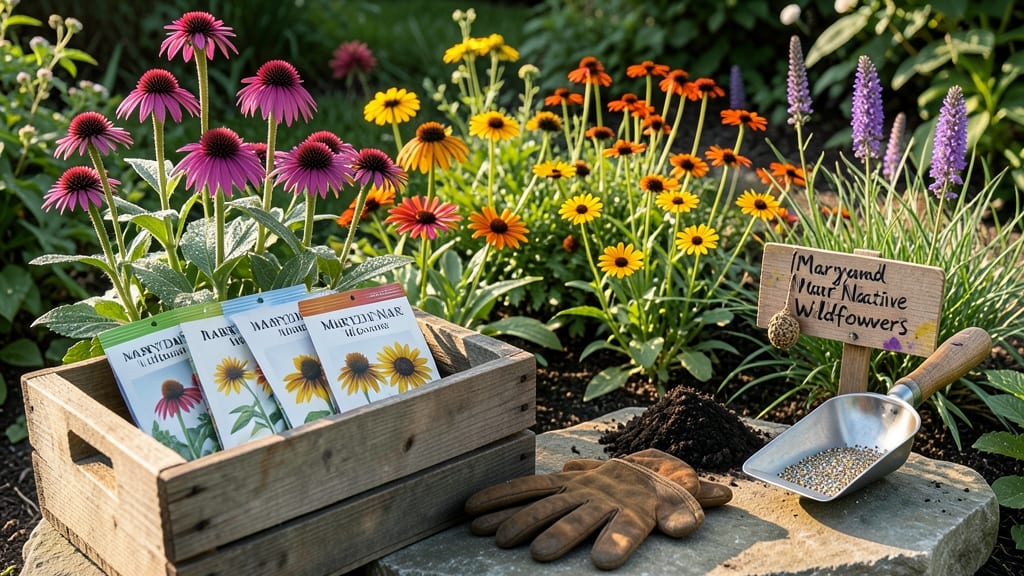
Planting wildflowers in Maryland at the right time ensures vibrant blooms all season, whether you're restoring pollinator habitats or brightening up your garden 🌼.
Maryland’s unpredictable spring weather can turn your wildflower dreams into a guessing game—but timing your planting around frost dates guarantees vibrant blooms year after year.
In Maryland’s USDA zones 6a-7b, the best windows are early spring (March–April) or early fall (September–October), when soil is workable and frost risks are low.
Below, I’ll break down the exact frost-date secrets for your region, the best native species to choose, and how to prep soil for zero-fail blooms.
Maryland’s frost dates: the critical timeline for wildflower planting
Timing your wildflower planting around Maryland’s last frost dates is the secret to vibrant blooms that thrive year after year. With USDA Zones 6a-7b across the state, frost timelines vary dramatically—from mid-April in Baltimore to late April in Western Maryland.
These dates determine whether your seeds sprout or shrivel, so let’s break it down by region and microclimate.
Most wildflower seeds can’t handle temperatures below 10°F to 14°F—that’s your viability threshold. For example, black-eyed Susans and coneflowers (perennials) can survive brief dips to 10°F, while tender cosmos and zinnias (annuals) need to wait until soil warms to 60°F.
Knowing these rules helps you avoid costly mistakes.
Here’s how Maryland’s regions stack up for spring planting windows:
| Region | USDA Zone | Avg. Last Frost | Safe Planting Window | Microclimate Adjustments |
|---|---|---|---|---|
| Baltimore | Zone 7b | Mid-April | Early April (hardy perennials) or late April (tender annuals) | Urban areas: 1-2 weeks later; waterfront: 1 week earlier |
| Annapolis | Zone 7a | Late April | Late April (hardy species) or early May (tender varieties) | Coastal: 3-5 days earlier; inland: 3-5 days later |
| Western MD (Hagerstown) | Zone 6a | Late April | Late April (perennials) or early May (annuals) | Mountainous areas: 1 week later; valleys: 1 week earlier |
| Fall Planting | All Regions | 4-6 weeks before first frost | Late August to early September | Elevated areas: 1-2 weeks earlier |
For fall planting, aim to sow seeds 4-6 weeks before your region’s first frost—typically late August to early September.
This timing lets seeds germinate and establish roots before winter dormancy. Native wildflowers like purple coneflower and butterfly weed are excellent choices for fall, as they thrive with cooler soil temperatures.
Microclimates can shift your planting window by 1-2 weeks. For example, elevated areas (like mountain slopes) experience frost 1-2 weeks later than valleys, while urban heat islands (like Baltimore’s downtown) may warm up 3-5 days earlier. Always check local weather forecasts for 30-day temperature trends before planting.
If you’re unsure about your exact frost dates, use the 10°F/14°F rule as a guide: Most wildflower seeds won’t survive below these temperatures. For tender annuals, wait until soil temperatures consistently stay above 60°F—a soil thermometer is your best tool.
For hardy perennials, you can plant as early as 2 weeks before the last frost if using row covers.
Pro tip: Direct sowing is best for wildflowers—avoid starting seeds indoors unless you’re dealing with longer-season varieties like foxglove or delphinium. These need a head start, but most Maryland wildflowers thrive when planted directly into the garden after the frost risk passes.
Don’t forget about succession planting! For a continuous bloom, sow a second batch of annual wildflowers like cosmos or sunflowers every 2-3 weeks after your initial planting. This ensures your garden stays colorful from June through October, even if early bloomers fade.
Finally, keep an eye on rainfall patterns. Maryland’s spring can be unpredictable—some years bring excessive rain (delaying planting), while others see drought-like conditions (requiring immediate watering). Always prepare your soil with compost and a light mulch to retain moisture and improve drainage.
By aligning your planting with Maryland’s frost dates—and adjusting for your microclimate—you’ll set your wildflowers up for a
Best wildflowers for Maryland seasons: matching species to planting windows
Choosing the right wildflowers for Maryland’s climate means matching planting windows with each species' hardiness. Annuals like cosmos and zinnias thrive when sown after the last frost in early spring (March–April), while perennials such as black-eyed Susans establish best in early fall (September–October) for deep root growth before winter.
Native species like purple coneflower and butterfly weed are perfect for pollinators and adapt well to Maryland’s USDA zones 6a–7b. These perennials handle fall planting beautifully, often blooming the following year. For instant color, annual wildflowers like sunflowers and marigolds are ideal for spring sowing.
- Spring (March–April): Sow annuals like cosmos, zinnias, and sunflowers after last frost (mid-April in most regions). These love warm soil and bloom quickly.
- Early Fall (September–October): Plant perennials such as coneflowers, black-eyed Susans, and native milkweed. 6 weeks before first frost ensures roots establish before winter.
- Late Fall (November): Try cold-hardy annuals like sweet alyssum or larkspur for winter color in sheltered microclimates (e.g., near south-facing walls).
- Spring Indoors (February): Start delicate perennials like columbine or penstemon indoors for transplanting after last frost. This extends their growing season.
- Succession Planting (May–June): Re-sow short-lived annuals like bachelor’s buttons every 4–6 weeks for continuous blooms all summer.
For pollinator-friendly gardens, prioritize native species like goldenrod and bee balm, which attract bees, butterflies, and hummingbirds. These thrive in partial shade and dry soil, making them low-maintenance choices for Maryland’s varied landscapes.
If you’re restoring a wildflower meadow, mix seed blends with a mix of early bloomers (e.g., phlox) and late-season flowers (e.g., asters). This ensures year-round interest for pollinators. Always scarify soil or lightly rake before sowing to improve seed-to-soil contact.
Fall-planted perennials often outperform spring-sown ones because they avoid summer heat stress and establish deeper roots. For example, New England aster planted in September will bloom prolifically in late summer the following year, while spring planting may result in smaller, weaker plants.
Pro tip: Use row covers or cold frames to extend your spring planting window by 2–4 weeks. This protects tender seedlings from late frosts while letting you start earlier. Just remove covers once temperatures stay above 50°F (10°C) consistently.