
Flowers
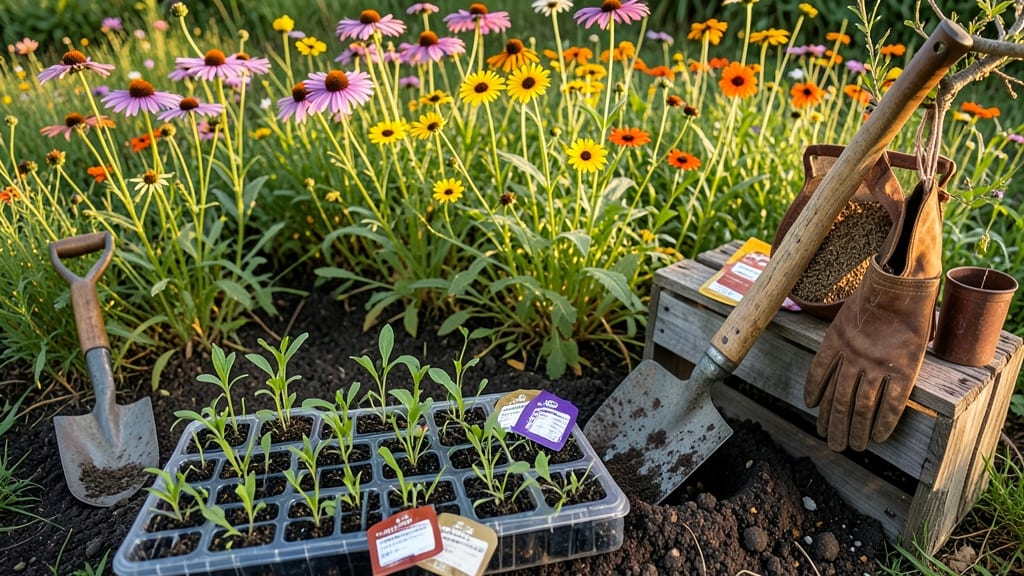
Planting wildflowers in Zone 6 at the right time ensures vibrant blooms all season 🌼—aim for 4-6 weeks before your last frost in spring or early fall for the best results.
Timing your wildflower planting in Zone 6 can mean the difference between a vibrant meadow and months of waiting for blooms—get it wrong, and you risk sparse flowers or invasive weeds taking over.
Spring planting is ideal after the soil warms but before weeds surge, while fall offers a second chance to establish roots before winter. I’ll show you the exact weeks to plant by region, plus soil prep tricks to give your wildflowers the best start.
You’ll learn how to choose fast-growing annuals for quick color or hardy perennials for long-term beauty, along with watering schedules that keep your meadow thriving without wasting effort.
Zone 6 wildflower planting timeline: exact weeks before last frost for each season
Getting your wildflowers in the ground at the right time in Zone 6 is crucial for strong germination and vibrant blooms. The last average frost date typically falls around April 15 in most of Zone 6, but microclimates can shift this by 2-3 weeks.
Planting too early risks frost damage, while waiting too long may lead to summer drought stress before roots establish.
For spring planting, aim to sow seeds 4-6 weeks before your last frost—usually between mid-March and early April. This window gives seeds time to germinate before soil temperatures rise too quickly.
In contrast, fall planting offers a second chance, with seeds sown 6-8 weeks before first frost (typically September 15-October 1), allowing them to establish roots before winter dormancy.
Here’s how to adjust for your specific location: If you’re in Zone 6a (colder microclimates like upstate New York or Montana), push spring planting to late March-April and fall planting to late August-September.
For Zone 6b (warmer areas like Virginia or Missouri), you can start as early as February-March in spring and extend fall planting to early October.
Early bloomers like bluebonnets and lupines benefit from early spring planting (March), while late-season favorites such as black-eyed Susans and goldenrod thrive with fall sowing. Perennials often perform better when planted in fall, giving roots time to anchor before summer heat arrives.
🌱
| Planting Window | Weeks Before Frost | Best For | Soil Temp | Notes |
|---|---|---|---|---|
| Spring (Zone 6a) | 4-6 weeks | Early bloomers (e.g., phlox, coreopsis) | 45-55°F | Cover seeds with ¼ inch soil; water lightly daily. |
| Spring (Zone 6b) | 3-5 weeks | Annuals (e.g., cosmos, zinnias) | 50-60°F | Direct sow after last frost; thin seedlings to 12 inches apart. |
| Fall (Zone 6a) | 6-8 weeks | Perennials (e.g., coneflower, bee balm) | 55-65°F | Sow late August-September; mulch after germination. |
| Fall (Zone 6b) | 5-7 weeks | Late-season bloomers (e.g., goldenrod, asters) | 60-70°F | Water deeply 1x/week until frost; no thinning needed. |
| Microclimate Adjustments | ±2 weeks | All varieties | Varies | Low areas: plant 1 week later; south-facing slopes: 1 week earlier. |
For spring planting, prepare your soil in late winter by removing weeds and loosening the top 2-3 inches of soil. Wildflowers thrive in well-draining soil, so amend heavy clay with compost or sand if needed.
Once seeds are sown, keep the soil consistently moist but not soggy, as excessive water can cause seed rot.
Fall planting requires slightly different prep: Test your soil’s pH (6.0-7.0 ideal) and add lime if needed. Sow seeds ¼ inch deep and mulch lightly with straw or leaves to protect them from winter rains. This method reduces early spring weeds and gives perennials a head start.
If you’re planting mixed wildflower seeds, include a few fast-germinating species like clover or vetch to stabilize soil and suppress weeds until slower-growing varieties (like lupines) emerge. These "nurse crops" create a living mulch that benefits the entire meadow.
🌿
Don’t forget to monitor your local frost forecasts—even in Zone 6, late frosts can occur. If nighttime temperatures dip below 32°F after planting, cover young seedlings with row fabric or old blankets until they’re 4-6 inches tall.
With the right timing and care, your wildflower meadow will reward you with season-long color and pollinator support.
☀️
Best wildflower types for Zone 6 planting success: fast-growing vs. perennial varieties
When choosing wildflowers for Zone 6, you’ll want to decide between fast-growing annuals that deliver instant color and perennial varieties that return year after year.
Annuals like cosmos and zinnias sprout quickly—often within 7-14 days—while perennials like coneflowers take 3-4 weeks to germinate but reward you with decades of blooms.
Annuals thrive on quick germination and short bloom cycles (6-8 weeks), making them perfect for filling gaps or creating instant meadows. Perennials, however, establish deep roots early and often rebloom annually with minimal care, though they may take 2-3 years to reach full maturity.
Here’s a quick comparison to help you decide which type fits your timeframe, budget, and maintenance preferences:
Fast-Growing Annuals
Perennial Varieties
Cosmos and zinnias are my top picks for annuals—they germinate in 7-10 days and bloom within 6 weeks, perfect for filling empty spaces or creating a pollinator paradise fast. For perennials, black-eyed Susans and coneflowers are hardy in Zone 6, with low maintenance once established.
If you’re short on time, annuals like lupine or sunflowers deliver instant gratification, while perennials like bee balm or goldenrod offer long-term beauty with minimal effort after the first year. My garden always includes a mix of both for year-round interest!
For fastest results, plant annuals in early spring (after last frost) or late summer for a fall display. Perennials, however, thrive when sown in early fall (September-October) to establish roots before winter. Both strategies work in Zone 6—it’s all about your goals and patience!