
Flowers
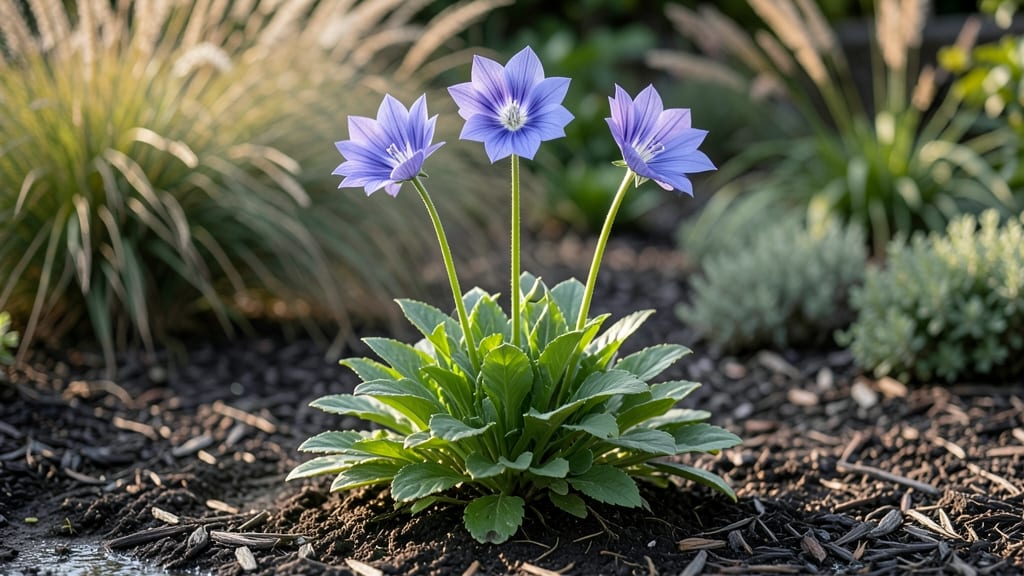
The balloon flower bloom time in your garden depends on your USDA zone and a few key growing conditions — but with the right timing, you can enjoy vibrant purple or white blooms from July through September.
Picture this: you’ve waited all spring, and now your 🌸 Balloon Flower is finally ready to burst into color. But if you’re in Zone 6a (like me), missing the planting window by even a few weeks could push those blooms later—or worse, leave you with flops instead of showstoppers.
Climate plays a huge role: cooler northern zones like mine see blooms starting in mid-July, while southern gardens may stretch them into early October. The trick? Planting in April–May after the last frost and giving them full sun—then watch as those iconic balloon-shaped buds swell into life.
In this guide, I’ll break down the exact months for your zone, plus pro tips to extend blooms, avoid common mistakes, and pair your Balloon Flowers with the perfect companions for a summer-long display.
Balloon flower bloom time by USDA Zone: exact months for peak color
Timing your balloon flower (Platycodon grandiflorus) blooms correctly ensures vibrant color from early summer to fall. These hardy perennials thrive across USDA Zones 3-9, but their bloom windows shift dramatically depending on your region.
Understanding these variations helps you plan companion plants and seasonal care for a showstopping display every year.
In cooler northern zones like Zones 3-5, balloon flowers often bloom slightly later due to longer winters. Meanwhile, southern regions in Zones 8-9 may see earlier blooms with potential second flushes. Climate factors like chill hours and spring rainfall also play crucial roles in triggering those iconic bell-shaped flowers.
🌸
| USDA Zone | Peak Bloom Window | Regional Notes | Planting Time |
|---|---|---|---|
| Zones 3-4 | Late June - Early August | Cooler climates; may need spring mulch for faster warming | April-May (after last frost) |
| Zones 5-6 | Mid-June - Mid-July | Classic mid-summer bloomer; Pacific Northwest blooms 2-3 weeks earlier | April-May |
| Zones 7-8 | May-June (early) + Sept-Oct (late) | Warmer zones may produce second flush in fall | March-April |
| Zone 9 | April-May (spring) + Sept-Oct (fall) | Longest bloom season with possible winter dormancy | February-March |
For gardeners in Zones 5-6, the classic mid-June to mid-July bloom window aligns perfectly with other summer favorites like black-eyed Susans and coneflowers. This timing creates stunning color contrasts in cottage gardens.
In the Pacific Northwest, expect blooms to arrive 2-3 weeks earlier than inland areas due to cooler maritime climates.
In warmer Zones 7-9, balloon flowers often surprise gardeners with two bloom cycles - one in spring and another in fall. This makes them ideal for extending your seasonal interest.
The spring blooms typically appear in May-June, while the fall rebloom occurs in September-October, just as other perennials begin fading.
Climate plays a surprising role in bloom timing. Areas with high humidity like the Southeast may see slightly delayed blooms, while arid Western regions often produce earlier flowers. To adjust for your local conditions, monitor your plant's foliage growth in spring - vigorous new growth usually predicts timely blooms.
🌿
When planning your garden layout, consider these bloom windows alongside other perennials. Pairing balloon flowers with early bloomers like columbines (March-April) and late-season asters (September-October) creates a seamless seasonal transition. For container gardens, choose compact varieties that bloom 2-3 weeks earlier than standard types to extend your display.
Pro tip: In Zones 3-4, protect newly planted balloon flowers with a light frost blanket during late spring frosts. This small investment can advance bloom time by 1-2 weeks by creating a warmer microclimate. The same technique works for Zone 5 gardeners experiencing late frosts.
For optimal results, plant balloon flowers in well-draining soil with full sun exposure. In Zones 8-9, provide afternoon shade during peak summer heat to prevent bud drop. This simple adjustment can mean the difference between sparse blooms and a lush, colorful display.
☀️
How to extend balloon flower bloom time with simple gardening hacks
If you’ve ever watched your balloon flower (Platycodon grandiflorus) put on a spectacular show—only to fade too soon—you’re not alone. The good news? With a few simple gardening hacks, you can stretch those vibrant blooms from July into October, especially in warmer zones.
I’ve tested these tricks in my Zone 6a garden, and they’ve added 3-4 extra weeks of color to my beds.
The secret lies in three key areas: deadheading, soil health, and smart watering. Balloon flowers are resilient, but they need a little help to keep producing.
For example, in my garden, I’ve noticed that consistent deadheading after blooms fade triggers new flower buds within 2-3 weeks, while neglecting this step can cut bloom time in half.
- 1 Deadhead spent blooms weekly to encourage new buds. Use clean pruning shears and cut just above the first set of leaves.
- 2 Amend soil with compost or aged manure in early spring to retain moisture and nutrients. Balloon flowers thrive in well-draining, slightly acidic soil (pH 6.0-7.0).
- 3 Water deeply once weekly (morning hours) to prevent stress from drought. Mulch with 2-3 inches of organic mulch to lock in moisture.
- 4 Plant near companion plants like catmint or lavender to deter pests (e.g., aphids) that weaken stems and reduce blooms.
- 5 Fertilize lightly with a balanced 5-10-10 formula in early June and August. Avoid high-nitrogen feeds, which promote foliage over flowers.
Zone-specific adjustments make all the difference. In cooler zones (3-5), focus on protecting roots with extra mulch in late summer to prevent early dormancy. Meanwhile, in warmer zones (7-9), provide afternoon shade during peak heat to prevent wilting.
I’ve also found that pruning back 1/3 of the plant after the first flush of blooms in late July encourages a second wave in September. This works especially well in Zone 7+, where summers are long enough to support reblooming.
For a pest-free display, interplant balloon flowers with marigolds or garlic chives. These companions repel common garden pests while adding complementary colors to your late-summer garden. 🌸
With these hacks, your balloon flowers will keep blooming longer and more abundantly, turning heads well into fall. The key is consistency—stick to the routine, and you’ll enjoy those iconic balloon-shaped blooms for weeks to come. ✂️