
Flowers
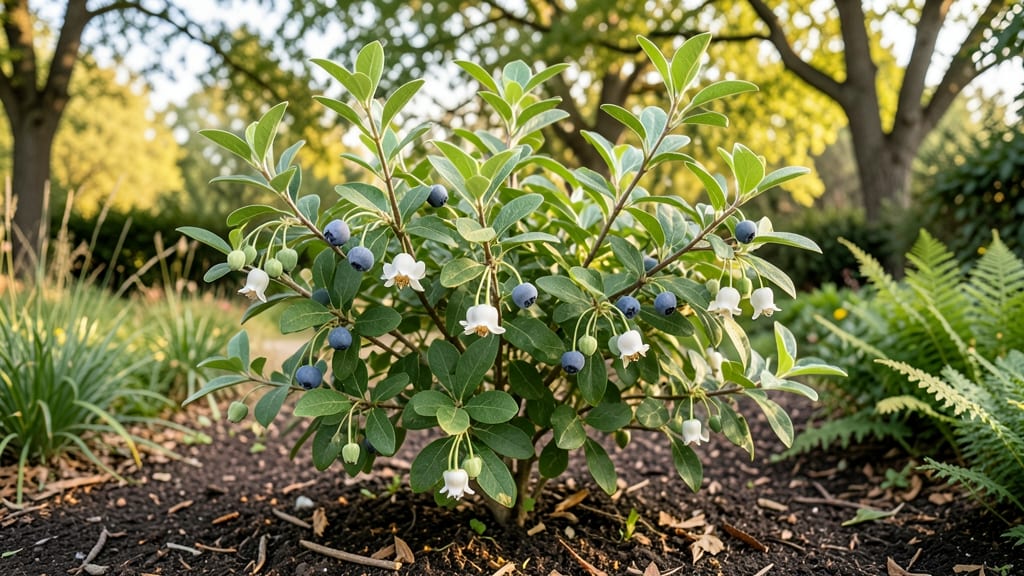
Blueberry flowers to fruit follow five precise stages 🫐—each one critical for a bountiful harvest.
Picture this: a spring morning where your blueberry bushes burst into delicate white or pink blossoms, only to have them vanish days later without a trace. That’s the moment you realize timing isn’t just helpful—it’s everything.
Every stage—from bud formation to ripening—depends on temperature, pollinators, and your care routine. Miss the mark, and you could end up with empty stems or berries that never fully ripen. But get it right, and you’ll watch those tiny flowers swell into sweet, juicy 🫐 by mid-summer.
Here’s how to track each milestone week by week, spot problems early, and ensure your blueberries go from bloom to basket without a hitch.
Week-by-week blueberry flower to fruit development stages explained
Understanding the blueberry flower to fruit transformation is key to predicting harvest times and troubleshooting issues. Each stage—from bud formation to ripening—has distinct visual cues and care requirements.
In northern climates (USDA Zone 5-6), this process typically spans 8-10 weeks, while southern climates (Zone 7-9) may see it unfold in 6-8 weeks due to warmer temperatures.
Blueberries are self-pollinating but benefit from cross-pollination for better fruit set. The journey begins with flower bud development in late winter, followed by blooming in spring. Each stage requires specific conditions—like consistent moisture and protection from frost—to ensure successful fruit development. Let’s break it down week-by-week.
During the bud formation stage (weeks 1-3), your blueberry shrubs will develop tight green buds along the branches. This is the perfect time to prune out dead or weak wood to encourage stronger growth.
In northern climates, late frosts can damage buds, so monitor weather forecasts closely. If frost is predicted, cover young buds with frost cloth or a light blanket.
The blooming stage (weeks 4-5) is when your blueberry flowers open, revealing delicate white or pink blossoms. This phase is highly frost-sensitive, especially in Zone 5-6. A single late frost can kill flowers and reduce your harvest.
If you’re in a southern climate, blooming may occur earlier, but heatwaves can also stress flowers. Ensure consistent watering and consider installing a shade cloth if temperatures exceed 90°F.
Once pollination occurs (weeks 6-8), you’ll notice tiny green berries forming. This is the fruit set stage, where cell division begins, and berries start to grow. To support this growth, increase watering frequency to maintain consistent soil moisture.
A lack of water during this phase can cause berries to drop. Additionally, apply a balanced fertilizer (like 10-10-10) to provide essential nutrients without overloading the plant with nitrogen.
By weeks 9-12, your blueberries enter the cell division and growth phase, where they rapidly enlarge and change color from green to pink or red. This is a critical time to adjust fertilization. Switch to a potassium-rich fertilizer
Critical factors that accelerate or delay blueberry ripening
Blueberries thrive when their growing conditions align with their natural needs, but small adjustments can make a big difference in ripening speed. The four critical factors—temperature, sunlight, watering, and soil pH—directly influence how quickly your flowers transform into ripe fruit.
For example, consistent warmth between 70-85°F speeds up cell division, while acidic soil (pH 4.5-5.5) unlocks nutrient absorption for faster growth.
If your blueberries are ripening too slowly, check your sunlight exposure. Blueberries need 6+ hours of direct sun daily, but too much heat without shade can stress the plant. Similarly, overwatering or underwatering disrupts the plant’s ability to absorb nutrients, causing delays.
Even the right fertilizer at the wrong time can stall ripening—too much nitrogen early on encourages leafy growth over fruit development.
Here’s how each factor plays a role in your blueberry’s journey from flower to fruit:
Factors Affecting Blueberry Ripening
- Temperature: 70-85°F
- Sunlight: 6+ hours/day
- Watering: Deep soak 2x/week
- Soil pH: 4.5-5.5 (acidic)
Ideal conditions for faster fruit development and higher yields.
- Temperature: Below 50°F or above 90°F
- Sunlight: Less than 4 hours/day
- Watering: Inconsistent or shallow
- Soil pH: Above 6.0 (alkaline)
Common mistakes that slow ripening or cause fruit drop.
Adjust these factors to optimize ripening speed and improve fruit quality.
Let’s start with temperature. Blueberries are sensitive to cold snaps after flowering—temperatures below 50°F can shock the plant and cause flower drop. Conversely, heatwaves above 90°F stress the plant, slowing fruit development. Use shade cloth during extreme heat to protect your bushes while maintaining airflow to prevent fungal issues.
Next, sunlight is non-negotiable. While blueberries love full sun, partial shade in hot climates can prevent sunburn while still providing enough light for ripening. If your bushes aren’t getting enough sun, consider pruning nearby trees or relocating them to a sunnier spot.
Even 2-3 hours less sunlight can delay ripening by up to 2 weeks.
Watering is another common pitfall. Blueberries need consistent moisture, especially during fruit set and ripening. Shallow watering encourages weak roots, while overwatering can lead to root rot. Aim for 1-2 gallons per plant every 3-5 days, watering deeply at the base to encourage root growth.
Mulch with pine needles or wood chips to retain moisture and acidify the soil naturally.
Finally, soil pH is the foundation of healthy ripening. Blueberries are acid-loving plants, thriving in soil with a pH of 4.5-5.5. If your soil is too alkaline (above 6.0), nutrients like iron and manganese become unavailable, stalling ripening.
Test your soil annually and amend it with sulfur or peat moss to maintain the ideal pH range. A simple soil test kit (available at garden centers) makes this easy to monitor.
By fine-tuning these four factors, you’ll see faster ripening, larger berries, and a more reliable harvest. Start with one adjustment—like testing your soil pH or adding mulch—and observe the difference in your blueberries’ growth cycle this season! 🫐