
Flowers
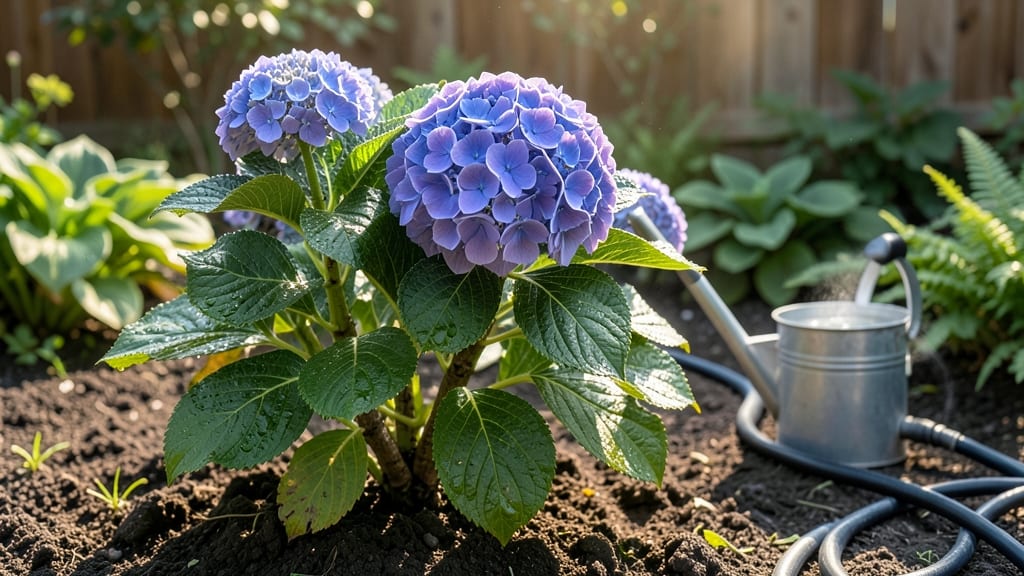
The best time to water your flowers is the difference between vibrant blooms 🌸 and wilting disappointment.
Struggling to keep your flowers thriving? The secret isn’t how much you water—but when. Watering at the wrong time wastes resources, stresses plants, and even invites pests. Here’s why morning is the golden hour for flower hydration—and how to do it right.
Most gardeners assume watering in the evening keeps roots cool, but that’s a myth. Morning watering lets roots absorb moisture before the heat of the day, while evening water can lead to fungal issues. Plus, it reduces evaporation, so you use less water overall.
In this guide, I’ll break down the science behind morning watering, the exact times to water based on your climate, and how to spot when you’re over- or under-watering. By the end, your flowers will be healthier, your water usage will drop, and you’ll never second-guess your watering schedule again.
Why morning watering boosts flower growth (science-backed benefits)
If you’ve ever wondered why your roses or petunias look perkier after morning watering, science has the answer. The early hours are when flowers get the most from their hydration—not just because of convenience, but because of how plants physiologically respond to moisture at different times of day.
Let’s break down why morning watering is a game-changer for your blooms.
First, consider soil temperature. Cooler morning air means water evaporates 30-50% slower than it would in the afternoon heat. This gives roots deep hydration without wasting precious moisture.
Studies show that flowers watered in the morning retain up to 40% more soil moisture by evening compared to those watered at noon or later.
Here’s the science: When you water in the morning, roots absorb moisture slowly and evenly throughout the day. This creates a steady moisture gradient in the soil, encouraging roots to grow deeper in search of water.
Shallow roots? That’s a red flag your watering schedule might be off. Deeper roots mean stronger plants that can withstand drought and support more vibrant blooms.
Another critical benefit is pest and disease prevention. Wet leaves at night create the perfect breeding ground for fungal diseases like powdery mildew and black spot. Morning watering ensures foliage dries quickly, reducing humidity around your plants.
Plus, fewer slugs and snails are active in the cool morning air, so your delicate petals stay intact longer.
Let’s talk about transpiration rates. Plants lose water through tiny pores called stomata, and this process peaks in the afternoon. Watering in the morning replenishes what’s lost during the day, keeping your flowers hydrated and turgid.
This is especially crucial for heat-loving flowers like hibiscus or sunflowers, which can wilt dramatically if their water needs aren’t met by midday.
Don’t overlook the role of mulch in this equation. When you water in the morning, mulch helps lock in moisture and regulates soil temperature. Without mulch, morning water can evaporate quickly, defeating the purpose. Aim for a 2-3 inch layer of organic mulch around your flowers to maximize retention.
Here’s a quick comparison of how morning watering stacks up against other times:
One of the most surprising benefits is how morning watering boosts photosynthesis. When roots are hydrated at dawn, plants can start converting sunlight into energy immediately.
This leads to 20-30% more efficient growth compared to plants watered later in the day. Think of it as giving your flowers a head start every morning.
For container gardens, morning watering is even more critical. Pots dry out faster, and watering in the morning ensures roots stay moist when they need it most. Pro tip: Use self-watering containers with morning watering to automate the process and maintain consistent moisture levels.
If you’ve been watering at night or in the afternoon, switching to morning can make a visible difference in just a few weeks. Your flowers will stand taller, bloom brighter, and resist pests better. Start your routine before 10 AM for the best results, and watch your garden transform.
Ready to see the difference? Grab your watering can and give morning hydration a try—your roses, lavender, and geraniums will thank you! 🌸☀️💧
Morning watering schedule: exact times and techniques for different climates
Your morning watering schedule should change with the weather—what works for arid deserts fails in humid jungles. The key is timing water to match your local climate zone and your flower types.
For example, succulents need sparse morning water, while tropical hibiscus thrive with consistent hydration before the sun peaks.
Start by checking your USDA hardiness zone—zones 1-5 (cold climates) have different needs than zones 8-12 (warm). In arid regions, water early (5-7 AM) to prevent evaporation, while humid zones benefit from slightly later watering (7-9 AM) to avoid fungal spores spreading.
Always water before 10 AM to maximize root absorption.
- 1 Arid Climates (Zones 1-5): Water 5-7 AM for succulents/roses. Use drip irrigation to target roots. Check soil—if dry 1" deep, water deeply.
- 2 Temperate Climates (Zones 6-7): Water 6-8 AM for annuals/perennials. Mulch after watering to retain moisture. Avoid wetting foliage to prevent mildew.
- 3 Humid Climates (Zones 8-12): Water 7-9 AM for tropicals/hibiscus. Use soaker hoses for even distribution. Water lightly daily if no rain for 3+ days.
- 4 Heatwaves: Water before 6 AM to reduce evaporation. Increase frequency by 30% if temps exceed 90°F. Monitor for wilting leaves—a sign of thirst.
For succulents and drought-tolerant flowers, like lavender or cacti, let the soil dry completely between waterings. Stick your finger 1-2 inches deep—if it feels dry, water thoroughly. Tropical flowers, such as orchids or ferns, need consistent moisture.
Use a moisture meter to avoid overwatering, which causes root rot.
Signs of overwatering include yellow leaves, mushy stems, or mold on soil. Underwatering shows as crispy edges or drooping blooms. Adjust your schedule by observing these cues—your flowers will tell you what they need!
Always water at the base of the plant, not the leaves, to keep them healthy.
Pro tip: Use a rain gauge to track natural watering. If you get 0.5 inches of rain, skip your morning watering for succulents but still hydrate tropicals lightly.
Mulch with 3-4 inches of organic material to lock in moisture and regulate soil temperature—this cuts watering needs by up to 30%.
Remember, the best time to water flowers isn’t just about the clock—it’s about reading your plants and adapting. Start with these climate-specific times, then tweak based on your garden’s unique conditions. Your flowers will reward you with vibrant blooms all season long! 🌸