
Planting
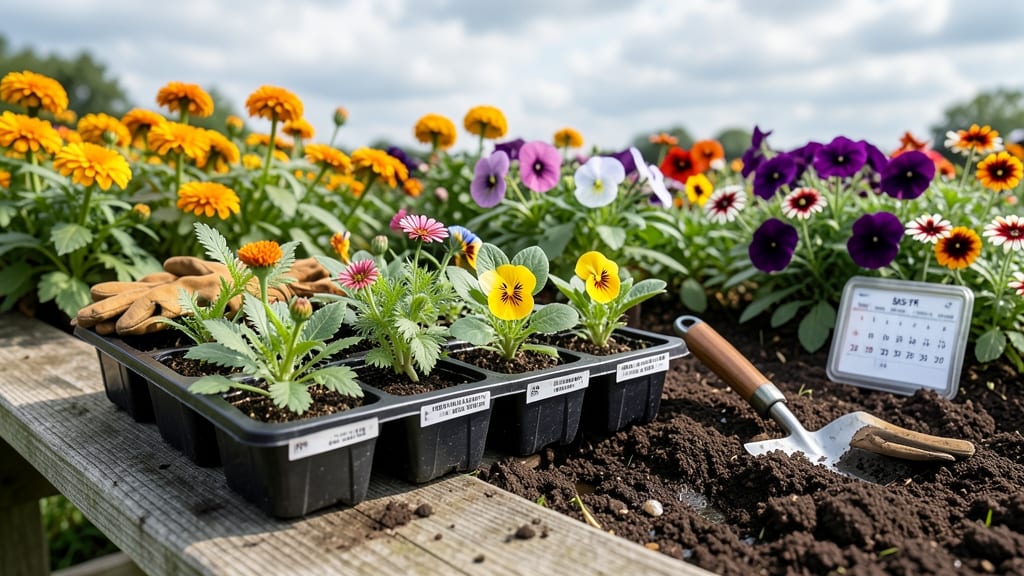
You can plant flowers outside once the soil warms to at least 60°F and all frost risk has passed 🌸 — a rule that changes dramatically from Zone 3 to Zone 10.
Timing your flower planting just right can mean the difference between a vibrant garden and a sad, frost-bitten disappointment—so knowing your local frost-free dates is non-negotiable.
In USDA Zone 6a, that window typically opens around mid-April, but coastal areas may see earlier dates, while inland spots could wait until late May.
Below, I break down the exact frost-free deadlines by zone, how to spot real readiness beyond the calendar, and smart tricks to extend your planting season—so you never miss a bloom.
Frost-free deadlines for planting flowers by US planting zones
Getting your flowers in the ground at the right time is like catching a wave—timing matters, and missing it can leave your garden struggling. The last frost date is your golden ticket to vibrant blooms, but it varies wildly across the country.
Whether you're in Zone 3 with its brutal winters or Zone 10 where frost is rare, knowing your local window ensures your annuals, perennials, and bulbs thrive. Let’s break down the frost-free deadlines by zone so you can plant with confidence.
Coastal areas often have earlier frost-free dates than inland regions due to the ocean’s moderating effect, while inland zones can experience delayed springs. For example, San Francisco (Zone 9) might be frost-free by early February, while Chicago (Zone 5) could still see frost in late May.
These variations mean your planting timeline isn’t one-size-fits-all—so let’s dive into the specifics for your zone.
📅 Key Dates to Know: - Early Spring Planting: Cold-hardy flowers like pansies or snapdragons can go in 4-6 weeks before last frost. - Mid-Spring Planting: Most annuals and perennials wait until after the last frost. - Late-Spring Planting: Heat-loving flowers like marigolds or zinnias can handle slightly warmer soil.
| USDA Zone | Last Frost Date (Avg.) | Early Spring Planting (Cold-Hardy) | Mid-Spring Planting (After Frost) | Late-Spring Planting (Heat-Lovers) |
|---|---|---|---|---|
| Zone 3 (e.g., Minneapolis) | May 10–20 | March 15–April 15 (pansies, sweet peas) | May 20–June 1 (petunias, geraniums) | June 1–15 (marigolds, zinnias) |
| Zone 4 (e.g., Detroit) | May 1–10 | March 20–April 10 (violas, snapdragons) | May 10–20 (impatiens, begonias) | May 25–June 10 (cosmos, sunflowers) |
| Zone 5 (e.g., Denver) | April 20–May 5 | March 1–April 1 (lupines, columbines) | May 5–15 (dahlias, zinnias) | May 20–June 1 (portulaca, lantana) |
| Zone 6 (e.g., Kansas City) | April 10–20 | February 15–March 15 (calendula, stock) | April 20–May 10 (salvia, petunias) | May 15–June 1 (gerbera daisies) |
| Zone 7 (e.g., Washington, DC) | March 20–April 5 | January 15–February 15 (pansies, sweet alyssum) | April 5–15 (begonias, impatiens) | April 20–May 10 (sunflowers, marigolds) |
| Zone 8 (e.g., Atlanta) | February 15–March 1 | December 15–January 15 (calendula, snapdragons) | March 1–15 (petunias, zinnias) | March 20–April 10 (geraniums, cosmos) |
| Zone 9 (e.g., Los Angeles) | January 1–15 | November 1–December 15 (pansies, sweet peas) | January 15–February 15 (begonias, impatiens) | February 1–March 15 (marigolds, sunflowers) |
| Zone 10 (e.g., Miami) | December 1–January 15 (rare) | September–October (cool-season flowers) | January–March (tropical flowers) | April–May (heat-tolerant annuals) |
*Coastal areas may have 2–4 weeks earlier deadlines than inland zones.
If you’re in
How to adjust flower planting for early, mid, and late spring
Spring’s unpredictable weather makes flower planting tricky—especially when late frosts can turn tender seedlings into sad, mushy memories. The key is adapting your approach based on when you plant, not just what you plant.
Early spring? Focus on cold-hardy varieties and protective hacks. Mid-spring? It’s go-time for most flowers. Late spring? Use succession planting to keep blooms coming.
Your local frost dates are your starting point, but microclimates and container flexibility can shift those timelines dramatically. For example, a south-facing wall might warm up weeks earlier than your open garden bed. Meanwhile, heavy soils take longer to thaw than sandy loam.
Let’s break down how to adjust your planting strategy for each phase of spring—plus how to handle those "just in case" moments when Mother Nature throws a curveball.
Early Spring (Before Last Frost): Plant cold-hardy annuals like pansies, snapdragons, or calendula 4-6 weeks before your last frost date. Use row covers or cold frames to protect tender seedlings.
Mid-Spring (Around Frost Date): Transition to heat-loving annuals like marigolds, zinnia, or cosmos once soil reaches 50°F+. Harden off seedlings gradually to avoid shock.
Late Spring (After Frost): Plant heat-sensitive perennials like black-eyed Susans or coneflowers after May 15 in most zones. Prioritize succession planting for continuous blooms.
Container Gardening Hack: Move pots to warmer microclimates (e.g., patios, garages) at night if frost threatens. Use black plastic mulch to warm soil faster in containers.
Emergency Measure: If frost hits unexpectedly, cover plants with old blankets or burlap sacks and weigh them down. Remove covers as soon as temps rise to avoid overheating.
For early spring, I swear by succession sowing in containers. Start basil and petunias indoors 8-10 weeks before your last frost, then transplant them into pots. When nighttime temps stay above 50°F, move the containers outside during the day and bring them back in at night.
This buys you 2-3 extra weeks of growing time before the soil is safe for direct planting.
Mid-spring is when most gardeners rush to plant everything at once—but that’s a recipe for overcrowded beds and missed blooms. Instead, stagger your plantings every 2 weeks. For example, sow cosmos seeds in early May, then repeat in late May and early June.
This ensures a continuous display instead of a single burst of color followed by bare stems.
Don’t overlook perennial flowers for late spring planting! Many, like shasta daisies or daylilies, can handle being planted up to 6 weeks after your last frost. The key is to water deeply and mulch heavily to help roots establish before summer heat sets in.
I’ve had black-eyed Susans thrive when planted in June with just a little extra TLC.
When in doubt, observe your local indicators: lilac blooms signal safe planting for most flowers, while soil thermometers (under $10!) confirm when roots can thrive. Pair that with a frost prediction app, and you’ll outsmart even the trickiest spring weather. Happy planting!