
Shrubs
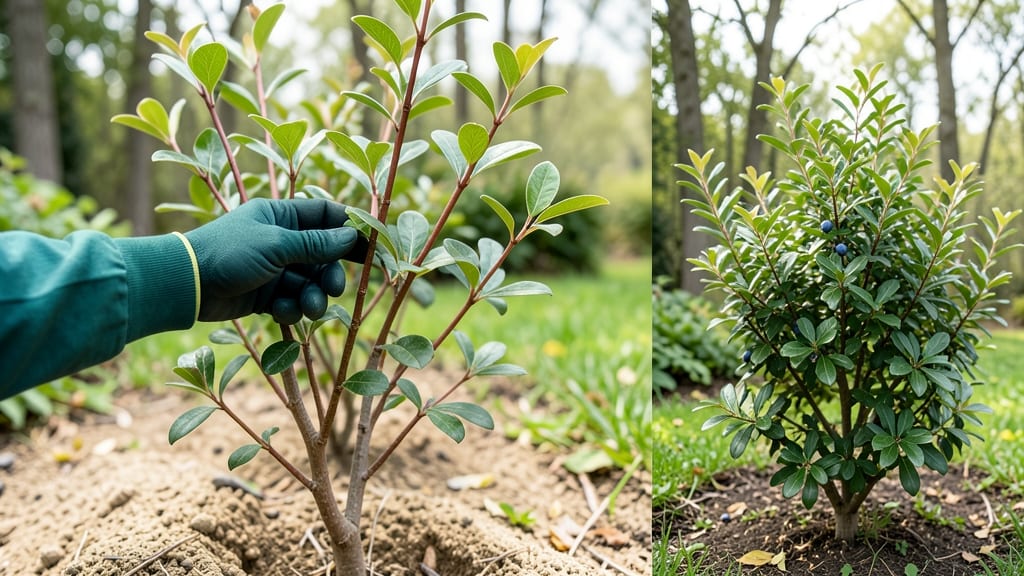
A blueberry bush not flowering can turn your patient gardening into a waiting game with no payoff—but there’s always a fix behind the lack of blooms.
Your 🫐 might be loaded with leaves but starving for blooms—and without flowers, there are no berries. Whether it’s a young plant holding back, a soil pH that’s too high, or last winter’s pruning mistakes, the clues are in the plant’s behavior.
Let’s diagnose the issue and get those flower buds back on track before next season.
From adjusting your pruning schedule to testing your soil’s acidity, small tweaks can make a huge difference. Even the variety of blueberry you’ve planted plays a role—some need cross-pollination, while others thrive alone.
I’ll walk you through the most common reasons your bush is skipping this critical step and how to encourage it to bloom like crazy.
By the end, you’ll know exactly what your blueberry bush needs to go from leafy but barren to a fruit-bearing powerhouse. No more empty branches—just a bountiful harvest waiting for you.
5 Common reasons your blueberry bush isn’t flowering (and how to fix them)
If your blueberry bush is thriving with green leaves but refusing to produce flowers, don’t panic—this is a fixable issue. The key is identifying the root cause, whether it’s age-related dormancy, improper pruning techniques, or overlooked nutrient needs.
Without flowers, there are no berries, so let’s diagnose and restore your bush’s blooming potential before next season.
Blueberries are finicky about their care, and even small mistakes can delay or prevent flowering. For example, young bushes (under 3 years old) often focus on root and stem growth rather than producing flowers.
Meanwhile, over-pruning or poor sunlight exposure can also derail the flowering process. Let’s break down the top 5 culprits and how to address them.
- 1 Age-Related Dormancy: Young bushes (<3 years) prioritize growth over flowers. Wait patiently or use acidic fertilizer to encourage flowering.
- 2 Improper Pruning: Over-pruning removes flower buds hidden in old wood. Prune only in late winter/early spring, keeping 1/3 of old canes for next year’s blooms.
- 3 Nutrient Deficiencies: Low soil pH (below 4.5) or lack of magnesium/potassium stunts flowering. Test soil and amend with peat moss or Epsom salt.
- 4 Insufficient Sunlight: Blueberries need 6+ hours of sun daily. Move bushes to sunnier spots or supplement with grow lights if indoors.
- 5 Variety-Specific Needs: Southern cultivars (e.g., rabbiteye) need warmer winters, while northern types (e.g., Bluecrop) thrive in cooler climates. Choose the right variety for your USDA zone.
First, check your blueberry bush’s age. If it’s younger than 3 years, it’s likely still focusing on establishing roots and stems. During this time, avoid heavy pruning or excessive fertilization, as these can delay flowering.
Instead, focus on maintaining acidic soil (pH 4.5–5.5) and providing consistent moisture. For older bushes, age-related dormancy is less likely, so shift your focus to other factors like pruning or sunlight.
Next, examine your pruning habits. Blueberries flower on old wood, meaning last year’s growth holds next year’s blooms. If you’ve been pruning too aggressively—especially in late summer or fall—you may have accidentally removed these critical buds.
Always prune in late winter or early spring, and never cut back more than 1/3 of the plant’s canes. Leave the oldest canes (5–6 years) for maximum flowering potential.
Soil health is another critical factor. Blueberries are acid-loving plants, and a pH above 5.5 can stunt growth and prevent flowering. Test your soil using a home pH kit or send a sample to your local cooperative extension service.
If the pH is too high, amend the soil with sulfur, peat moss, or pine needles. Additionally, a deficiency in magnesium or potassium can reduce flowering. Apply a balanced acidic fertilizer (like 10-10-10) in early spring to encourage blooms.
Light exposure is often overlooked but crucial for flowering. Blueberries require full sun (6+ hours daily). If your bush is shaded by trees or buildings, it may struggle to produce flowers.
Consider relocating the plant to a sunnier spot or supplementing with artificial grow lights if you’re growing indoors. Even partial shade can reduce flowering, so prioritize a south-facing location for optimal results.
Finally, don’t overlook the role of variety-specific needs. Not all blueberries thrive in the same climate. For example, southern highbush varieties (like ‘Southern Highbush’) need warmer winters, while northern highbush types (like ‘Bluecrop’) prefer cooler
Best pruning and care schedule to encourage blueberry flowers
Blueberry bushes thrive on routine, and a consistent pruning and care schedule is the key to unlocking those coveted springtime flowers. Many gardeners overlook seasonal timing, which can leave their bushes looking healthy but flowerless.
The good news? With a few strategic adjustments to your pruning, feeding, and winter prep, you can transform next year’s growth into a bloom bonanza.
Start by understanding that blueberries flower on wood from the previous year. If you prune too aggressively, you’re essentially cutting off potential bloom sites. The solution? A gentle, seasonal approach that prioritizes structure, light penetration, and nutrient balance.
Let’s break it down into actionable steps so you can get your bush back on track—no guesswork required.
🌱 Step-by-Step Care Schedule for Blueberry Blooms
- Late Winter (February): Prune out dead or diseased wood and shape the bush to open the center. Use sterilized shears to avoid spreading pathogens.
- Early Spring (March): Apply a balanced, acid-forming fertilizer (like 16-4-8) to replenish nutrients. Water deeply to activate root growth before blooming begins.
- Spring (April-May): Lightly prune water sprouts (vigorous vertical shoots) to redirect energy to flower production. Mulch with pine needles or peat to maintain soil acidity.
- Summer (June-July): Avoid heavy pruning—focus on removing only diseased branches. Increase watering during fruit set to prevent stress. A foliar spray of micronutrients can boost flower bud formation.
- Fall (October): Add a 2-3 inch layer of mulch to insulate roots. Test soil pH—aim for 4.5–5.5. If too high, amend with sulfur or peat moss.
- Winter (December-February): Protect young bushes with burlap wraps in cold climates. Avoid pruning—let the bush rest and store energy for next year’s blooms.
One of the biggest mistakes I see is pruning at the wrong time. For example, cutting back hard in late winter removes next year’s flower buds, which form on old wood.
Instead, focus on shaping and cleaning up during dormancy, then let the bush recover before spring’s growth surge. This two-step approach keeps your bush productive without sacrificing blooms.
Don’t overlook the power of mulching—it’s not just about weed control. A thick layer of organic mulch (like pine straw) helps maintain soil acidity and retains moisture, both of which are critical for flower development.
I’ve seen bushes in full sun with perfect mulch produce 30% more blooms than those left bare.
Finally, remember that patience is key. Young blueberry bushes (under 3 years old) often focus on leaf growth before flowering. If yours is still in this phase, resist the urge to prune aggressively—let it establish its root system first.
With the right care, you’ll see those pink spring blooms within 2–3 seasons.
By following this schedule, you’ll create the ideal conditions for your blueberry bush to thrive and flower—no more empty branches, just a fruit-laden future waiting for you. 🌿