
Planting
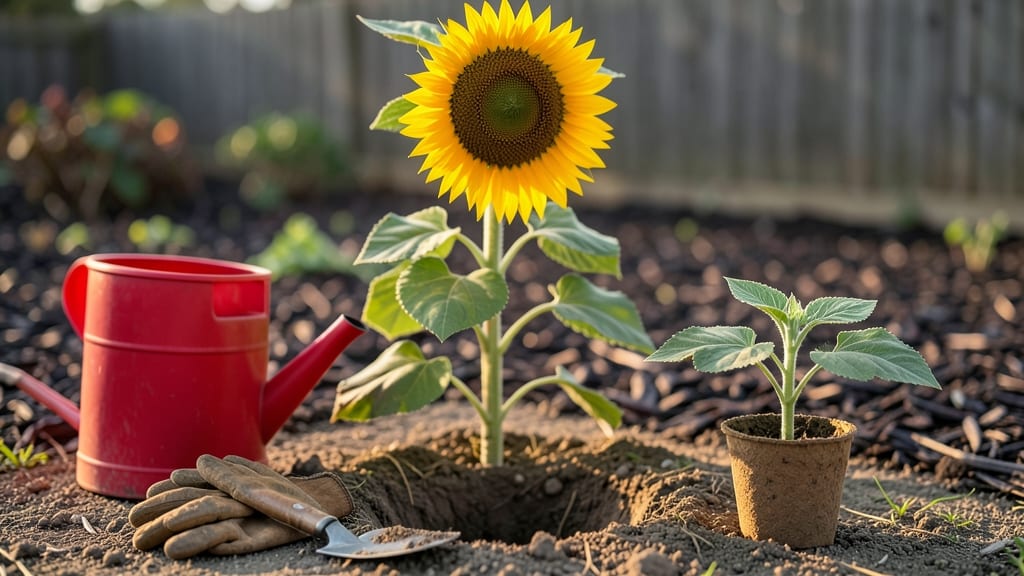
Planting sunflowers in June is absolutely possible — with the right varieties and care, you can still grow tall, vibrant 🌻 stalks that bloom late in the season.
June sunflowers might seem like a gamble—hotter days, shorter growing seasons—but with the right timing and care, you can still grow stunning, sturdy sunflowers that thrive despite the late start. The key? Choosing fast-maturing varieties and giving them extra attention to compensate for the heat.
In USDA Zone 6a and warmer, June planting works best for dwarf or semi-dwarf types that mature in 60 days or less. These varieties skip the long wait for giant blooms and focus on quick, heat-resistant growth.
Just be prepared for smaller heads or later harvests if your season is short.
Below, I’ll walk you through the best sunflower types for late planting, how to prep your soil for summer heat, and the 3 critical care steps that make all the difference between a flop and a flourish.


June sunflower planting: ideal varieties and climate considerations
Planting sunflowers in June is absolutely doable if you choose the right varieties and understand your local climate. While traditional planting occurs in spring, late-season options can still produce vibrant blooms and edible seeds before frost.
The key lies in selecting fast-maturing and heat-tolerant varieties that thrive in shorter growing seasons.
Your success hinges on two critical factors: frost dates and sunflower maturity timelines. Most sunflowers need 60-90 days to reach harvest, so late June plantings in Zone 5 or colder may struggle.
However, in Zones 6-10, June can work beautifully with the right approach. Let's explore the best options for your region.
⚠️ CRITICAL FACTOR: Always calculate your frost-free days by subtracting your first frost date from your last frost date. For example, if your first frost is October 15 and last frost was April 15, you have 180 days—perfect for fast varieties.
| Variety | Days to Mature | Height (ft) | Heat Tolerance | Best For |
|---|---|---|---|---|
| 'Autumn Beauty' | 56-60 | 3-5 | Excellent | Containers, small gardens |
| 'Moulin Rouge' | 60-65 | 5-6 | Very High | Cut flowers, heat zones |
| 'Teddy Bear' | 50-55 | 1-2 | High | Dwarf varieties, kids' gardens |
| 'ProCut Hybrid' | 65-70 | 6-8 | Good | Floral arrangements |
| 'Russian Giant' | 90-120 | 10-16 | Moderate | Long seasons only (Zones 7+) |
For northern climates (Zones 3-5), focus on dwarf varieties like 'Teddy Bear' or 'Autumn Beauty' that mature in 50-60 days. These can finish before early frosts while still producing vibrant blooms.
In Zones 6-8, you have more flexibility—try 'Moulin Rouge' or 'ProCut Hybrid' for both heat tolerance and long vase life.
If you're in Zone 9-10, June planting is ideal for fall harvests. The longer daylight and warmer nights create perfect conditions. Just be mindful of bolt risk—some varieties may flower too quickly in extreme heat. Always check seed packets for days-to-maturity guidelines and adjust spacing accordingly.
Another pro tip: Direct sow seeds in June rather than transplanting seedlings. Sunflowers have delicate taproots that transplant poorly, and June heat can stress young plants. Plant seeds 1 inch deep and 6 inches apart, then thin to 12-24 inches as they grow.
This gives them room to establish before competitive weeds take over.
Don't overlook soil preparation—June planting means working with warmer soil that may have lost moisture. Amend your garden with compost or well-rotted manure to improve water retention and nutrient availability. A mulch layer (2-3 inches of straw) will help retain moisture and regulate soil temperature.
For container gardeners, choose dwarf varieties in 5-gallon pots minimum. Use a lightweight potting mix with added perlite for drainage. Place containers in full sun (6+ hours daily) and water deeply every 2-3 days. Containers dry out faster in June's heat, so monitor soil moisture closely.
Remember: June sunflowers may not reach their full height potential, but they'll still produce colorful blo
How to maximize growth: watering, soil, and sunlight tips for June plantings
June sunflowers need specialized care to compensate for summer heat and shorter daylight. The key is deep watering, nutrient-rich soil, and maximizing sunlight exposure. Without these, your sunflowers will struggle to reach their full potential—or worse, bolt prematurely.
Start with well-draining soil enriched with compost or aged manure. Sunflowers are heavy feeders, so mix in a balanced fertilizer (5-10-10) at planting. This gives them the boost they need to grow tall and sturdy despite the late start.
Here’s how to optimize each critical factor for June plantings:
- 1. Deep Watering Schedule: Water sunflowers every 2-3 days in June, delivering 1-2 gallons per plant. Focus on the root zone—avoid wetting leaves to prevent fungal diseases. Early morning watering (before 10 AM) reduces evaporation and keeps roots cool.
- 2. Soil Enrichment: Amend soil with compost or worm castings to retain moisture and improve drainage. Add a mulch layer (2-3 inches) of straw or wood chips to lock in moisture and regulate soil temperature. This is especially critical in USDA Zone 6a where summer heat can dry out soil quickly.
- 3. Sunlight Optimization: Place sunflowers in the sunniest spot available, ideally 6+ hours of direct sunlight daily. If your garden lacks full sun, consider a south-facing raised bed or use reflective surfaces (like white gravel) to bounce extra light onto the plants. June’s shorter daylight hours mean every minute of sun counts.
- 4. Heat Protection: Shield young seedlings from intense afternoon sun with shade cloth (30-50%) until they reach 6 inches tall. This prevents heat stress and bolting. Once established, sunflowers tolerate heat well, but early protection ensures stronger stems.
- 5. Fertilizer Boost: Apply a light feed (1 tbsp 5-10-10 fertilizer) 4-6 weeks after planting to support flowering. Avoid over-fertilizing, which can lead to weak stems. Focus on phosphorus and potassium to encourage root and flower development.
Don’t forget to thin seedlings to 12-24 inches apart as they grow. Crowded sunflowers compete for nutrients and sunlight, leading to weaker stalks. If you’re in a warmer climate (Zone 7+), opt for heat-tolerant varieties like ‘Autumn Beauty’ or ‘Moulin Rouge’—they handle late-season heat better than traditional types.
With these adjustments, your June-planted sunflowers will reward you with bold blooms and sturdy stalks, even if they bloom later in the season. Monitor for pests like sunflower moths and treat early with neem oil if needed. A little extra care goes a long way when planting late!