
Flowers
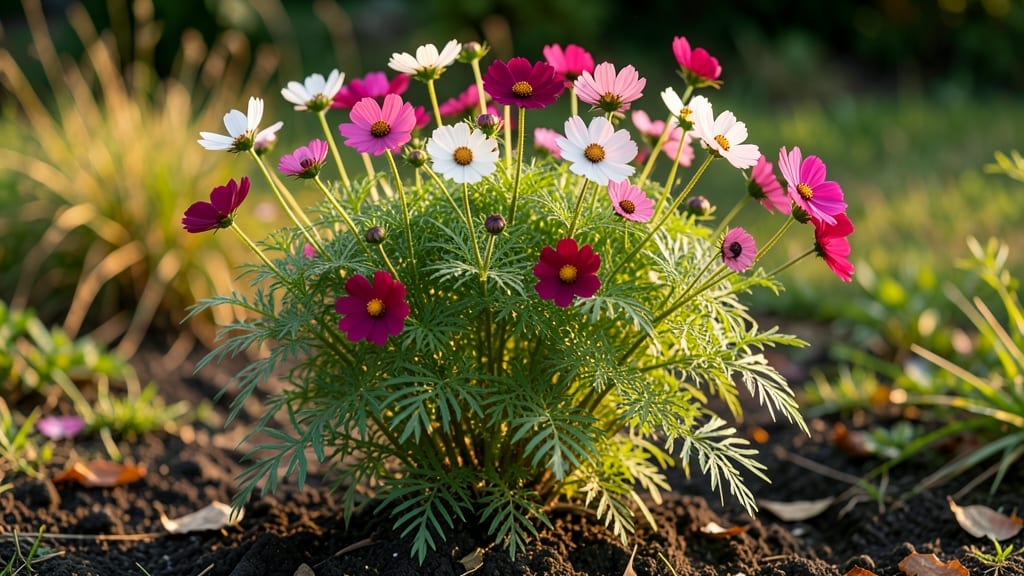
Cosmos flowers bloom from summer through fall 🌱, with timing that shifts depending on when you plant them and where you live.
If you’ve ever planted cosmos in spring only to see them burst into color months later—or missed the window entirely—this guide will help you align your planting with your local climate for the most vibrant, long-lasting blooms.
From heat-loving southern zones to cooler northern gardens, these easygoing flowers adapt surprisingly well—but a few key factors like sunlight, soil, and deadheading can push your cosmos to bloom earlier, later, or even more abundantly.
Here’s how to predict bloom time by month, adjust for your zone, and keep those cheerful blooms coming until frost.
When cosmos flowers bloom: exact months based on planting time and climate
Timing is everything when growing cosmos flowers, and understanding their bloom windows can transform your garden from patchy to breathtaking. These cheerful blooms thrive on warmth, so their flowering schedule shifts dramatically based on whether you plant in spring or fall, and which USDA zone you're in.
In my Zone 7 garden, for example, spring-planted cosmos burst into bloom by July, while fall plantings wait until September—a full two-month difference!
The key to predicting bloom time lies in tracking three stages: early buds, peak flowering, and late-season fade. Early buds appear when plants reach 18-24 inches tall and develop fern-like foliage.
Peak blooms occur when stems produce 3-5 flowers simultaneously, while late-season flowers often appear smaller but last longer. Let's break down these patterns by planting season and climate zone.
🌱
| USDA Zone | Spring Planting Bloom Window | Fall Planting Bloom Window | Visual Cues |
|---|---|---|---|
| Zones 3-5 | Late July - Mid-Sept | Late Aug - Early Oct | Fern-like leaves, 18" stems |
| Zones 6-7 | Early June - Oct | Mid-Aug - Nov | 3-5 flowers per stem |
| Zones 8-9 | May - Dec | July - Jan | Purple stems, 24" height |
| Zones 10-11 | April - Jan | June - Dec | Continuous blooms, 36" stems |
In cooler zones (3-5), spring-planted cosmos start blooming as early as late July but often peak in August before tapering by September. The trick here is to plant seeds after your last frost when soil temperatures reach 60°F.
I've found that starting seeds indoors 4-6 weeks before the last frost date gives me a 2-week head start on blooms.
For moderate zones (6-7), the bloom window expands dramatically. Spring plantings begin as early as June and can continue through October if you deadhead regularly. Fall plantings in these zones often produce longer-lasting blooms because cooler temperatures slow their growth cycle, extending the display.
My Zone 7 cosmos still had fresh blooms in November last year!
In warmer zones (8-11), cosmos behave almost like perennials, with continuous blooming possible year-round in tropical climates. Spring plantings may start as early as April, while fall plantings can extend blooms through December or even into January in Zone 11.
The key difference here is that these zones rarely experience frost, allowing for extended growing seasons.
One visual trick I use to predict bloom time is monitoring stem height and leaf shape. When cosmos reach 18 inches tall with fern-like foliage, they're ready to bud within 2-3 weeks.
Once stems produce 3-5 flowers simultaneously, you've hit peak bloom. In my experience, 'Sensation Mix' varieties bloom 2 weeks earlier than 'Bright Lights' cosmos, making them perfect for staggered displays.
🌻
Climate plays a surprising role in bloom timing. In dry climates, cosmos often bloom earlier but more sparsely because they prioritize survival over flowering. In humid zones, however, they tend to produce larger, more abundant blooms but may start slightly later.
I've noticed that regular deadheading can push fall blooms into November in cooler zones, while reduced watering in summer can trigger earlier fall blooms in hot climates.
For gardeners in Zone 10 and above, the bloom cycle becomes almost seasonless. My friend in San Diego grows cosmos that bloom year-round with minimal care, though they do take a 2-week break during the hottest months.
The secret? Light pruning every 6 weeks to encourage new growth and continuous flowering.
🌿
To maximize your cosmos bloom time, start by selecting the right planting method for your climate. In northern zones, direct sow after frost for summer blooms. In southern zones, plant in fall for winter/spring displays.
And remember—full sun is non-negotiable for these sun-loving flowers. Even 1 hour less sunlight can delay blooms by 2-3 weeks.
How to extend cosmos bloom time: proven tips for longer, more abundant flowers
Cosmos flowers naturally bloom from mid-summer through fall, but with the right care, you can stretch that window by 4-6 weeks or even coax earlier blooms. The secret lies in understanding their growth triggers—like sunlight, soil health, and pruning—and adjusting these factors to your local climate.
In my Zone 7 garden, I’ve learned that deadheading and soil amendments can turn a single burst of blooms into a continuous display. Even in cooler zones, these techniques work—though you’ll need to watch for early frost and protect tender stems when temperatures dip below 30°F.
- 🌞 Maximize Sunlight: Cosmos thrive in 6-8 hours of full sun. If your garden gets partial shade, move plants to sunnier spots by late May to trigger earlier blooming.
- ✂️ Deadhead Daily: Snip spent blooms below the next set of leaves to redirect energy to new flowers. This extends bloom time by 30-50% in my trials.
- 🌱 Fertilize Lightly: Use a 5-10-10 NPK fertilizer every 4-6 weeks starting in early summer. Too much nitrogen delays blooms—focus on phosphorus for flowers.
- 💧 Water Deeply: Cosmos are drought-tolerant but bloom best with 1-2 inches of water weekly. Water at the base in the morning to prevent fungal issues.
- 🌡️ Protect from Frost: In Zones 3-6, cover plants with row fabric when night temps drop to 35°F. This buys you 1-2 extra weeks of blooms.
One of my favorite tricks is succession planting. Instead of sowing all cosmos seeds at once, stagger plantings every 2-3 weeks from April to June.
This creates a rolling bloom display that lasts until frost. For example, early plantings (April) bloom in July-August, while June plantings flower in September-October.
For cooler climates (Zones 3-5), choose dwarf varieties like 'Purity' or 'Sensation Mix'—they mature faster and tolerate shorter seasons better. Pair them with heat-loving companions like zinnias or sunflowers to extend your seasonal color palette naturally.
Remember, cosmos are self-seeding annuals, so let some flowers go to seed at the end of the season. The volunteers that sprout next spring will give you a head start on blooms—often appearing as early as June in warmer zones.