
Flowers
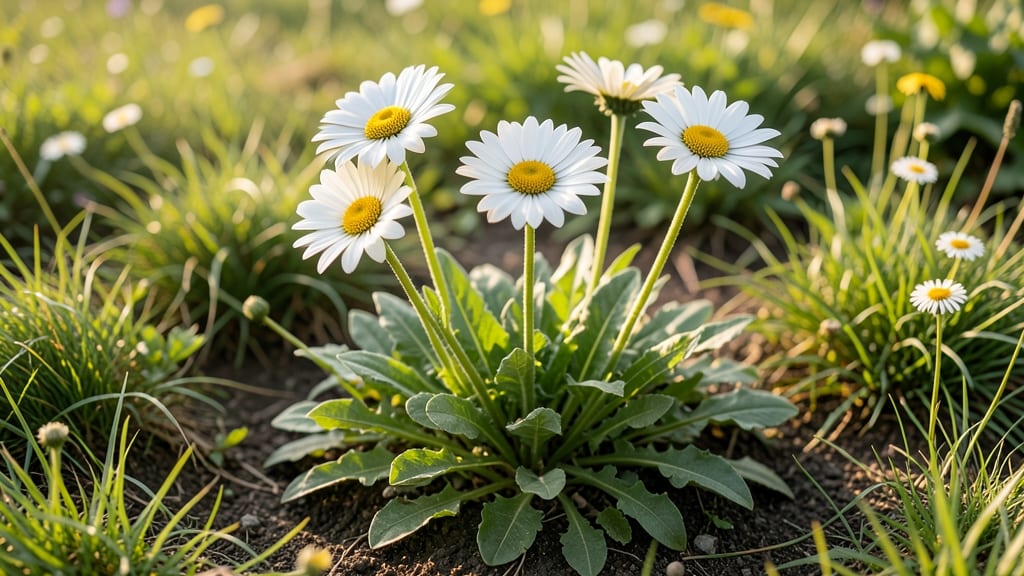
The daisy flower season is all about timing—planting too early risks frost, too late and you miss the summer show. 🌼 Whether you’re dreaming of cheerful borders or cutting flowers for bouquets, knowing when your zone’s daisies wake up (and how to keep them blooming) makes the difference between a few straggly stems and a garden full of color.
Picture this: June to September in most of the U.S., but in colder zones like 6a, those blooms start earlier—sometimes as soon as late May if you plant in March.
Skip the guesswork, and you’ll have daisies greeting every visitor, not wilting in the heat or freezing before they open.
Here’s the secret: perennial daisies (like Shasta) return year after year if you plant them right, while annuals (like Gerbera) need a succession planting trick to stretch their season.
I’ll break down the exact months for your zone, the varieties that thrive in heat vs. cool, and how to deadhead for nonstop blooms—no green thumb required.
Ready to turn your garden into a daisy paradise? You’ll learn how to extend the season, pick the best varieties for your climate, and keep those petals popping from spring through fall—without the trial-and-error.
Daisy flower season by USDA zone: when to plant for peak blooms
Timing your daisy flower season correctly ensures vibrant blooms that last from early summer to frost. Different varieties thrive in specific USDA zones, with some handling cold snaps while others need warmth to flourish.
Whether you're planting Shasta daisies in Zone 5 or African daisies in Zone 10, knowing the right window transforms your garden from mediocre to breathtaking.
Cold-hardy perennials like Oxeye daisies can survive winters in Zones 3-9, while tropical Gerbera daisies in Zones 10-11 need consistent warmth. Annual varieties, such as Painted daisies, offer flexibility but require precise timing to maximize their bloom seasons.
Let's break down the ideal planting windows by zone to help you plan for peak color.
🌱 Key Takeaway: Most daisies bloom in late spring to early fall, but planting time varies by USDA zone and variety. Perennials establish roots in spring, while annuals thrive with summer heat.
| USDA Zone | Best Planting Window | Bloom Season | Cold-Hardy Varieties | Heat-Sensitive Varieties |
|---|---|---|---|---|
| 3-5 | Early spring (April) | June–September | Shasta daisies, Oxeye daisies | None (too cold) |
| 6-8 | Late spring (May) | July–October | Gerbera daisies, Coneflowers | African daisies (container-grown) |
| 9-11 | Fall or early spring (Feb-Mar) | March–November | Painted daisies, Coreopsis | Gerbera daisies, African daisies |
In USDA Zones 3-5, focus on cold-hardy perennials like Shasta daisies, which thrive when planted in early spring (April). These varieties establish roots before summer heat arrives, ensuring peak blooms from June to September.
Use mulch in fall to protect roots from freezing temperatures, which can delay spring growth.
For Zones 6-8, late spring planting (May) works best for annual daisies like Gerbera daisies and Oxeye daisies. These zones enjoy longer growing seasons, allowing blooms to stretch from July to October.
If you're growing heat-sensitive varieties, provide afternoon shade during peak summer months to prevent wilting.
In warmer Zones 9-11, daisies can bloom nearly year-round, but fall planting (September-October) or early spring (February-March) yields the best results. African daisies and Painted daisies thrive in these zones but may struggle with frost.
Use container gardening to move sensitive plants indoors during cold snaps, extending their bloom season by months.
Pro tip: Deadhead spent blooms regularly to encourage continuous flowering. For perennials, cut back foliage in late fall to prevent disease and promote fresh growth in spring. Annuals, like Gerbera daisies, benefit from succession planting—sow new seeds every 4-6 weeks for non-stop color.
🌿 Zone-Specific Tip: In Zone 10, where frost is rare, African daisies can bloom almost year-round. Pair them with succulents for a drought-tolerant, low-maintenance border.
To maximize your daisy flower season, align planting with local last frost dates. Check your USDA zone map and adjust by 2-4 weeks if you're in a microclimate (e.g., near a large body of water).
For example, Zone 7 gardeners in coastal areas might plant 1-2 weeks earlier than inland counterparts due to milder temperatures.
🌼 Final Thought: Experiment with mixed daisy varieties to create a continuous bloom season. Start with early bloomers like Oxeye daisies (June), add mid-season favorites like Shasta daisies (July-August), and finish with late-season stars like Autumn Joy sedum (September-October).
Top 5 daisy varieties and their unique bloom seasons
Daisies aren't just one type—they're a vibrant family with distinct bloom seasons and colors. Whether you crave summer-long blooms or fall interest, choosing the right variety ensures year-round garden charm. I’ve selected five standout daisies that deliver seasonal variety and easy care.
From the bold Gerbera daisies that thrive in heat to the hardy Shasta daisies that brave cooler climates, each type has its own peak bloom window.
Some even extend their show into autumn, like the striking 'Autumn Joy' sedum. Let’s explore their unique seasons and how to keep them flourishing.
If you love extended bloom seasons, the Autumn Joy sedum is a game-changer. Its fall color shift from pink to copper keeps your garden lively when many plants fade. For summer-long color, Gerbera daisies deliver bold hues but need heat protection in zones above 10.
For low-maintenance beauty, Oxeye daisies thrive in drought conditions and attract pollinators. Their white blooms with yellow centers create a cottage-garden look with minimal effort. I’ve found they naturalize beautifully in USDA zones 4-9, making them ideal for wildflower meadows.
To maximize your daisy flower season, pair early bloomers like Painted Daisies with late-season stars like Autumn Joy. This creates a continuous color show from June through frost. Just remember: deadhead regularly to encourage new blooms and mulch in fall to protect roots.
Which daisy variety will you try first? My garden always gets requests for Autumn Joy sedum—its fall foliage is just as stunning as its blooms! 🌼