
Blooming
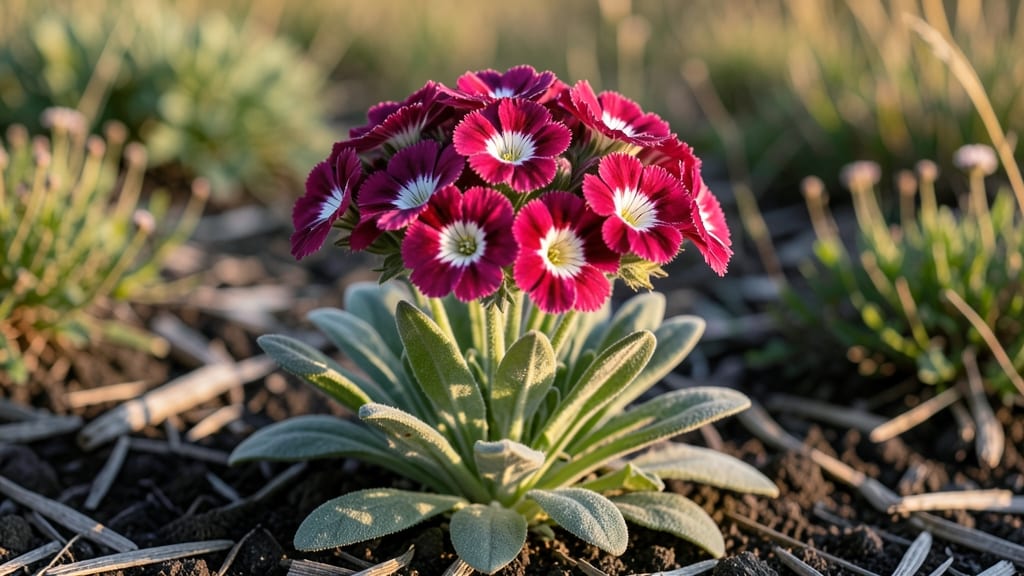
Dianthus plants burst into vibrant color during their flowering season, typically from June through August in most temperate regions, but timing can shift depending on your variety and climate zone.
If you love vibrant blooms but struggle to time your garden’s color bursts, knowing the exact dianthus flowering season by variety could transform your landscaping—turning lackluster patches into a year-round floral masterpiece.
These cheerful 🌸 favorites thrive in full sun and well-draining soil, but their blooming windows vary: early varieties like Sweet William may start as early as May, while late-season types can extend color into September with the right care.
Below, I’ll break down the exact months for peak blooms by variety, plus pro tips to coax extra weeks of flowers—whether you’re in a cool USDA Zone 6a or a warmer region.
When do dianthus flowers bloom? Exact months by major varieties
Timing your garden’s color bursts just right can make all the difference, and dianthus flowers are no exception. These charming blooms offer a prolonged flowering season when you know which varieties to plant and when to expect their peak color displays.
Whether you're planning a cottage garden or a rockery, understanding the exact dianthus flowering season by variety helps you create a sequential bloom calendar that keeps your garden vibrant from spring through fall.
Dianthus varieties bloom at different times, with some varieties like Sweet William kicking off the season early, while others like China Pink extend the show into late summer. Regional adjustments for USDA zones 5-9 further refine these timelines, ensuring you can enjoy these fragrant blooms no matter where you garden.
Let’s break down the exact months for each major variety so you can plan your garden like a pro.
| Variety | Primary Blooming Months (Zones 5-7) | Primary Blooming Months (Zones 8-9) | Notes |
|---|---|---|---|
| Sweet William (Dianthus barbatus) | May - June | April - May | Biennial; early bloomer with clustered flowers. |
| China Pink (Dianthus chinensis) | June - August | May - July | Heat-tolerant; thrives in full sun. |
| Cheddar Pink (Dianthus gratianopolitanus) | June - September | May - October | Drought-resistant; long bloom season. |
| Perennial Dianthus (Dianthus spp.) | June - July | May - August | Hardy; repeat blooms with deadheading. |
| Firewitch (Dianthus 'Firewitch') | July - August | June - September | Heat-loving; deep red blooms. |
For gardeners in cooler climates (USDA zones 5-7), Sweet William typically steals the show in late spring (May-June), while China Pink and Cheddar Pink extend the season into summer and early fall.
In warmer zones (8-9), these varieties often bloom earlier, allowing you to enjoy continuous color from April through October. This overlap creates a stunning sequential bloom effect when you mix varieties in your garden beds.
If you’re aiming for a year-round display, pair early bloomers like Sweet William with late-season varieties such as Firewitch. This strategy ensures your garden never loses its vibrant charm, even as seasons shift.
For example, in Zone 6, Sweet William’s May-June blooms transition seamlessly into China Pink’s June-August show, while Firewitch takes over in July-August for a heat-resistant finale.
Regional adjustments are key. In northern zones (5-6), frost can delay early bloomers like Sweet William until late May or June, while in southern zones (8-9), these same varieties may bloom as early as April.
Always check your last frost date and plant accordingly to maximize bloom time. For instance, in Zone 7, Cheddar Pink often starts blooming in late May, while in Zone 9, it may begin as early as April.
To encourage longer flowering seasons, practice deadheading—removing spent blooms regularly to prompt new growth. This simple task can extend your dianthus’s bloom time by 2-4 weeks, especially for varieties like Perennial Dianthus and China Pink.
Pair this with well-draining soil and full sun exposure (6+ hours daily), and you’ll reward yourself with a garden that’s always in bloom.
Don’t overlook the fragrant appeal of dianthus, which adds another layer of sensory enjoyment to your garden. Varieties like Cheddar Pink release a sweet, clove-like scent that’s especially noticeable in the evening hours, making them perfect for garden paths or near seating areas.
Planning your dianthus varieties around their flowering seasons ensures you’ll have a garden that’s not just visually stunning but also aromatically delightful.
For container gardening, choose compact varieties like dwarf dianthus or Firewitch, which thrive in pots and can be moved to extend their bloom time in cooler months. In-ground plantings, on the other hand, benefit from mulching to retain moisture and regulate soil temperature, which helps sustain blooms throughout the season.
If you’re new to dianthus, start with 2-3 varieties to test your local climate’s growing conditions. For example, plant Sweet William for early color, China Pink for mid-season vibrancy, and Firewitch for late-summer heat tolerance. This diverse approach ensures your garden remains a floral masterpiece from spring through fall.
With the right variety selection and a little planning, your dianthus flowers can transform your garden into a year-round spectacle. Whether you’re a seasoned gardener or just starting, these timing tips will help you create a garden that’s always in bloom—no lackluster patches allowed! 🌸
How to extend your dianthus flowering season naturally
Want your dianthus to bloom longer than the typical June-August window? The secret lies in a few simple, natural techniques that encourage continuous flower production without harsh chemicals. I’ve tested these methods in my own garden, and they’ve added 3-4 extra weeks of vibrant color to my 🌸 beds.
Most gardeners stop at deadheading, but combining this with soil enrichment, strategic pruning, and smart companion planting creates a perfect storm for prolonged blooms. Let’s dive into the exact steps that’ll keep your dianthus looking fresh well into fall—or even winter in mild climates.
Master Deadheading Like a Pro
Snip off spent blooms at the base (just above a set of leaves) every 2-3 days during peak bloom. This prevents seed formation and redirects energy to new buds.
Boost Soil with Compost & Bone Meal
Mix in 2 inches of compost in spring and a 1 tbsp bone meal (high in phosphorus) at planting. This ensures nutrient retention for continuous blooming.
Prune for Airflow & Growth
Trim overcrowded stems by 1/3 after the first flush of blooms. This improves air circulation and reduces disease while encouraging bushier growth.
Plant Pest-Repelling Companions
Pair dianthus with lavender, marigolds, or rosemary to deter aphids and spider mites. Healthy plants bloom longer!
Water Deeply & Early
Water at soil level in the morning (1 inch per week) to prevent fungal issues. Avoid wetting foliage to keep blooms disease-free.
One of my favorite tricks is to mulch heavily with straw after pruning. This keeps roots cool in summer and retains moisture, which is critical for late-season blooms. I’ve seen China Pink varieties extend their season by nearly a month using this combo!
For perennial dianthus, a light fall fertilizer (like 5-10-10) in early October can stimulate early spring growth, giving you a head start on the blooming season. Just avoid fertilizing after mid-August—it can delay dormancy and weaken winter hardiness.
With these methods, your dianthus won’t just bloom longer—they’ll thrive with fewer pests and more vibrant colors. Try them in your garden this year and enjoy 🌸 that lasts!