
Flowers
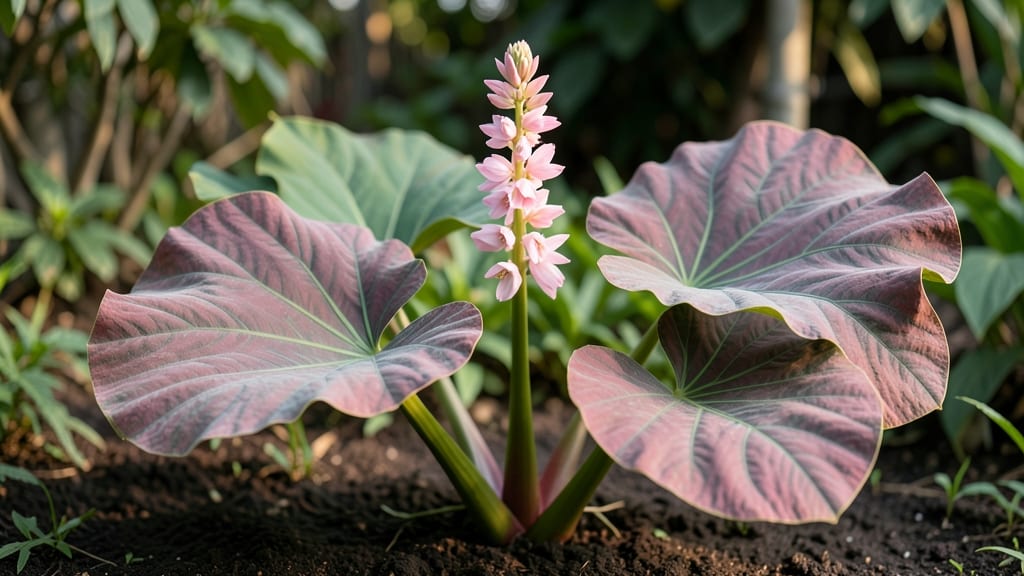
Elephant ears 🌿 do grow flowers, though they often steal the show with their striking foliage first—those dramatic blooms arrive later in the season and are worth the wait.
If you’ve ever admired the bold, tropical leaves of Colocasia or Alocasia but wondered whether they ever produce flowers, the answer might surprise you—these plants are far more dramatic in bloom than most gardeners realize.
Flowering usually happens in late summer, when tall spikes emerge from the center of the plant, topped with unusual, often hooded blooms that can range from pale green to deep purple. While they’re short-lived, they add a unique focal point to your garden.
Below, I’ll cover when to expect these blooms, why some plants skip flowering, and how to give your elephant ears the best chance at putting on a show—because yes, they do grow flowers, and they’re even more stunning than their leaves.

When and how elephant ears produce flowers: seasonal bloom guide
Yes, elephant ears do grow flowers, though their blooms are often overlooked in favor of their stunning foliage. Both Colocasia (taro) and Alocasia (true elephant ears) produce dramatic, tropical flowers under the right conditions.
These blooms typically appear as spikes or hooded structures and can add unexpected beauty to your garden when encouraged properly.
The timing of flowering depends on the species, maturity, and environmental factors like light, humidity, and temperature. Most varieties bloom in late summer to early fall, though some tropical species may flower year-round in ideal climates. Understanding these triggers can help you coax more blooms from your plants.
🌿
| Plant Type | Bloom Season | Maturity Requirement | Key Triggers |
|---|---|---|---|
| Colocasia (Taro) | Late summer to fall | 2+ years old | Warm nights, partial shade |
| Alocasia (True Elephant Ear) | Spring to early summer | 1+ years old | High humidity, indirect light |
| Alocasia zebrina (Variegated) | Summer (rare) | 3+ years old | Consistent moisture, warmth |
| Colocasia antiquorum (Giant Taro) | Fall | Established tubers | Full sun exposure |
For Colocasia varieties, flowering typically occurs in late summer or early fall, often after the plant has reached maturity (2+ years old). These plants produce spiky inflorescences that rise above the foliage, sometimes reaching 3-4 feet tall.
The blooms are often creamy white or pale green, with a distinctive hooded shape that resembles a dragon's tongue.
In contrast, Alocasia species tend to bloom earlier in the season, often in spring or early summer. Their flowers are equally striking, featuring hooded spathes and club-shaped spadices.
Some rare varieties, like Alocasia zebrina, may produce flowers in summer, but this is less common and requires ideal growing conditions.
Temperature plays a crucial role in triggering blooms. Most elephant ears thrive in USDA Zones 8-11, where warm nights and 60-80°F temperatures encourage flowering.
In cooler climates, you may need to protect tubers or grow them as annuals to see blooms. Humidity levels above 50% also promote healthier flower spikes, especially for Alocasia varieties.
Light conditions matter too. While these plants tolerate partial shade, they need at least 4-6 hours of morning sun to initiate flowering. Too much direct afternoon sun can scorch leaves, while low light may delay or prevent blooms entirely.
If your elephant ears aren’t flowering, consider relocating them to a sunnier spot or providing grow lights during winter months.
Fertilizing strategically can also encourage blooms. Use a balanced fertilizer (10-10-10) in early spring to promote leaf growth, then switch to a phosphorus-rich formula (5-10-5) in late summer to support flower development. Avoid over-fertilizing with nitrogen, as this can lead to lush foliage but no blooms.
Finally, remember that not all elephant ears will flower, especially if they’re young or stressed. Some varieties, like Colocasia esculenta, are primarily grown for their edible tubers and may produce fewer blooms.
However, with the right care—patience, proper light, and seasonal triggers—you can unlock the hidden beauty of these tropical plants.
🌸
What elephant ear flowers look like: unexpected beauty in garden design
When elephant ears (Colocasia or Alocasia) finally bloom, they reveal a stunning, often overlooked feature. Their flowers aren’t the star of the show like their massive leaves, but they add unexpected drama to your garden.
The blooms emerge as striking spathe structures—hooded, pointed shapes that resemble exotic birds or tropical flowers.
Most gardeners focus on the foliage, but these flowers can be just as captivating. The spathe often appears in soft pink, white, or purple hues, with a central spike that holds tiny, clustered flowers.
Varieties like Alocasia zebrina produce deep maroon spathe with striking contrast, while Colocasia antiquorum showcases elegant, arching flower spikes that sway gracefully in the breeze.
🌿 Elephant Ear Flower Facts
- Spathe Shape: Hooded, pointed structures
- Colors: Pink, white, purple, or deep maroon
- Bloom Time: Late summer to early fall
- Height: 2-6 feet tall
These flowers are short-lived but add dramatic contrast to tropical gardens.
One of the most striking aspects of elephant ear flowers is their temporary nature. They bloom for just a few weeks in late summer or early fall, making them a fleeting but unforgettable spectacle.
To maximize their impact, plant them near water features or in containers where their unique shapes will stand out against lush foliage.
For gardeners who love rare varieties, Alocasia zebrina is a standout. Its deep burgundy spathe contrasts beautifully with its zebra-striped leaves, creating a bold focal point. Meanwhile, Colocasia antiquorum offers delicate, arching flower spikes that add movement and texture to mixed borders.
Even if the flowers don’t last long, they’re worth the wait. Their exotic appearance and vibrant colors make them a conversation starter. Pair them with other tropical plants like bird-of-paradise or canna lilies to create a lush, high-impact display that thrives in partial shade.
Don’t let their short bloom time discourage you—these flowers are a hidden gem in garden design. With the right placement and care, they’ll transform your space into a tropical paradise, even if only for a few weeks.
The effort is always worth it for that unexpected burst of beauty! 🌺