
Orchid Care
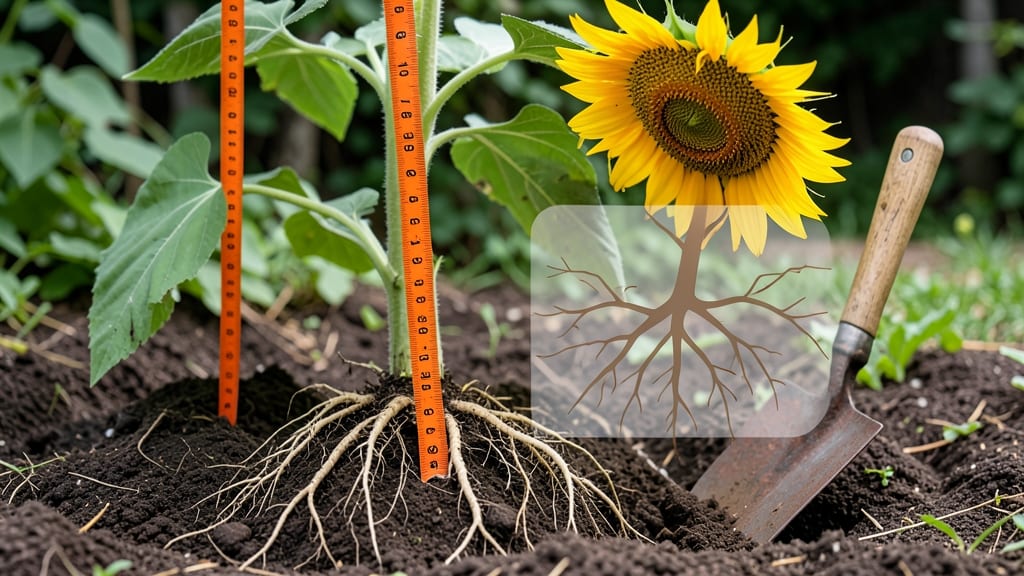
Sunflowers do have deep roots that can spread 2 to 4 feet into the soil, anchoring them firmly and accessing water deep underground.
You’ve probably seen those towering 🌻 stalks swaying in the breeze, but what’s really holding them up? Their extensive root systems aren’t just for show—they’re the secret to their resilience in drought-prone conditions and windy gardens.
This deep-rooted trait means sunflowers thrive in USDA Zone 6a and beyond, making them low-maintenance for gardeners who want striking blooms without constant watering. But it also changes how you should plant them—too close together, and their roots will compete for nutrients.
In this guide, I’ll break down how deep sunflower roots really go, why it matters for your garden, and the best planting tips to help them grow strong—from soil prep to spacing secrets.
How deep do sunflower roots grow and what determines their length?
Sunflowers may reach impressive heights above ground, but their root systems are equally fascinating. On average, sunflower roots extend 2 to 4 feet deep, though some varieties can surpass this range.
This deep penetration allows them to access moisture and nutrients far below the surface, making them surprisingly resilient plants. Unlike their towering stalks, which can grow 3 to 16 feet tall, their roots spread laterally while diving deep—creating a stable anchor.
The depth of sunflower roots isn’t just about size; it’s about survival. In dry climates, these roots help sunflowers outcompete weeds and endure drought conditions. Meanwhile, in rich, loamy soils, they can grow even deeper, reaching up to 6 feet in ideal conditions.
This adaptability makes sunflowers a favorite for both beginner and experienced gardeners alike.
Did you know? Sunflower roots follow a taproot system, meaning they have one main vertical root with smaller lateral roots branching off. This structure differs from shallow-rooted plants like marigolds, which rely on a fibrous network near the surface. Understanding this helps explain why sunflowers stand tall even in windy conditions.
| Factor | Impact on Root Depth | Example |
|---|---|---|
| Soil Type | Loamy soil promotes deeper roots (up to 6 ft), while clay or rocky soil limits depth (2-3 ft). | Garden loam: 4-5 ft | Sandy soil: 2-3 ft |
| Sunflower Variety | Dwarf varieties (2-4 ft stalks) have shallower roots (1-2 ft), while giant varieties (10+ ft) can reach 5-6 ft deep. | 'Teddy Bear' (dwarf): 1-2 ft | 'Mammoth' (giant): 5-6 ft |
| Climate Conditions | Arid regions force deeper roots (3-5 ft) for water access, while humid areas may see shallower but wider root spread (2-4 ft). | Desert climate: 4-5 ft | Rainy climate: 2-3 ft |
| Water Availability | Consistent moisture encourages deeper root growth, while drought stress can stunt root depth to 1-2 ft. | Well-watered: 4 ft | Drought-stressed: 1-2 ft |
| Planting Depth | Planting seeds 1 inch deep ensures optimal root development; deeper planting can restrict root growth. | Correct depth: 3-4 ft roots | Too deep: 2 ft roots |
Comparing sunflower roots to other deep-rooted plants reveals their efficiency. For instance, corn roots typically reach 3-5 feet deep, while asparagus roots can extend up to 10 feet over time.
Sunflowers, however, strike a balance: their roots are deep enough for stability but not as extensive as perennial crops like artichokes, which can send roots 6-8 feet deep.
The root-to-stalk ratio in sunflowers is a marvel of nature. While their stalks may shoot up to 16 feet, their roots rarely exceed half that depth.
This ratio ensures the plant remains wind-resistant and drought-tolerant without overcommitting resources to underground growth. It’s a perfect example of how plants optimize their structure for survival.
Soil texture and compaction play a huge role in root depth. In compacted clay soils, sunflower roots may struggle to penetrate beyond 2 feet, limiting their access to nutrients.
Conversely, well-draining loam allows roots to explore deeper layers, reaching 4-5 feet. Amending soil with compost or sand can significantly improve root development, especially in heavy or rocky soils.
Another key factor is the sunflower’s growth stage. Young seedlings develop roots quickly, reaching 1-2 feet deep within the first 4-6 weeks. As the plant matures, the primary taproot continues to elongate, while lateral roots spread outward to stabilize the towering stalk.
By the time sunflowers bloom, their roots have already established a deep, extensive network.
Gardeners often assume that taller sunflowers automatically mean deeper roots, but this isn’t always true. Some dwarf varieties, like 'Sunspot,' may only reach 2-3 feet tall but still develop roots 1-2 feet deep.
Meanwhile, giant varieties like 'Russian Giant' can grow 12-16 feet tall with roots extending 5-6 feet deep. This shows that root depth is influenced more by soil conditions and genetics than stalk height.
Understanding sunflower root depth also helps with companion planting. Since their roots spread widely, avoid planting sunflowers too close to shallow-rooted crops like lettuce or radishes, which compete for the same topsoil resources.
Instead, pair them with deep-rooted companions like beans or peas, which benefit from the sunflowers’ ability to access deeper moisture.
For container gardening, remember that sunflower roots need at least 18-24 inches of depth to thrive. Smaller pots will restrict root growth, leading to stunted plants and poor flowering.
If you’re growing sunflowers in containers, choose large pots and ensure they have drainage holes to prevent root rot while encouraging downward growth.
Why deep roots matter for sunflower growth and garden success
Sunflowers don’t just impress with their towering sunflower stalks—their deep root systems are the unsung heroes of their success. While many gardeners assume these giants have shallow roots, they actually develop taproots that extend 2–4 feet deep, anchoring them firmly and accessing nutrients far below the surface.
This hidden strength directly impacts their drought resistance, wind stability, and overall health.
One of the biggest misconceptions about sunflowers is that they’re shallow-rooted like many annuals. In reality, their deep roots help them thrive in dry conditions and poor soils where other plants struggle.
This root structure also explains why sunflowers rarely topple in storms—a trait that surprises even experienced gardeners. Understanding this can transform how you plant, water, and care for your sunflowers.
Why Sunflower Roots Are a Game-Changer
- 1. Drought Resistance: Deep roots tap into moisture layers others can’t reach, reducing watering needs by 30-50% once established.
- 2. Wind Stability: Roots anchor plants 5x deeper than their stalk height, preventing wind damage even in exposed areas.
- 3. Nutrient Access: They mine phosphorus and potassium from lower soil layers, improving blooms and seed production.
- 4. Spacing Savings: Proper root depth lets you plant sunflowers 12-18 inches apart (vs. 24" for shallow-rooted plants).
- 5. Container Adaptability: Dwarf varieties thrive in 12"+ deep pots because their roots fit vertically.
This root structure also explains why companion planting works so well with sunflowers. Their deep roots don’t compete with shallow-feeding plants like basil or lettuce, making them ideal neighbors. In fact, many gardeners use sunflowers as living mulch to suppress weeds while improving soil structure for surrounding crops.
For container gardeners, understanding root depth is critical. While standard sunflowers need large raised beds or deep pots, dwarf varieties like 'Teddy Bear' (2-3 ft tall) adapt beautifully to 5-gallon containers because their roots stay compact. Just ensure containers have drainage holes—root-bound sunflowers wilt quickly in waterlogged soil.
The next time you admire a sunflower’s golden bloom, remember: what’s happening below ground is just as impressive. These deep roots aren’t just a survival tactic—they’re the reason sunflowers thrive in poor soils, dry climates, and even urban gardens where space is limited.
By working with their natural growth habits, you’ll grow healthier plants with less effort.
Want to put this knowledge to work? Start by amending your soil with compost before planting—this encourages roots to explore deeper for nutrients. And if you’re in a drought-prone area, sunflowers might just become your low-maintenance water heroes this season. 🌱💧