
Orchid Care
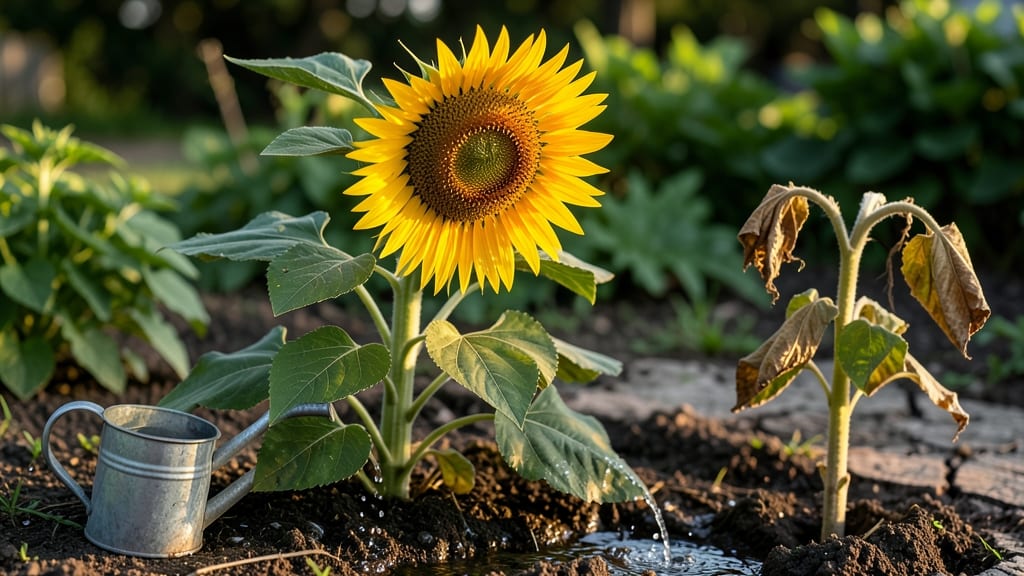
Sunflowers do require a lot of water less than most gardeners think — deep, infrequent soakings keep them thriving without drowning their roots.
Picture this: you’ve just planted your 🌻 seeds in USDA Zone 6a, dreaming of towering blooms by summer, only to watch them wilt from either too much or too little water.
The truth is, these sun-loving giants are far more drought-tolerant once established than many realize. The key is getting their watering routine right from the start.
New seedlings need consistent moisture, but mature sunflowers can handle weeks between deep waterings. The real trick is avoiding soggy soil—overwatering is the #1 way to stunt their growth.
Below, I’ll break down exactly how much water sunflowers need at each stage, plus how to adjust for your climate and soil type.
You’ll discover how to water sunflowers for healthy growth, spot early signs of stress, and even pick the best low-water varieties for your garden. No more guesswork—just strong, happy plants from seedling to full bloom.
How much water sunflowers need at each growth stage
Sunflowers might seem like low-maintenance plants, but their water needs change dramatically from seedling to maturity. While they’re drought-tolerant once established, young plants and flowering stages require careful moisture management. The key is providing deep, infrequent watering rather than shallow, frequent soaks.
Overwatering is a common mistake that leads to root rot, while underwatering stunts growth—especially during critical stages like seedling development and flower bud formation.
In my experience, sunflowers thrive with 1-2 inches of water per week during active growth, but the real secret lies in timing and technique. Watering in the early morning minimizes evaporation and fungal risks, while mulching helps retain soil moisture.
Let’s break down the exact watering needs at each stage, so you can avoid both drought stress and soggy soil.
🌱 Germination & Seedling Stage (Days 1-14): This is the most delicate phase. Keep soil consistently moist (not soggy) by watering lightly every 2-3 days. Overwatering now can cause seed rot, while letting the soil dry out too much stunts sprouting. A spray bottle or gentle watering can works best to avoid disturbing the seeds.
🌿 Vegetative Growth (Weeks 2-6): Once seedlings have 2-3 true leaves, increase watering to 1 inch per week. Water deeply at the base (not overhead) to encourage strong root development. During dry spells, water every 5-7 days, but always check soil moisture 1-2 inches down—if it’s dry, it’s time to water.
🌻 Flowering Stage (Weeks 7-10): This is when sunflowers demand the most water. Buds and blooms need consistent moisture to prevent wilting and support pollination. Aim for 1.5-2 inches of water weekly, watering deeply 2-3 times per week. Skimping now can lead to drooping petals or blind stems (stems that don’t produce flowers).
During the seed production stage (Weeks 11-14), reduce watering slightly to 1-1.5 inches per week. Overwatering now can cause seeds to crack or mold. Let the top 1-2 inches of soil dry out between waterings to signal the plant that it’s time to mature seeds.
This is also when sunflowers become highly drought-tolerant—once seeds are plump, they can handle dry spells with ease.
For mature sunflowers (after harvest), water becomes minimal. Established plants only need 0.5-1 inch every 10-14 days unless your region experiences extreme heat or drought.
At this stage, focus on well-draining soil to prevent waterlogged roots. If you’re growing sunflowers for seeds, let them dry completely on the stalk before harvesting.
Signs of overwatering include
Drought-tolerant sunflower varieties that need less water
Not all sunflowers are created equal when it comes to water needs. While many varieties thrive with deep, infrequent watering, some are naturally drought-resistant and perfect for arid climates or low-maintenance gardens.
I’ve grown these low-water varieties myself, and they’ve proven to be game-changers for conserving water while still delivering stunning blooms.
If you’re in USDA Zone 6a or hotter, these sunflower types will reward you with vibrant flowers and minimal upkeep. The key is choosing varieties bred for dry conditions—like ‘Moulin Rouge’ or ‘Autumn Beauty’—which can go weeks between waterings once established.
Let’s compare the best options for your garden.
Comparison Table: Low-Water Sunflower Varieties
For ultra-low water gardens, I recommend starting with ‘Teddy Bear’ or ‘Moulin Rouge’—they’re my top picks for drought-prone areas. These varieties not only survive with minimal water but also thrive in poor soil, making them ideal for water conservation efforts.
If you’re aiming for cut flowers, the ‘ProCut’ series strikes a balance between water efficiency and long vase life.
Pro tip: Always mulch around the base of your sunflowers to retain moisture and reduce evaporation. A 2-3 inch layer of straw or wood chips can cut your watering needs in half.
I’ve seen this trick extend the time between waterings from 1 week to 3 weeks in my own garden!
If you’re in a hot, dry climate, consider pairing these varieties with drip irrigation or soaker hoses. This method delivers water directly to the roots, minimizing waste and keeping your sunflowers happy and hydrated without overwatering.
With the right variety and techniques, you can grow stunning sunflowers while saving water—a win-win for both your garden and the planet. 🌻