
Aphids
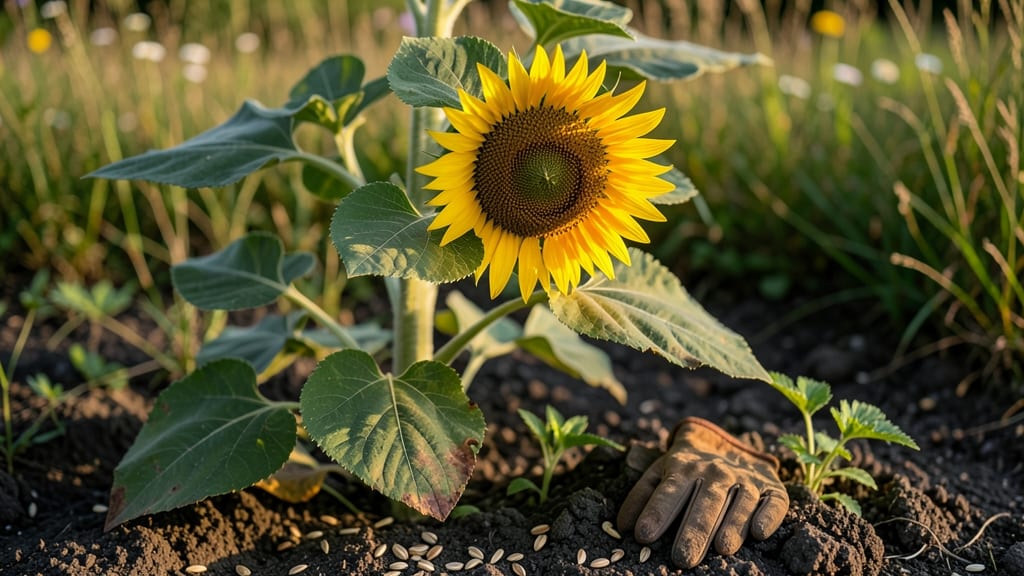
Sunflowers spread in ways that might surprise you—whether through roots, seeds, or even how you space them in your garden.
Picture this: You plant a single 🌻 in your backyard, and by summer, you’ve got a sunflower army popping up everywhere. That’s because these giants don’t just grow tall—they spread underground and through self-seeding, making them both a gardener’s dream and a potential headache if you’re not prepared.
Some varieties, like dwarf sunflowers, stay put, while giants can send out roots and seeds that wander. The good news? With the right spacing and a few simple tricks, you can control their spread and keep your garden looking intentional, not chaotic.
In this guide, I’ll break down how sunflowers spread, which types are the biggest spreaders, and how to manage them—so you can enjoy their towering beauty without losing control of your garden.
How far do sunflower roots spread underground?
Sunflowers may seem like towering, carefree plants, but their root systems are far more complex than you might think. While they don’t spread aggressively like some invasive plants, their taproots dive deep and develop extensive lateral roots that anchor them firmly—and absorb nutrients efficiently.
Understanding this spread helps you plan spacing, soil prep, and even troubleshoot stability issues before they arise.
Most gardeners assume sunflowers grow straight up, but their underground growth is just as impressive. A mature sunflower’s taproot can reach depths of 3–5 feet, while lateral roots spread 12–24 inches outward. This deep-reaching system makes them drought-tolerant but also means they compete fiercely for nutrients in poor soil.
Young sunflowers (first 4–6 weeks) focus on vertical root growth, while mature plants (60+ days) develop wider lateral roots. This shift explains why early-stage plants wobble easily—until their roots catch up with their towering stems. Soil compaction or rocky layers can stunt this natural spread, leading to weaker stems and flopping blooms.
| Growth Stage | Root Depth | Lateral Spread | Soil Impact | Stability Notes |
|---|---|---|---|---|
| Seedling (0–4 weeks) | 6–12 inches | 2–6 inches | Loose, well-draining | Fragile; needs staking |
| Vegetative (4–8 weeks) | 18–30 inches | 12–18 inches | Moderate fertility | Stabilizes; less wobbly |
| Mature (8+ weeks) | 3–5 feet | 24+ inches | Deep, nutrient-rich | Sturdy; minimal staking |
| Dwarf Varieties | 12–24 inches | 8–12 inches | Compacted soil OK | No staking needed |
| Giant Varieties | 4–6 feet | 30+ inches | Needs loose soil | Requires staking |
Soil type plays a huge role in how far sunflower roots spread. In sandy soil, roots grow deeper faster to reach moisture, while clay soil can restrict lateral spread, forcing roots to grow upward instead.
Amending your soil with compost or aged manure before planting encourages deeper root penetration and wider nutrient absorption zones.
If you’ve ever noticed sunflowers leaning or toppling in windy conditions, blame their root-to-shoot ratio. Young plants with shallow roots are especially prone to flopping. To prevent this, plant seeds 1 inch deep and provide support stakes at the 12-inch mark.
For giant varieties like Mammoth Russian, use 3-foot bamboo stakes buried 18 inches deep.
Another surprising fact: sunflowers compete aggressively with nearby plants for nutrients. Their deep roots pull up minerals like phosphorus and potassium, which can deplete the soil if planted too closely.
This is why 3–4 feet of spacing between rows is ideal—it gives roots room to spread without stealing nutrients from each other.
For container growers, sunflowers still spread their roots but in a more compact way. A 5-gallon pot works for dwarf varieties, while giants need at least 15 gallons of soil.
Use a fast-draining mix with perlite to prevent root rot, and fertilize lightly every 4–6 weeks to support their deep-rooted growth habits.
One common myth is that sunflowers don’t need much soil depth. However, their taproots can’t penetrate hardpan or compacted layers. If your garden has a shallow topsoil layer, double-dig the planting hole (12–18 inches deep) to encourage roots to grow downward naturally.
This simple step can double your sunflowers’ stability and yield.
Finally, remember that drought stress forces sunflower roots to grow even deeper in search of water. While this makes them resilient, it also means they’re less forgiving of poor soil preparation.
Always test your soil’s pH (6.0–7.5) and drainage before planting to give those roots the best chance to spread and thrive.
Optimal sunflower spacing to prevent overcrowding and disease
Sunflowers may seem like carefree plants, but proper spacing is the secret to their vibrant blooms and healthy roots. When planted too closely, they compete for nutrients, leading to stunted growth and disease susceptibility.
The right distance ensures each plant gets sunlight, air circulation, and room to develop its iconic taproot system.
Most gardeners assume sunflowers can handle tight spaces, but overcrowding triggers stress, making plants more vulnerable to powdery mildew and root rot.
Research shows that dwarf varieties (like 'Teddy Bear') thrive with just 3–4 inches between plants, while giant varieties (like 'Mammoth') need 2 feet of space to avoid competition. Let’s break down the science behind spacing and how it directly impacts your sunflower’s success.
Sunflower Spacing: Pros and Cons
- Space dwarf varieties 3–4 inches apart for compact clusters.
- Give giants 2 feet to prevent root competition.
- Use rows 18–24 inches apart for better airflow and sunlight.
- Thin seedlings early to avoid overcrowding as they grow.
- Plant too closely—leads to stunted growth and disease.
- Ignore variety needs—dwarf and giant sunflowers have different spacing rules.
- Skip thinning—crowded seedlings compete for nutrients.
- Plant in dense clusters without rows—blocks sunlight for inner plants.
Spacing isn’t just about preventing overcrowding—it’s about maximizing flowering potential. When sunflowers have enough room, they produce larger blooms and heavier seed heads. For example, 'Autumn Beauty' sunflowers, which grow 5–6 feet tall, need at least 12 inches between plants to avoid shading weaker stems.
Even dwarf varieties benefit from slightly more space if you want bigger flowers.
One of the biggest mistakes I see in gardens is planting sunflowers in tight rows without considering their mature size. A 10-foot-tall sunflower planted 6 inches from its neighbor will eventually block sunlight and crowd out roots.
This competition forces plants to put energy into survival instead of producing vibrant blooms. Always check your variety’s mature height and adjust spacing accordingly.
Another critical factor is soil health. Sunflowers with ample space develop stronger taproots, which access deeper water and nutrients. In poor soil, proper spacing helps roots expand laterally to find resources, while overcrowding forces roots to compete aggressively, weakening the plant.
If your soil is clay-heavy, wider spacing reduces root rot risk by improving drainage.
For container gardening, spacing rules change slightly. Dwarf varieties like 'Moulin Rouge' can thrive in 5-gallon pots with just 1–2 plants per container, while larger varieties need at least 15-gallon pots with 6–12 inches between plants.
Containers dry out faster, so increase spacing slightly to avoid root-bound stress. Always use well-draining soil to prevent waterlogged roots.
Remember, proper spacing isn’t just a rule—it’s an investment in your sunflowers’ future. Whether you’re growing cut flowers, birdseed, or just enjoying their cheerful faces, giving them room to thrive ensures healthier plants, bigger blooms, and fewer pests.
Start with the right distance, and your sunflowers will reward you with stunning displays all season long. 🌻