
Flowers
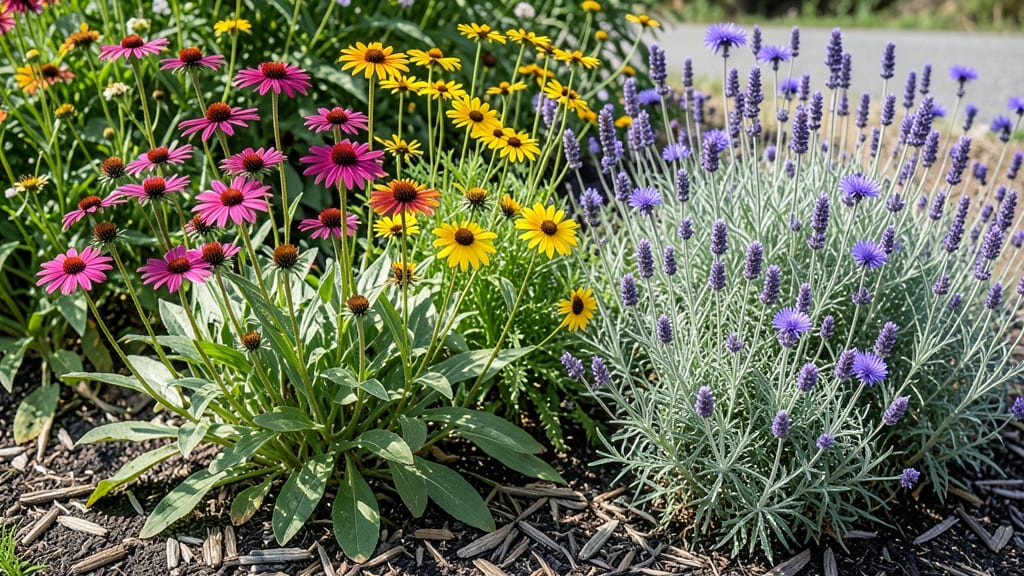
Wildflowers need full sun to thrive—but not all varieties follow that rule, and forcing them into bright spots can backfire with sparse blooms.
Picture this: You’ve spent hours scattering seeds in your shady garden corner, only to watch them stretch toward the light with weak stems and few flowers. The good news? Some 🌼 wildflowers actually prefer shade, blooming just as beautifully with far less sunlight than you’d expect.
From delicate bleeding hearts to hardy lungwort, shade-tolerant wildflowers prove that even low-light areas can burst with color. The key is choosing the right species for your space—whether it’s dappled shade under trees or deep shade in a north-facing corner.
Below, I’ll break down which wildflowers reject full sun, how to spot the best shade-loving picks, and simple tricks to make them flourish—no sunburned leaves required.

How much sun do wildflowers actually need? Light requirements explained
Wildflowers are often stereotyped as sun-worshippers, but the truth is far more nuanced. While some varieties thrive in full sun, others adapt beautifully to shade and partial light. Understanding these light requirements can transform your garden into a thriving ecosystem, even in low-light areas.
The key lies in matching your wildflowers to their ideal sunlight conditions, which directly impacts their photosynthesis efficiency and bloom production.
Most wildflowers fall into three broad categories based on sunlight needs: full sun lovers (6+ hours), part shade adaptors (3-6 hours), and deep shade specialists (<3 hours).
The misconception that all wildflowers need full sun stems from the dominance of sun-loving species like black-eyed Susans and coneflowers in commercial mixes. However, nature's palette includes many shade-tolerant gems that can outshine their sun-hungry cousins in dimmer settings.
The photosynthesis process explains why sunlight matters so much. Plants convert light into energy through chlorophyll, but shade-tolerant wildflowers have evolved larger leaves and more efficient chlorophyll to capture limited light.
This adaptation allows them to grow where full-sun varieties would struggle, often producing lush foliage and vibrant blooms despite receiving only 2-3 hours of direct light per day.
| Sunlight Category | Daily Sunlight Needs | Ideal Wildflower Examples | Growth Characteristics |
|---|---|---|---|
| Full Sun | 6+ hours direct light | Black-eyed Susan, Coneflower, Blanket Flower | Tall, sturdy stems; vibrant blooms; drought-resistant |
| Part Shade | 3-6 hours direct light | Columbine, Foxglove, Bee Balm | Moderate height; adaptable; prolonged blooming |
| Deep Shade | <3 hours direct light | Bleeding Heart, Astilbe, Lungwort | Lush foliage; delicate blooms; moisture-loving |
When selecting wildflowers for your garden, consider your specific microclimates. A north-facing border might receive only 2 hours of morning sun, while a south-facing slope could offer 8+ hours of intense light.
Even within the same yard, sunlight conditions can vary dramatically. For example, areas near trees or buildings often create partial shade conditions that full-sun wildflowers would avoid but part-shade varieties would thrive in.
Your local climate zone also plays a crucial role. In cooler northern regions, wildflowers often receive longer periods of indirect light due to lower sun angles, making part-shade species more successful. Conversely, in hot southern climates, afternoon shade becomes essential to prevent leaf scorch in many wildflower species.
Always check the USDA Hardiness Zone recommendations for your specific wildflower varieties to ensure they'll perform well in your light conditions.
One common mistake is assuming that more sun equals better blooms. While full-sun wildflowers often produce the most abundant flowers, they can become stressed and leggy in extreme heat without adequate water.
Shade-tolerant varieties, on the other hand, may produce fewer but longer-lasting blooms while maintaining healthier foliage. The key is finding the right balance between light exposure and your garden's specific conditions.
For gardeners with limited sunlight, don't be discouraged—there are excellent wildflower options that will thrive in your space. Species like Virginia bluebells and wild ginger can create stunning displays with as little as 2 hours of filtered light daily.
These shade specialists often develop broader leaves and more intricate root systems to maximize their light absorption, resulting in plants that are just as vigorous as their sun-loving counterparts.
If you're transitioning a full-sun wildflower area to shade, be patient—most plants need 2-3 growing seasons to fully adapt to new light conditions. Start by planting part-shade tolerant species like coreopsis or black-eyed Susan varieties that can handle gradual light reductions.
Over time, you can introduce more shade-loving varieties as the ecosystem adjusts. This phased approach minimizes stress on your plants and gives you time to observe which species truly thrive in your specific light conditions.
Remember that container gardening offers another solution for shade-loving wildflowers. You can easily move pots to follow the sun's path or place them in optimal light conditions throughout the day.
This flexibility allows you to grow sun-loving and shade-tolerant species side by side in a small space, creating a diverse and vibrant wildflower display that adapts to your changing light conditions throughout the seasons.
Ultimately, the beauty of wildflowers lies in their diversity and adaptability. Whether you have a sun-drenched meadow or a shady woodland garden, there are wildflower species perfectly suited to your conditions.
By understanding these light requirements and matching plants to their ideal growing environments, you can create a garden that's not only beautiful but also sustainable and resilient in any lighting scenario.
10 Best shade-tolerant wildflowers that bloom without full sun
If you’ve ever assumed wildflowers need full sun to thrive, think again! Many stunning varieties flourish in partial to full shade, making them perfect for wooded gardens, north-facing beds, or areas under trees.
These shade-loving wildflowers offer vibrant blooms, unique textures, and low-maintenance charm—without demanding six or more hours of sunlight daily.
From delicate Bleeding Heart to hardy Lungwort, these 10 shade-tolerant wildflowers prove that beautiful blooms don’t require full sun. Whether you’re in the Pacific Northwest, Northeast, or Appalachian region, these plants adapt well to cooler, dimmer conditions while still delivering seasonal color.
- 1 Astilbe thrives in partial shade (3-6 hours of light) and blooms from late spring to summer with feathery plumes in pink, white, or red. Ideal for USDA Zones 3-9, it tolerates moist, well-draining soil.
- 2 Bleeding Heart (Dicentra spectabilis) loves deep shade (<3 hours of light) and blooms in spring with heart-shaped flowers. Perfect for Zones 3-9, it prefers rich, organic soil and stays lush in humid climates.
- 3 Hosta (not a true wildflower but often used in wildflower gardens) thrives in full to partial shade and offers foliage and summer blooms. Choose varieties like 'Blue Angel' for Zones 3-8 and drought-tolerant types.
- 4 Lungwort (Pulmonaria) blooms in early spring with spotted leaves and pink-to-blue flowers. It tolerates full shade and Zones 3-8, making it ideal for woodland gardens with moist soil.
- 5 Columbine (Aquilegia) adapts to partial shade and blooms from spring to early summer with nodding flowers. Native to Zones 3-9, it attracts hummingbirds and thrives in rocky or well-draining soil.
For regional adaptability, consider Virginia Bluebells (Mertensia virginica) in the Southeast—it blooms in spring with blue-purple flowers and tolerates partial shade.
In the Pacific Northwest, Sword Fern (Polystichum) (a foliage plant) pairs well with shade-loving wildflowers like Solomon’s Seal (Polygonatum), which blooms in late spring with dangling white flowers.
When planting, prioritize well-draining, moist soil and mulch annually to retain moisture. Most shade-tolerant wildflowers prefer organic matter-rich soil, so amend with compost before planting. Avoid overwatering—most thrive with consistent moisture but hate soggy roots.
Pro tip: Group shade-tolerant wildflowers with ferns, hellebores, or asters to create a layered, low-maintenance garden. These combinations ensure year-round interest, from early spring blooms to fall foliage. With the right mix, your shady garden can rival any sunlit meadow!