
Flowers
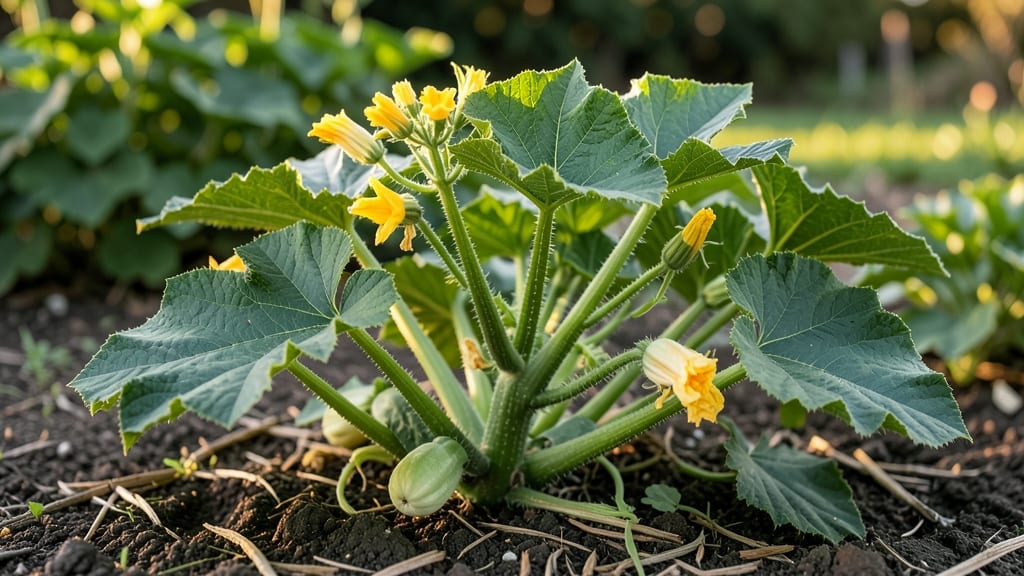
Picking zucchini when the flower falls off is the golden rule for tender, seedless squash — but timing it wrong can turn your harvest into a tough, seedy mess.
Picture this: you rush to pick your zucchini 🎃 the moment the blossom drops, only to find it still hard and underripe. Or worse, you wait too long, and suddenly you’re staring at a foot-long monster that’s more suitable for breading than fresh eating.
The difference between these two outcomes? A few days of patience — and knowing exactly when that flower’s fall signals true readiness.
Most gardeners assume "flower off" means instant harvest, but the science behind zucchini ripening is more nuanced. The blossom’s departure isn’t the only clue; skin firmness, size, and even seed development play roles.
Below, I’ll break down the exact moment to harvest for peak flavor, plus what to do if you miss the window.
You’ll also discover how to keep your plants producing like crazy all season — because once you master this timing, you’ll wonder why you ever struggled with overgrown zucchini before.
The exact science behind when to harvest zucchini after flower drop
Harvesting zucchini at the right moment transforms your garden into a flavor factory. The moment the female flower drops is your first clue—but it’s not the only signal. Zucchini development follows a precise biological timeline where size, texture, and even seed formation determine peak harvest time.
Understanding these stages ensures you avoid the bitter, seedy disappointment of overripe squash.
When that yellow female flower wilts and falls, it signals the zucchini has begun its rapid growth phase. However, waiting until the flower drops alone isn’t enough. The real science lies in the 3-5 day window after flowering when the fruit reaches its sweetest, most tender state.
This is when the zucchini’s skin firmness and flavor are at their absolute best, making it ideal for grilling, sautéing, or spiralizing.
| Stage | Key Indicators | Action |
|---|---|---|
| Flowering (Day 0) | Female flower (swollen base) opens | Mark harvest window begins |
| Early Growth (Days 1-3) | Flower wilts/drops; fruit grows rapidly | Check daily for 6-inch length |
| Peak Harvest (Days 4-5) | 6-8" long; firm skin; no visible seeds | HARVEST NOW for best flavor |
| Overripe (Days 6+) | >8" long; tough skin; visible seeds | Use for baking/freezing only |
The biological clock of zucchini development kicks into high gear after pollination. Within 48 hours of the flower dropping, the fruit enters its most desirable stage—6-8 inches long with a smooth, glossy skin that resists gentle pressure from your thumbnail.
This is your golden window for harvesting, where the zucchini’s mild, sweet flavor is at its peak and the seeds remain tiny and edible.
Here’s the critical test I use in my garden: press your thumbnail into the zucchini’s skin. If it leaves a slight indentation, it’s not ready. If it springs back completely, that’s your cue to grab your pruning shears or sharp knife.
The skin should feel firm but not rock-hard, and the color should be a deep, consistent green without yellowing.
Many gardeners make the mistake of thinking they must wait until the flower drops to harvest. But in reality, the flower drop is just the starting line. The real race is against time—3-5 days later when the zucchini reaches its ideal size.
I’ve seen zucchini grow 2 inches overnight during hot summer days, so checking your plants every 24 hours is essential during peak growing season.
Pay close attention to the seed development inside the zucchini. When harvested at the right time, the seeds are tiny white specks—almost invisible when you cut into the fruit. If you see visible seeds or a hollow core, you’ve missed the boat.
These are telltale signs the zucchini has passed its prime, leading to a tough, fibrous texture and bitter aftertaste that even the best recipes can’t salvage.
Pro tip: Harvest in the morning when the zucchini is cool and crisp. This is when the starch-to-sugar ratio is at its peak, ensuring maximum flavor. Use a clean, sharp knife or shears to cut the zucchini 1 inch from the stem.
This prevents damage to the plant and encourages more female flowers to develop, leading to a bigger harvest throughout the season.
Remember, zucchini are heavy feeders, and their rapid growth means they’ll deplete soil nutrients quickly. After harvesting, I always side-dress with compost or a balanced fertilizer to replenish what was used.
This keeps your plants producing consistently and ensures each new zucchini reaches peak harvest readiness in the same 4-5 day window.
If you’re still unsure whether your zucchini is ready, ask yourself: Would I eat this raw in a salad? If the answer is yes, it’s harvest time. If not, give it one more day—but no longer.
The flavor clock ticks fast once that flower drops, and waiting too long turns your prize zucchini into a culinary challenge rather than a garden gem.
What happens if you wait too long (and how to fix overripe zucchini)
If you wait too long to harvest zucchini after the flower falls off, you’ll quickly notice the bitter taste and tough skin that ruin fresh eating. The longer you delay, the more the seeds harden and multiply, transforming your squash into a seedy, fibrous disappointment.
Even a day or two past the ideal window can make a noticeable difference in texture and flavor.
Overripe zucchini also develops a woody core and thicker skin, making it less versatile for recipes. The nutritional value drops too, as the starch content rises and natural sugars convert. What starts as a tender 6-inch zucchini can balloon into a foot-long monster that’s barely recognizable as the same vegetable.
Don’t panic if you’ve missed the perfect harvest window—there are still ways to salvage your overripe zucchini. The key is acting fast before the produce becomes inedible.
Below, I’ll share my top methods for repurposing zucchini that’s past its prime, plus a quick checklist to assess whether your squash is still usable.
⚠️ Warning: The 3-Day Rule for Zucchini
Once the flower falls off, your zucchini has only a 3-day window for ideal harvest. After that:
- Day 4-5: Skin toughens, seeds develop (still edible but less tender)
- Day 6-7: Bitter taste emerges, core becomes woody
- Day 8+: Nearly inedible raw; best for baking or compost
Pro Tip: Check for firm skin and small seeds—if both are present, harvest immediately. If seeds are pea-sized or larger, act fast to salvage!
For slightly overripe zucchini (within 3-5 days past the flower drop), try baking or roasting to soften the texture. The heat breaks down the tough fibers, making it ideal for zucchini bread or fritters.
Simply slice into ½-inch rounds, toss in olive oil, salt, and pepper, then bake at 400°F (200°C) for 20-25 minutes until golden.
Freezing is another great option for overripe zucchini. Grate or dice the squash, blanch in boiling water for 2 minutes, then shock in ice water before freezing in airtight containers.
This method preserves texture better than raw storage, making it perfect for future soups or stews. Label containers with the date—frozen zucchini stays fresh for up to 12 months.
If your zucchini has turned yellow or mushy, it’s time to compost or discard. These are clear signs of spoilage, and even cooking won’t save them. For pickling, use zucchini that’s firm but slightly overripe—this stage has higher sugar content, making it ideal for tangy, crunchy pickles.
Slice into ¼-inch rounds, pack into jars with vinegar, salt, and spices, then process in a water bath for 10 minutes.