Flowers
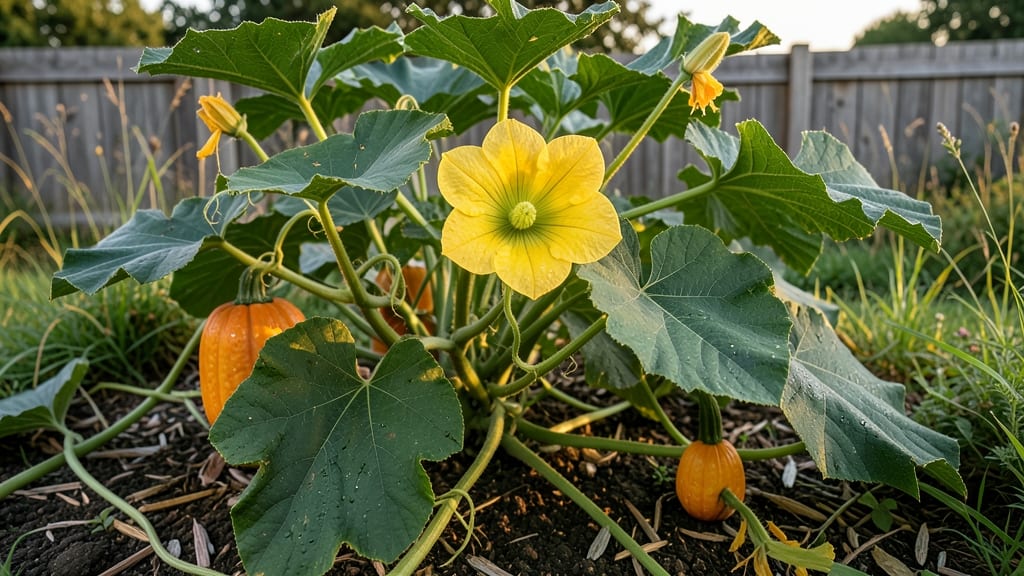
What happens to a female pumpkin flower after successful pollination (step-by-step)
When you spot a female pumpkin flower with its distinctive tiny fruit at the base, you’re witnessing nature’s first step toward a future harvest. But what happens next? Within 48 hours of successful pollination, the ovary begins a dramatic transformation that determines whether your plant will bear fruit.
Understanding this process helps you troubleshoot issues and maximize your yield—especially when bees are scarce or weather conditions aren’t ideal.
After pollination, the flower’s petals start wilting (usually within 24-48 hours), but don’t mistake this for failure. This is a natural sign the plant is redirecting energy to the developing ovary. Meanwhile, the base of the flower swells rapidly as cells divide and grow, forming the young pumpkin fruit.
This stage is where many gardeners miss the cues—so let’s break it down step by step.
🌱 Step-by-Step Transformation of a Pollinated Female Pumpkin Flower
- 🕰️ 0-24 Hours: Pollen grains land on the stigma, triggering fertilization. The flower’s petals begin to droop slightly as energy shifts to the ovary.
- 🌱 24-48 Hours: The ovary swells noticeably (now the size of a marble). Petals fully wilt and detach, leaving the young fruit exposed.
- 🍃 3-7 Days: The fruit grows 1-2 inches daily if pollination succeeded. The stem thickens, and the fruit’s shape becomes visible (round, oblong, or ribbed, depending on the variety).
- 🌿 7-14 Days: The fruit’s skin hardens slightly, and you’ll see visible veins or ridges forming. This is the "set" stage—no longer reversible if fertilization worked.
- 🎃 2+ Weeks: The pumpkin enters the rapid growth phase. Monitor for yellowing leaves (a sign of nutrient demand) or cracking (indicating uneven watering).
⏳ Critical Window: The first 48 hours are make-or-break for fertilization. After that, the fruit’s fate is sealed!
One of the most telling signs of successful pollination is the speed of ovary growth. If you’ve pollinated the flower manually (or relied on bees), check the ovary every 24 hours. A healthy ovary will double in size within 3 days.
If it stays small or shrinks, pollination likely failed—possibly due to poor pollen quality, high temperatures, or lack of humidity.
The stem’s role is often overlooked but crucial. A strong, woody stem supports the growing fruit’s weight. If the stem remains thin and green, the pumpkin may detach easily or develop blossom-end rot later.
To prevent this, prune nearby male flowers to redirect the plant’s energy to fruit development. This is especially important for heirloom varieties, which often produce fewer female flowers.
Temperature plays a surprising role in post-pollination success. Ideal conditions are 70-85°F (21-29°C). Below 60°F (15°C), the ovary may abort development, while above 90°F (32°C), pollen viability drops.
If your garden is hot or humid, hand-pollinate in the early morning when temperatures are cooler and bees are most active.
Watering habits also impact the fruit’s early stages. Overwatering can cause rot or cracking, while underwatering stresses the plant. Aim for 1-2 inches of water per week, delivered deeply at the soil base.
Avoid wetting the flowers or fruits directly, as this invites powdery mildew. Mulch around the base with straw or shredded leaves to retain moisture and regulate soil temperature.
By day 10, you’ll notice the fruit’s texture changing—it’ll feel firmer and less spongy to the touch. This is when the seed cavity forms inside, and the pumpkin’s genetic traits (size, shape, color) become more apparent.
If you’re growing miniature varieties, the fruit may stop growing by day 14, while giant pumpkins continue expanding for months.
One common mistake gardeners make is assuming all female flowers will set fruit. In reality, only 50-70% of pollinated flowers successfully develop into pumpkins, depending on the variety and growing conditions. To boost your odds, focus on healthy vines with plenty of leaves (each leaf supports fruit growth).
Remove any yellowing or diseased leaves to ensure the plant directs energy to the developing fruits.
If you’re growing pumpkins for culinary or decorative purposes, pay attention to the fruit’s growth rate and shape during these early stages. For example, pie pumpkins will develop a round, ribbed shape quickly, while jack-o’-lantern varieties may take longer to show their iconic contours.
Document your progress with photos—it’s fascinating to watch the transformation from a tiny ovary to a full-sized pumpkin!
Why some female flowers fail to set fruit (and how to fix it)
Even with healthy pumpkin vines and plenty of male flowers, female pumpkin blooms sometimes fail to set fruit. This happens when pollination isn’t successful or the plant lacks resources to support fruit development.
The most common culprits? Poor pollinator activity, extreme weather, and nutrient deficiencies. Let’s break down the root causes and how to fix them before it’s too late.
First, identify whether your female flowers are even getting pollinated. Look for wilting petals and a swollen ovary at the base—this confirms pollination. If you see drooping blooms with no swelling, your flowers aren’t being fertilized. The next step is diagnosing why, because the fix depends entirely on the problem.
| Issue | Cause | Solution |
|---|---|---|
| No Fruit Set | Lack of bees or wind | Hand-pollinate with a paintbrush or cotton swab |
| Small, Deformed Fruit | Inconsistent watering | Water deeply every 2-3 days during flowering |
| Flowers Drop Off | Nitrogen deficiency | Apply balanced fertilizer (10-10-10) at 1 tbsp per plant |
| Wilting Before Pollination | Heat stress (above 90°F) | Provide afternoon shade with row covers or mulch |
If bees aren’t visiting your pumpkin patch, take matters into your own hands. On a sunny morning, use a soft paintbrush to transfer pollen from male flowers (the ones with long stems) to the female flowers (the ones with tiny pumpkins at their base).
Do this every 2-3 days during peak blooming season for best results.
Another common issue is overcrowded vines, which compete for nutrients and sunlight. Thin your plants to 3-4 vines per hill and remove any weak or diseased leaves.
This redirects energy to fruit development. Pair this with a light feeding of compost tea to boost overall plant health and resilience.
Finally, watch for pests like squash vine borers or diseases like powdery mildew, which can stress your plants and reduce fruit set. Use neem oil sprays preventatively and mulch heavily to keep soil-borne pathogens at bay.
With these fixes, you’ll see a noticeable improvement in fruit set within 2-3 weeks.
Don’t let failed pollination ruin your harvest—act now to give your pumpkin plants the best chance at success. A little extra attention during this critical stage can mean the difference between a bountiful harvest and a disappointing yield. 🎃