
Flowers
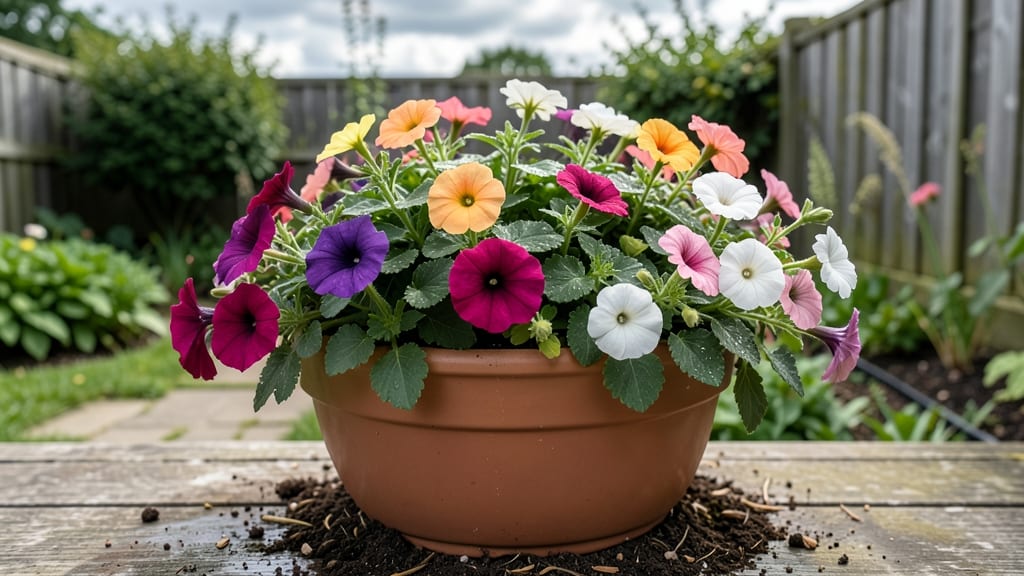
A wide flower pot can turn even the smallest balcony into a vibrant green oasis without stealing your space.
Picture this: your urban balcony overflowing with lush greenery, not because you have acres of land, but because you’ve mastered the art of working with what you’ve got. Wide pots are the secret weapon for maximizing square footage while keeping your plants happy and healthy.
Whether you’re dealing with a cramped corner or a narrow railing, the right wide pot layout can create depth, texture, and color—all while making maintenance a breeze. From trailing vines to compact shrubs, the possibilities are endless when you choose the right containers and pair them with the perfect plants.
In this guide, I’ll show you how to style wide flower pots for maximum impact, from color coordination to plant combinations that thrive in tight spaces. Ready to transform your balcony into a thriving garden?
Best wide flower pots for urban balcony gardens
Urban balconies often feel cramped, but wide flower pots can work magic by creating a lush, space-efficient garden. These containers maximize root space while keeping your footprint small—perfect for herbs, trailing plants, and shallow-rooted flowers.
The key lies in selecting the right material, size, and drainage to prevent root rot and ensure healthy growth in limited square footage.
When shopping for wide pots, prioritize lightweight yet durable materials like fiberglass, resin, or ceramic with reinforced bases. These options balance portability with stability, crucial for windy city balconies.
Avoid heavy stone or thick terracotta unless you have a sturdy railing—every pound counts when moving pots for seasonal care or rain protection.
Drainage is non-negotiable in wide pots. Without proper holes or a self-watering reservoir, excess moisture traps roots, leading to fungal diseases. Look for pots with pre-drilled holes or add a layer of gravel at the bottom if DIY-ing.
For extra insurance, elevate pots on feet or saucers to prevent water pooling on your balcony surface.
Size matters: Aim for 12-18 inches in diameter to accommodate most herbs and small shrubs. Wider pots (20+ inches) are ideal for trailing plants like petunias or ferns, but they require deeper soil to support sprawling roots.
Always match pot width to your plant’s mature spread—overpotting wastes soil and water.
For self-watering solutions, consider wide pots with built-in reservoirs or add a wicking system using a terracotta saucer and capillary matting. This reduces maintenance—ideal for busy urban gardeners. Just ensure the reservoir doesn’t exceed the pot’s width, or you’ll lose precious balcony space to bulk.
Color and texture also play a role in urban gardening. Light-colored pots reflect heat, protecting roots in sunny climates, while dark pots absorb warmth for cold balconies.
Glazed ceramic or painted resin pots add a polished look, but avoid glossy finishes—they hide soil moisture levels, making it harder to monitor watering needs.
Don’t overlook modular pot systems like stackable trays or interconnected planters. These maximize vertical space while keeping roots contained. Pair wide pots with wall-mounted shelves or hanging planters to create a multi-level garden that thrives in tight quarters.
Pro tip: Line wide pots with landscape fabric before adding soil to prevent clumping and improve drainage. This trick extends the life of your pots by reducing root-bound issues and soil compaction over time.
Finally, rotate your wide pots every 2-3 weeks to ensure even sunlight exposure. Plants lean toward light sources, and consistent rotation keeps them balanced—critical for compact urban gardens where space is at a premium.
Creative space-saving layouts using wide flower pots
Wide flower pots are your secret weapon for turning a tiny balcony into a thriving garden. The key is vertical space and modular systems that create layers of greenery without sacrificing square footage.
By stacking, tiering, or arranging pots strategically, you can maximize sunlight exposure and airflow while keeping your plants happy and healthy.
Start by assessing your balcony’s sunlight patterns—most urban spaces get partial shade or morning sun. Place taller pots near walls to avoid blocking light for shorter plants below.
For example, a 12-inch-wide pot with trailing petunias can sit atop a 18-inch-wide pot of compact lavender, creating a cascading effect that draws the eye upward.
Here’s how to arrange your wide pots for maximum impact:
- Vertical Stacking: Use wall-mounted brackets to stack pots at varying heights. Place sun-loving plants (like succulents) on the top tier and shade-tolerant plants (like ferns) below.
- Tiered Trays: Nest pots of different widths in a three-tiered stand. The widest pot at the bottom holds sturdy plants (e.g., rosemary), while the top tier features trailing plants (e.g., string of pearls).
- Modular Grids: Arrange identical wide pots in a 3x3 grid on a balcony railing. Alternate plants with varying heights (e.g., calibrachoa and basil) to create visual interest.
- Corner Creations: Place a wide, shallow pot in a corner with a mix of upright and spiller plants. For example, geraniums in the center and thyme trailing over the edges.
- Hanging + Wide Combo: Pair a wide hanging pot with a floor-standing pot. The hanging pot (e.g., petunias) adds height, while the wide pot (e.g., orchids) provides a sturdy base.
Don’t forget to rotate pots weekly to ensure even sunlight exposure, especially if your balcony gets morning sun. Group pots with similar watering needs together to simplify care. For instance, place drought-tolerant sedum near the railing where it’s easier to overlook, and keep thirsty impatiens closer to your watering station.
Add vertical elements like trellises or obelisks to guide trailing plants upward, freeing up floor space. For example, a wide pot of clematis at the base of a trellis will climb while still benefiting from the pot’s width for root expansion.
This trick works especially well in narrow balconies where horizontal space is limited.
Finally, play with color and texture to tie your layout together. Use pots in a cohesive palette (e.g., terracotta and sage green) and mix plants with varying foliage—think silver-blue artemisia next to deep purple helichrysum. The result? A low-maintenance, high-impact garden that feels intentional and inviting.