
Blooming
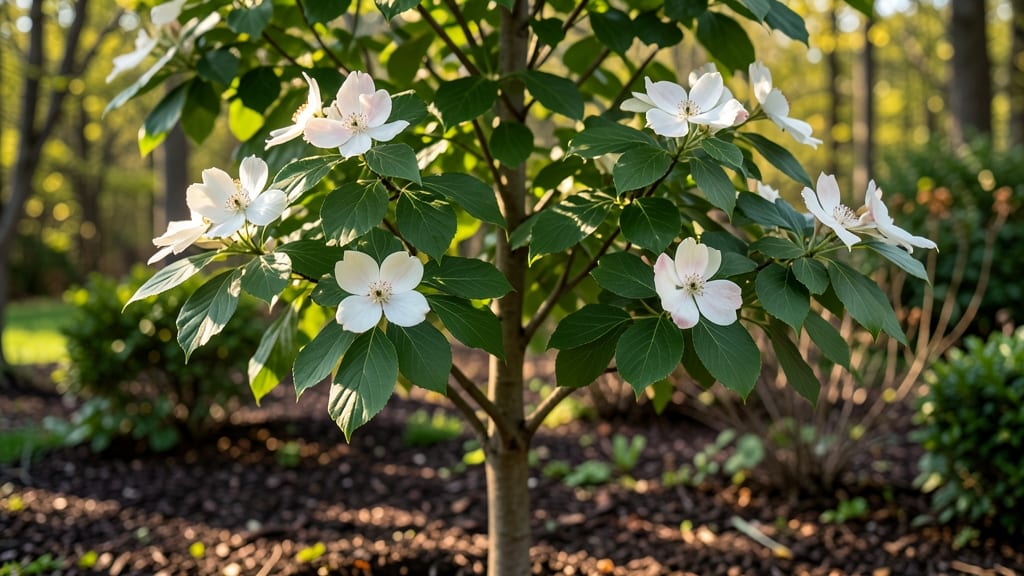
The flowering dogwood bloom arrives like a splash of springtime magic 🌸—but what if you could make that magic last longer than just a few fleeting weeks?
Picture this: your garden stays vibrant well past the traditional bloom season, with dogwoods that transition seamlessly into summer greenery and fiery fall foliage. The secret isn’t just luck—it’s about understanding the right care, from sunlight exposure to strategic pruning.
With the right techniques, you can transform your dogwood from a seasonal highlight into a year-round star.
In Zone 6a and beyond, the timing of your dogwood’s bloom depends on factors like soil pH, water consistency, and even last year’s pruning choices. Too much shade? Blooms may fade early.
Over-pruning? You might skip them entirely. But get these details right, and you’ll enjoy that iconic 4-inch bloom for weeks longer than average—plus a canopy that stays stunning through autumn.
Here’s how to extend your dogwood’s seasonal show: we’ll cover the science-backed care that keeps blooms vibrant, plant pairings that bridge the gaps between seasons, and how to spot (and fix) the common mistakes that rob trees of their best display. Let’s turn your dogwood into the garden’s all-star performer.
How to maximize flowering dogwood bloom time for longer color displays
The flowering dogwood bloom typically graces gardens for just 2-3 weeks, but with strategic care, you can extend that vibrant display by 3-6 weeks. The secret lies in understanding its natural blooming cycle and creating ideal growing conditions.
Dogwoods bloom on old wood, meaning this year's flowers form on last year's branches. Proper pruning, soil health, and watering techniques all play critical roles in prolonging those stunning white, pink, or red flowers.
Dogwoods thrive in USDA zones 5-9 and prefer acidic soil with a pH between 5.0 and 6.0. When planted in the right location with proper care, they can reward you with extended bloom periods and healthier foliage.
Let's explore the science-backed strategies that will transform your dogwood from a fleeting spring highlight into a year-round garden star.
| Care Factor | Short Bloom Period | Extended Bloom Period |
|---|---|---|
| Sunlight | Partial shade only | Morning sun + afternoon shade |
| Soil pH | Neutral (6.5-7.5) | Acidic (5.0-6.0) |
| Watering | Inconsistent | Deep weekly soaks |
| Pruning | After blooming | Directly after flowering |
| Fertilization | None | Balanced 10-10-10 in spring |
| Mulching | None | 2-3" organic mulch |
One of the most critical factors for extending bloom time is proper sunlight exposure. While dogwoods tolerate partial shade, they need at least 4-6 hours of morning sunlight to set flower buds properly.
Avoid planting them in deep shade where they'll struggle to produce blooms. The right balance of light helps the tree store enough energy during the growing season to support longer flowering periods.
When it comes to soil preparation, dogwoods demand well-draining, acidic soil. Test your soil's pH and amend it with sulfur or peat moss if needed to reach that ideal 5.0-6.0 range.
I've found that adding a 2-inch layer of compost around the root zone in early spring gives my dogwoods a nutritional boost that translates to more abundant and longer-lasting blooms. This simple amendment can make a dramatic difference in bloom quality.
Watering plays a crucial role in bloom duration too. Deep watering once weekly during the growing season helps establish strong root systems that support more flowers. However, avoid overwatering—dogwoods hate soggy roots. I recommend using a soaker hose to deliver water slowly at the base of the tree.
This method reduces evaporation and ensures water penetrates deeply, which is essential for healthy flower production.
Timing is everything when it comes to pruning flowering dogwoods. Always prune immediately after blooming to avoid cutting off next year's flower buds. Never prune in late summer or fall. I've seen gardeners accidentally remove potential blooms by pruning at the wrong time.
For established trees, remove only dead, diseased, or crossing branches. This selective approach maintains the tree's natural shape while preserving its flowering potential.
Another often-overlooked strategy is mulching. Applying a 2-3 inch layer of organic mulch like wood chips or pine straw helps maintain even soil moisture and temperature. This consistent environment encourages stronger root development and better nutrient uptake, both of which contribute to longer bloom periods.
Just be sure to keep mulch 6 inches away from the tree trunk to prevent rot.
For maximum impact, consider adding a layered planting scheme around your dogwood. Underplant with shade-tolerant perennials like hostas or ferns that complement the dogwood's blooms. This not only extends your garden's visual interest but also creates a more favorable microclimate that can help your dogwood thrive.
The right companions can even reflect light back onto the dogwood, potentially enhancing its bloom duration.
Don't forget about seasonal care throughout the year. In late winter, apply a slow-release fertilizer to give your dogwood a nutritional head start. During summer, monitor for dogwood borers—these pests can weaken trees and reduce flowering.
I've had success using beneficial nematodes as a preventive measure. Finally, in fall, remove any fallen leaves to prevent fungal diseases that could impact next year's blooms.
With these strategies combined, you can transform your flowering dogwood from a brief spring spectacle into a seasonal showstopper. The key is consistency—proper sunlight, soil care, watering, and pruning work together to
Year-round dogwood garden design: pairing blooms with fall foliage and winter interest
The flowering dogwood bloom steals the show in spring, but its star power doesn't end there. With strategic plant pairings, you can create a garden that thrives through all four seasons.
The key is balancing understory plants that complement dogwoods' blooms, fall foliage that pops against their bark, and winter interest from evergreens and berries. This approach ensures your garden remains vibrant even when dogwoods take a seasonal break.
Start by focusing on the flowering dogwood bloom itself—its delicate petals and vibrant colors set the stage. Pair it with early spring bloomers like hellebores or bleeding hearts to extend the show. These plants fill gaps before dogwoods fully leaf out, creating a seamless transition.
For fall foliage, consider maples or serviceberry trees—their fiery hues contrast beautifully with dogwood bark, adding depth to your landscape.
🌿 Seasonal Plant Pairings for Dogwood Gardens
- Spring: Hellebores (shade-tolerant blooms) + Dutchman's breeches (early wildflower)
- Summer: Hostas (lush foliage) + Japanese painted ferns (textured understory)
- Fall: Oakleaf hydrangea (purple foliage) + Virginia sweetspire (crimson leaves)
- Winter: Winterberry holly (red berries) + Inkberry holly (evergreen structure)
Don't overlook winter interest—this is where evergreens like inkberry holly or boxwood shrubs shine. Their glossy leaves provide structure when dogwoods are dormant, while winterberry holly offers bold red berries that persist through cold months. Place these plants strategically around your dogwoods to create year-round visual anchors.
For understory plants, prioritize those with low light tolerance since dogwoods cast shade. Ferns, lungwort, and Solomon's seal thrive in these conditions while adding texture.
Mulch with wood chips to retain moisture and suppress weeds, keeping your understory looking pristine. This layering technique ensures every season has its own unique charm.
Extend the flowering dogwood bloom season by incorporating late-season bloomers like asters or goldenrod. These plants bridge the gap between spring blooms and fall foliage, creating a continuous display.
Pair them with ornamental grasses like fountain grass for movement and contrast. The result? A garden that feels alive and dynamic all year.
Finally, consider vertical interest with climbing plants like clematis or trumpet vine. Train them near your dogwoods to add height and color variety. This technique draws the eye upward, highlighting the dogwood's natural form while filling empty spaces.
With these pairings, your dogwood garden will be a year-round masterpiece—not just a spring highlight.