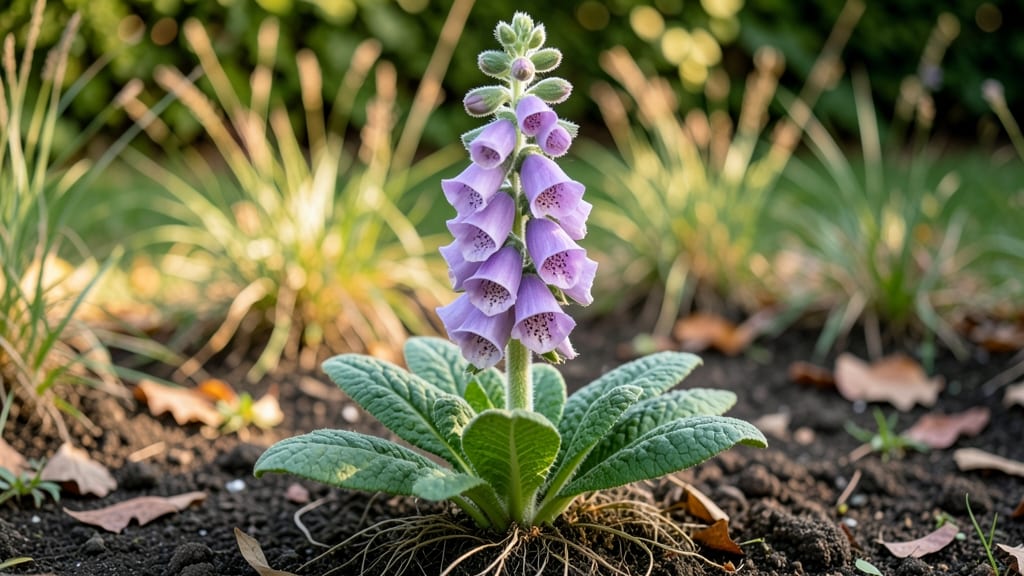
The foxglove flower blooms between late spring and early summer, with timing that depends on your variety and location.
If you’ve ever planted foxglove (Digitalis purpurea) hoping for dramatic spires of bell-shaped blooms—only to wait in vain—you’re not alone. This iconic garden plant’s bloom time varies wildly by variety, and knowing the exact months for peak color can mean the difference between a stunning display and disappointment.
For USDA Zone 6a, most foxglove varieties bloom between June and August, though early varieties like 'Pam’s Choice' may start as soon as May. In cooler climates, expect blooms to push slightly later, while warmer regions might see flowers appear a few weeks sooner.
Below, I’ll break down the exact bloom windows by variety, share how to time your planting for guaranteed summer color, and reveal the three biggest mistakes that delay—or even prevent—blooming. You’ll also learn whether deadheading affects subsequent flowering and how to encourage healthy, long-lasting blooms.
Foxglove bloom time by variety: exact months for peak flowering
Foxglove (Digitalis purpurea) is famous for its striking vertical flower spikes, but not all varieties bloom at the same time. Understanding foxglove bloom time by variety helps you plan for summer color and avoid disappointment.
Most foxgloves are biennials, meaning they flower in their second year, while some newer hybrids behave as short-lived perennials. Below, I’ve broken down the peak bloom months for 12 popular varieties, including adjustments for cooler climates and warmer regions.
For biennial foxgloves, planting seeds in late summer or early fall ensures they establish roots before winter and flower the following late spring to early summer. Perennial varieties, like 'Pam’s Choice', may rebloom lightly if deadheaded.
Always plant in partial shade to prevent leggy growth and ensure robust blooms. Let’s dive into the specifics to help you time your foxglove planting perfectly for year-round garden interest.
| Variety |
Bloom Time (USDA Zone 6a) |
First Year? |
Duration |
Notes |
| 'Pam’s Choice' |
June–August |
No (perennial) |
6–8 weeks |
Reblooms lightly with deadheading |
| 'Giant Candelabra' |
July–September |
Yes (biennial) |
8–10 weeks |
Tallest variety; stake for support |
| 'Dalmatian Pink' |
June–July |
Yes (biennial) |
4–6 weeks |
Early bloomer; loves cool nights |
| 'Excelsior' |
July–August |
Yes (biennial) |
6–8 weeks |
Dwarf variety; great for borders |
| 'Black Beauty' |
June–July |
Yes (biennial) |
5–7 weeks |
Dark purple blooms; attracts hummingbirds |
| 'Apple Blossom' |
July–August |
Yes (biennial) |
6–8 weeks |
Soft pink; fragrant blooms |
| 'Camille' |
June–September |
No (perennial) |
10–12 weeks |
Longest bloom period; heat-tolerant |
| 'Foxglove' (species) |
July–August |
Yes (biennial) |
6–8 weeks |
Classic purple; self-seeds freely |
| 'Peach Melba' |
June–July |
Yes (biennial) |
4–6 weeks |
Soft peach blooms; early season |
| 'Moonlight' |
July–August |
Yes (biennial)
How to time your foxglove planting for guaranteed summer blooms
Timing your foxglove planting is the secret to unlocking those showstopping summer blooms you’ve been dreaming of. Unlike many annuals, foxglove thrives when planted at just the right moment—either in early spring or late summer.
Miss these windows, and you might end up with leggy, sparse stems instead of those towering flower spikes reaching toward the sky.
Most gardeners focus solely on spring planting, but fall sowing can actually give you a head start for next year’s blooms. The key lies in understanding your USDA hardiness zone and adjusting for local frost dates.
For example, in Zone 6a, aim for March-April planting, while cooler zones may need to wait until May to avoid frost damage.
- 🌱 Step 1: Test Soil & Amend - Foxglove loves well-draining, slightly acidic soil (pH 6.0-7.0). Mix in 2 inches of compost and a handful of sand if your soil feels heavy.
- 📅 Step 2: Choose Planting Time - Spring: 4-6 weeks before last frost. Fall: 6-8 weeks before first frost for overwintering.
- 🌿 Step 3: Plant Seeds vs. Transplants - Direct-sow seeds ½ inch deep in spring or fall. Transplants can go in anytime after frost.
- ☀️ Step 4: Select the Right Spot - Partial shade (4-6 hours sun) is ideal. Avoid hot afternoon sun which can scorch leaves.
- 💧 Step 5: Water Deeply & Mulch - Soak soil after planting, then maintain consistent moisture. Apply 2-inch mulch layer to retain humidity.
- 🌸 Step 6: Deadhead for Extending Blooms - Remove spent flowers to encourage second flushes in late summer.
For fastest establishment, focus on soil prep before planting. Foxglove roots struggle in compacted or waterlogged soil, so loosen the top 12 inches of soil and mix in organic matter.
A quick trick? Plant near comfrey or yarrow—these companion plants improve soil structure while repelling pests like slugs.
If your foxglove takes too long to bloom, check these common culprits: overcrowding (thin seedlings to 12 inches apart), poor light (move to brighter spot), or nutrient deficiency (feed with balanced fertilizer in spring).
Biennial varieties like 'Pam’s Choice' often need two growing seasons to reach full bloom potential.
With the right timing and care, your foxglove will reward you with months of drama from June through August. The secret? Start early, nurture the roots, and give them the perfect balance of sun and shade. Your garden’s summer centerpiece is just one planting session away! 🌷
★★★★★5.0(4 reviews)
|