
Blooming
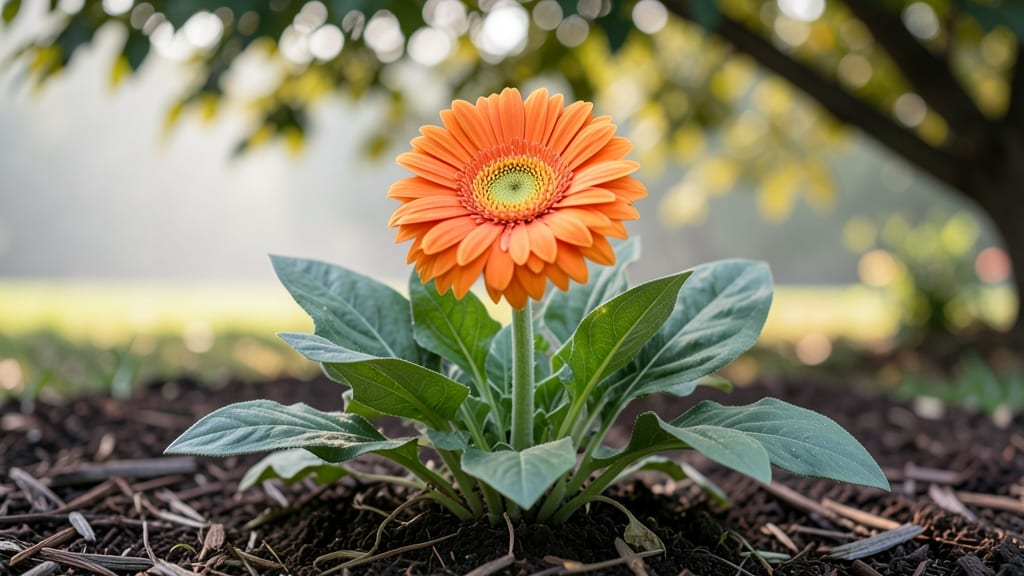
The gerbera flower season in spring and summer brings a burst of color with these cheerful blooms 🌼, but the exact timing depends on your location and care routine.
If you’ve ever dreamed of vibrant gerbera daisies brightening your garden, timing their planting and bloom season is the secret to success—especially when USDA zones and color varieties come into play.
In warmer zones like 9-11, these cheerful flowers can start blooming as early as April, while in cooler areas like 6a, you’ll likely see them shine from June to September. The key? Planting after the last frost and giving them full sun.
Below, I’ll break down the best planting windows by zone, how to pick the right colors for your season, and simple tricks to keep them blooming longer—no green thumb required.
Gerbera flower season by USDA zone: when to plant for peak blooms
Gerbera daisies (Gerbera jamesonii) are famous for their vibrant colors and cheerful blooms, but their planting timing varies dramatically by USDA zone. Whether you're in cool coastal zones or hot desert climates, understanding these windows ensures year-round color in your garden.
Let’s break down the best planting months and bloom periods for each zone—plus how to choose early, mid, and late-season varieties for continuous flowers.
Gerberas thrive in warm seasons but can be finicky about frost and heat extremes. In cooler zones (3-7), they need spring planting after the last frost, while warmer zones (8-11) allow for fall or winter planting to avoid summer heat stress.
The key is aligning your variety selection with your local climate to maximize blooms. For example, red gerberas often bloom earlier in the season, while yellow varieties may last longer in heat.
In USDA zones 3-5, where winters are harsh, focus on spring planting after the last frost date—typically late April to early May. Choose early-blooming varieties like 'Red Velvet' or 'Pink Nymph' to ensure flowers appear before summer heat sets in.
These zones often see July to September blooms, so plan your garden layout to highlight them during late summer when other flowers may fade.
Gardeners in zones 6-7 have the advantage of two planting windows: spring (April–May) and fall (September). Spring-planted gerberas bloom from June to October, while fall plantings can extend color into early winter before frost.
For continuous blooms, mix early, mid, and late-season varieties—like 'Sunburst' (orange) for mid-summer and 'Rainbow' (bi-color) for fall.
Warmer climates in zones 8-9 allow for fall and winter planting, with blooms appearing as early as March. However, avoid planting in peak summer, as gerberas struggle with temperatures above 90°F (32°C).
Instead, opt for September–October plantings to enjoy spring and fall color. Varieties like 'Golden Dream' (yellow) thrive in these zones and tolerate mild heat better than others.
For USDA zones 10-11, gerberas can be grown year-round in containers, making them ideal for urban gardens or patios. Stagger plantings every 4-6 weeks to ensure continuous blooms.
Use heat-tolerant varieties like 'Tropic Orange' and provide afternoon shade during summer to prevent wilting. In these zones, gerberas can bloom any month with proper care.
To extend your gerbera season, consider container gardening, which allows you to move plants to optimal sunlight and temperature conditions.
For example, in zone 7, you might start seeds indoors in March, transplant outdoors in May, and then move containers to a sheltered spot in fall to prolong blooms. Mulching with straw or pine needles also helps regulate soil temperature and retain moisture.
Pro tip: Always plant gerberas in well-draining soil with full sun exposure (6+ hours daily). Amend heavy clay soils with compost or sand to prevent root rot, a common issue in humid zones (7-9). Deadhead spent blooms regularly to encourage
Best gerbera colors and their natural bloom seasons
Gerbera daisies aren’t just pretty—their colors actually influence when they bloom! Red and orange varieties often flower earlier in the season, thriving in spring warmth (think late April to June), while yellow and white gerberas may wait until summer’s peak (July-August).
Bi-color blooms? They’re the late bloomers, often gracing gardens in late summer or even early fall.
For cut flowers, timing matters too. Red gerberas (like ‘Scarlet’ or ‘Ruby’) are prized for Mother’s Day bouquets (May), while yellow varieties (such as ‘Sunburst’) shine in July 4th arrangements.
If you’re growing for garden displays, heat-tolerant pinks (like ‘Pink Beauty’) can handle 90°F+ days better than delicate whites.
- 🌸 Red/Orange Gerberas: Bloom earliest (late spring), ideal for Mother’s Day bouquets.
- 🌻 Yellow/White Gerberas: Peak in summer (July-August), perfect for sunny borders.
- 🌈 Bi-Color Gerberas: Late bloomers (late summer/fall), thrive in cooler temps.
- 🔥 Pink Gerberas: Heat-tolerant (up to 95°F), extend blooms into early fall.
- 🌧️ White Gerberas: Sensitive to heat—bloom best in spring/fall.
Did you know color affects heat tolerance? Dark reds and oranges absorb more sunlight, so they bolt faster in hot climates—great for USDA zones 8-11. Meanwhile, light yellows and whites need gentler conditions, making them better for cooler zones (6-7).
If you’re in Zone 5 or below, opt for pink or salmon gerberas—they handle brief chills better than others.
For container gardening, yellow gerberas are your best bet—they rebloom quickly when deadheaded, giving you continuous color from June to frost. Red varieties, however, may fade faster in pots due to root stress.
Pro tip: Use black containers to warm roots and extend red gerbera blooms by 2-3 weeks!
Seasonal trends shift when you mix colors. A red-and-yellow combo in your garden will give you spring-to-fall interest, while all-white gerberas create moonlit summer displays. If you’re growing for cut flowers, bi-color varieties (like ‘Tahiti’) are longer-lasting in vases—perfect for weddings in August.
To override natural seasons, try this: Start red gerberas indoors in February (they’ll bloom by May), and plant yellows in late May for July blooms. For fall color, deadhead pink gerberas aggressively—they’ll reward you with September-October blooms even in Zone 6.
Just remember: Heat stress is the #1 enemy of white gerberas, so provide afternoon shade in July-August.