
Blooming
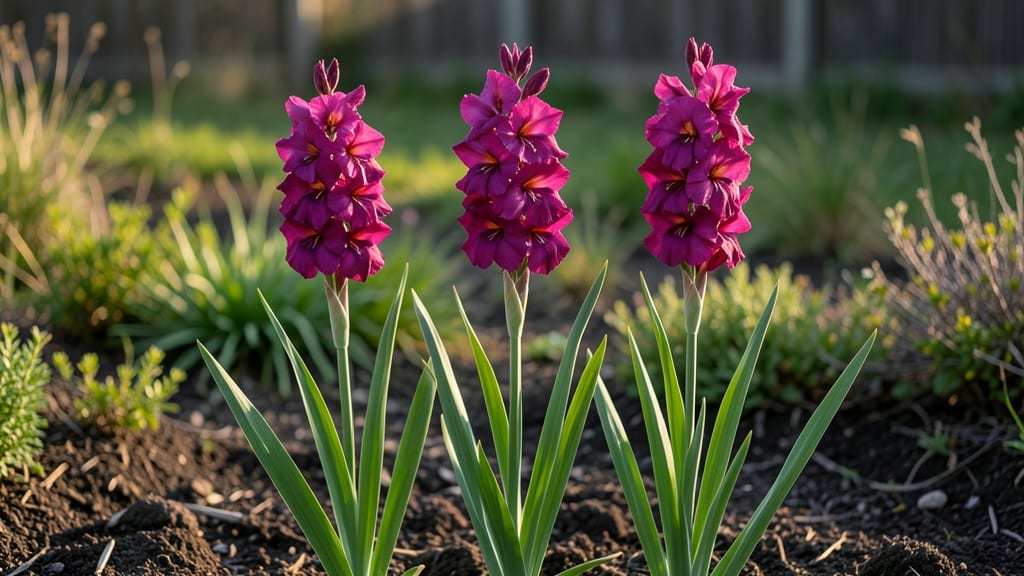
The gladioli flowering season transforms your garden into a vertical rainbow of 3- to 4-foot spikes 🌸—but only if you plant at the right time. Too early, and you’ll watch blooms fizzle in the heat; too late, and frost will steal your showstopper display.
Most gardeners in USDA Zone 6a (like me) plant in April or May for a July-September bloom, but timing shifts dramatically by region. In warmer zones, you might start as early as March, while cooler climates need to wait until late May to avoid early frost.
Here’s the secret to locking in 6-8 weeks of vibrant blooms: align your planting with your last frost date, choose the right corm size, and give them full sun.
I’ll walk you through the exact zone-by-zone schedule, plus pro tips to stretch your season into fall—or even coax earlier blooms in spring.
Ready to turn your garden into a gladioli extravaganza? Let’s dive into the planting calendar that guarantees you won’t miss a single bloom.
Gladioli flowering season by USDA hardiness zone: planting windows for peak blooms
Timing your gladioli planting is the secret to unlocking 6-8 weeks of those stunning vertical blooms. Unlike many flowers, gladioli thrive when planted after your last frost date but before soil temperatures hit 75°F.
In cooler zones, this means early spring; in warmer climates, it shifts to late winter or even fall for winter blooms. The key is matching your USDA zone to the right planting window for optimal growth.
Gladioli corms need consistent warmth to sprout, but they’ll bolt if exposed to extreme heat too soon. Most varieties take 90-120 days to bloom, so planting too early in hot zones risks premature wilting, while late planting in cold zones may cut your season short.
Let’s break down the perfect planting schedule for each zone to ensure you get peak summer color.
Soil temperature is your first clue—gladioli corms won’t sprout until the ground reaches 60°F. Use a soil thermometer to check before planting. In Zones 3-5, wait until mid-May when nights stay above 50°F. In Zones 6-8, aim for early April to mid-May, while Zones 9-11 can plant as early as February for spring blooms or September for winter color.
Here’s how to calculate your ideal planting window: Subtract 120 days from your average first frost date. For example, if frost hits October 15 in your area, plant by June 15 to finish blooming before cold sets in. Use this zone-by-zone comparison to find your exact timing:
In Zones 3-5, where summers are short, focus on early-blooming varieties like ‘White Friendship’ or ‘Pink Star’ to maximize your 4-6 week bloom window. These zones benefit from black plastic mulch to warm the soil faster.
In Zones 6-8, you can stretch blooms by planting successive batches every 2 weeks from early spring through June.
For Zones 9-11, the real magic happens with fall planting. In Zone 10, September plantings often bloom by Christmas, while Zone 11 gardeners can enjoy gladioli nearly year-round.
Just be mindful of humidity—these zones need improved drainage to prevent corm rot. Use raised beds or sandy soil mixes if your native soil holds too much moisture.
Pro tip: Test your soil temperature before
How to extend your gladioli flowering season: pro tips for longer blooms
Want those gladioli blooms to last well into fall—or even start earlier in spring? The secret lies in smart succession planting and corm care. By adjusting your planting schedule and giving your gladioli the right conditions, you can stretch their flowering season by 3-4 weeks or more.
Here’s how I’ve successfully pushed my gladioli’s showstopper spikes into late September in Zone 6a.
First, choose late-blooming varieties like 'Green Star' or 'Black Star'—these stay vibrant longer in cooler weather. Pair them with heat-tolerant types like 'White Prosperity' for staggered blooms.
The key is planting in two waves: your first batch 4-6 weeks before your usual date, followed by a second batch 2-3 weeks later. This creates a continuous bloom cycle from early summer to frost.
Don’t forget to fertilize strategically—apply a balanced 10-10-10 fertilizer at planting, then again when flower spikes emerge. In high-heat zones, reduce watering slightly to prevent leggy growth, which weakens stems.
I’ve found that drip irrigation in the morning keeps foliage dry and reduces fungal risks like botrytis.
For a fall extension, try planting corms in late summer (August in Zones 5-7) for late-season blooms. Choose short-day varieties like 'Dixie Friendship' that respond better to shorter daylight. Just be sure to protect them with row covers if frost threatens early.
With these pro tips, you’ll turn your gladioli from a summer-only spectacle into a season-long centerpiece. My Zone 6a garden now enjoys blooms from early July to mid-October—and the best part? Those revived corms produce even bigger spikes the next year! 🌸