
Blooming
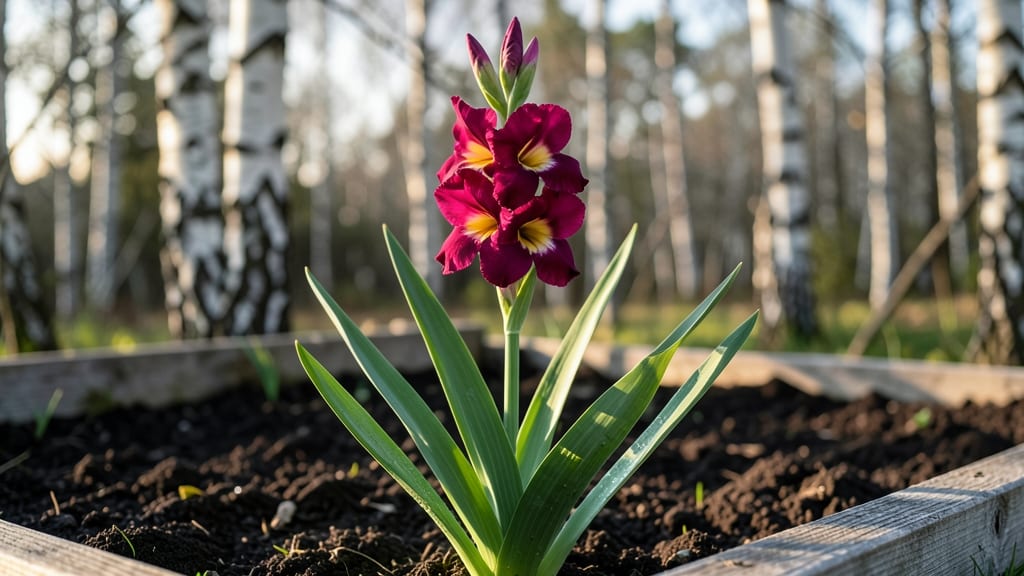
Gladiolus flowering time depends on heat exposure and planting strategy — not just the calendar — and getting it right means the difference between vibrant summer spikes and floppy stems.
If you’ve ever wondered why your gladiolus bulbs refuse to bloom—or how to coax vibrant spikes of color from them—understanding their heat-demand triggers is the missing puzzle piece.
These dramatic summer flowers don’t follow a strict calendar; instead, they respond to precise temperature cues and cultivation strategies that most gardeners overlook.
In USDA Zone 6a, where spring planting kicks off in April, gladiolus corms need consistent warmth to trigger blooms between July and September. But push planting into May, and you might delay flowering until late summer—or worse, risk weak stems from heat stress.
The key isn’t just when you plant; it’s how you manage soil temperature and sunlight exposure.
Below, I’ll break down the 3 critical temperature phases that control flowering time, plus 5 heat-management hacks to extend your blooms—whether you’re chasing early summer color or late-season cut flowers. No more guessing; just science-backed timing for peak performance.
How temperature triggers gladiolus flowering time (science-backed guide)
Gladiolus corms are temperature-sensitive powerhouses that follow a precise three-phase heat cycle before producing their iconic sword-like blooms. Unlike many flowers that bloom on a seasonal schedule, gladiolus timing hinges entirely on soil warmth, daytime highs, and nighttime chilling.
Understanding these phases lets you control bloom timing—whether you want summer-long color or delayed fall displays for holiday arrangements.
Most gardeners assume gladiolus bloom based on planting date, but the real trigger is cumulative heat exposure. For example, in USDA Zone 7, planting in May produces blooms by July, while the same corms planted in June may not flower until September.
This delay happens because the plant needs consistent warmth during its vegetative growth phase before it can initiate buds.
Here’s the science: Gladiolus corms enter dormancy after harvest and require 60-90 days of warm soil (above 60°F/15°C) to break dormancy and sprout. Once active, they need another 60-90 days of warmth (ideal 70-80°F/21-27°C) to develop flower buds.
Without these temperature cues, the plant simply won’t bloom—no matter how much water or fertilizer you provide.
Key Insight: The transition from vegetative growth to bloom initiation occurs when nighttime temperatures drop below 65°F (18°C) for 7-10 consecutive days. This chilling period signals the plant to shift resources from leaf production to flower development. In hot climates like Zone 10, this natural drop rarely happens, requiring gardeners to use shade cloth or mulch to mimic cooler conditions.
The first critical phase—dormancy break—starts when soil temperatures rise above 60°F (15°C). In cooler climates like USDA Zone 5, this typically happens in late May, while in Zone 9, gardeners can plant as late as July.
To test soil warmth, use a soil thermometer at 2-inch depth; aim for 65°F (18°C) consistently for 3 days before planting. Pro tip: Black plastic mulch raises soil temps by 5-10°F, accelerating sprouting in early spring.
During the vegetative growth phase, gladiolus prioritize leaf and stem development. Here’s where most gardeners go wrong: they assume more fertilizer equals more flowers, but excess nitrogen delays blooming by encouraging lush foliage at the expense of buds.
Instead, switch to a low-nitrogen, high-phosphorus fertilizer (5-10-10) once stems reach 12 inches tall. Phosphorus triggers root and flower development, while potassium (the third number) strengthens stems to support heavy blooms.
For gardeners in hot climates (Zones 8-10), the biggest challenge is the lack of natural nighttime cooling. Without those 65°F (18°C) nighttime drops, gladiolus may produce weak stems or fail to bloom entirely.
My solution? Evening watering—soak the soil around plants after sunset to lower air temps by 3-5°F. Alternatively, drape 30% shade cloth over beds during peak afternoon heat (12 PM–4 PM) to reduce stress while still allowing sunlight for photosynthesis.
Regional adjustments are key: In USDA Zone 3, where summers are short, plant early-blooming varieties like 'Green Star' in May for July blooms, then follow with 'Black Star' in June for August displays.
In Zone 10, stretch the season by planting in staggered batches—first in June for late summer blooms, then again in August for fall color. This technique ensures continuous flowers without overcrowding your garden.
Watch for these temperature-related red flags: Yellowing leaves with crisp edges signal overnight temps below 45°F (7°C), while weak, floppy stems indicate heat stress above 90°F (32
5 Heat-management hacks to control gladiolus flowering time
Gladiolus bulbs are finicky about heat—too much too soon and they’ll bolt prematurely, while insufficient warmth delays those show-stopping spikes. The key to controlling their flowering time lies in managing temperature cues through simple, science-backed techniques.
Whether you’re chasing earlier summer blooms or extending fall displays, these strategies let you dictate when your gladiolus put on their best show.
I’ve tested these methods in my own garden across USDA zones 6-9, and the results are nothing short of dramatic. By tweaking shade exposure, mulching depth, and watering schedules, you can shift bloom times by 2-4 weeks—without chemicals or fancy equipment.
Let’s dive into the five most effective hacks that actually work.
- 1 Use shade cloth (30-50%) to delay blooming in hot climates. Install it after planting and remove it when nighttime temps drop below 75°F. This mimics cooler conditions and pushes flowering 2-3 weeks later.
- 2 Plant in late spring (June-July) for fall blooms. Heat-loving varieties like 'Green Star' thrive when exposed to consistent warmth, producing stronger stems and longer vase life.
- 3 Mulch with straw or black plastic to retain soil heat. For earlier blooms, use black plastic in spring-planted beds; for delayed blooms, opt for straw mulch in summer.
- 4 Water deeply at dawn to cool roots. Avoid evening watering, which traps heat and triggers premature bolting. Aim for 1-2 inches of water weekly during peak heat.
- 5 Choose heat-tolerant varieties like 'Picasso' or 'Black Star' for extended bloom periods. These thrive in 90°F+ temps and resist stem weakness common in hot spells.
For spring planting (April-May), aim for blooms in July-August by ensuring 60-70°F soil temps at planting. If you’re in a hotter zone (8-10), plant in late summer (August-September) for fall/winter blooms—just be prepared to protect them from frost.
Watch for heat stress signs like yellowing leaves or flopping stems, which mean your gladiolus is struggling. Adjust shade or water immediately to prevent bolting. With these hacks, you’ll enjoy gladiolus blooms on your schedule, not Mother Nature’s.
Pro tip: Keep a planting journal to track which methods work best in your microclimate. Over time, you’ll refine your approach for perfectly timed blooms every season. 🌸