
Size
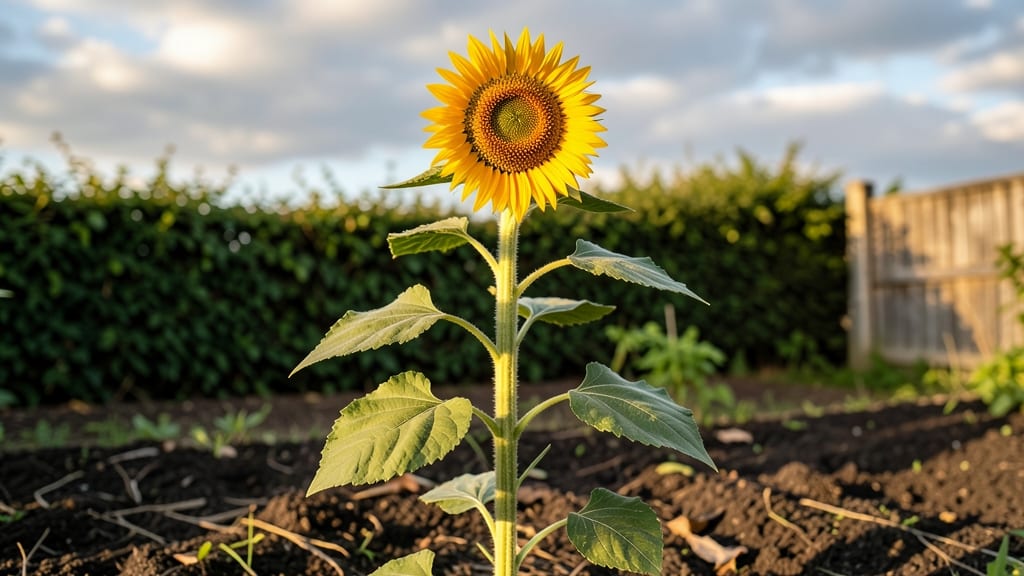
Sunflowers can grow to heights of 10 to 16 feet—towering giants that turn your garden into a living skyline.
Imagine a 🌻 variety like 'Mammoth' stretching taller than a two-story house, while 'Teddy Bear' stays cozy at just 2 to 4 feet. That’s the magic of sunflowers: they’re not just flowers, they’re architectural statements waiting to happen.
But here’s the catch: genetics aren’t the only factor. Soil quality, sunlight exposure, and even how you water them can push a sunflower toward the sky or keep it grounded. Get the conditions right, and you might just grow the tallest sunflower in your neighborhood.
In this guide, I’ll break down the exact height ranges of popular varieties, how to maximize their growth, and when to stake or prune for the perfect balance of beauty and structure.

Sunflower height by variety: from dwarf to sky-scratching giants
Sunflowers are nature’s skyscrapers, with some varieties stretching taller than a two-story house while others stay perfectly sized for patio gardens. The height of sunflowers varies dramatically—from 2-foot dwarf varieties to 16-foot giants—and your choice depends on your garden’s space and design goals.
Whether you’re dreaming of a privacy screen or a child-friendly flower bed, understanding these height ranges will help you pick the perfect variety.
Most sunflower heights fall into three broad categories: dwarf (2–4 ft), medium (4–8 ft), and giant (10–16 ft). The differences aren’t just about aesthetics—they also affect spacing needs, support requirements, and even harvest timing.
For example, a 12-foot sunflower needs plenty of root space and may require staking in windy areas, while a 3-foot variety thrives in containers or tight borders.
Here’s how to navigate the sunflower height spectrum with exact growth trajectories and the ideal conditions for each category:
| Variety Type | Mature Height | Growth Trajectory | Ideal Spacing | Best Uses |
|---|---|---|---|---|
| Dwarf | 2–4 ft | 6–8 weeks to full height | 12–18 inches apart | Containers, borders, pollinator gardens |
| Semi-Dwarf | 4–8 ft | 8–10 weeks to full height | 2–3 ft apart | Cut flowers, mid-height screens, mixed beds |
| Standard | 8–12 ft | 10–12 weeks to full height | 3–4 ft apart | Privacy screens, focal points, seed production |
| Giant | 12–16 ft | 12–14 weeks to full height | 5–6 ft apart | Architectural gardens, large-scale displays, windbreaks |
If you’re growing dwarf sunflowers like ‘Teddy Bear’ or ‘Moulin Rouge,’ expect a compact 2–3 ft frame perfect for patio pots or window boxes. These varieties mature quickly—often in just 60–70 days—and rarely need staking.
For medium-height varieties like ‘Autumn Beauty’ or ‘ProCut,’ plan for 4–6 ft stems that work beautifully in cut flower arrangements or as backdrop plants.
The real giants—like ‘Mammoth’ or ‘Russian Giant’—are the sunflower world’s skyscrapers, capable of reaching 14–16 feet under ideal conditions. These need deep, nutrient-rich soil, consistent moisture, and often physical support like bamboo stakes or trellis structures.
I once grew a 15-foot Russian Giant in my backyard, and it became the centerpiece of our summer parties—though it did require weekly tying to prevent toppling!
For optimal height control, focus on three key factors: soil fertility, watering consistency, and light exposure. Sunflowers thrive in full sun (6+ hours daily), but overcrowding or nutrient deficiencies can stunt growth.
If you’re aiming for maximum height, amend your soil with compost and phosphorus-rich fertilizer (like bone meal) before planting. Conversely, to keep dwarf varieties compact, use well-draining potting mix and avoid over-fertilizing.
Pro tip: Pruning side buds early in the season can redirect energy to the main stem, encouraging taller growth in giant varieties. Simply pinch off small buds along the stem when they’re 1–2 inches long.
This technique is especially useful if you’re growing sunflowers for seed production or structural displays, as it ensures a single, straight, towering stem.
Don’t overlook climate considerations—sunflowers in cooler regions (like USDA Zone 4) may grow 1–2 ft shorter than their southern counterparts due to shorter growing seasons.
If you’re in a shorter-season zone, opt for fast-maturing varieties like ‘Early Bird’ (50 days) or ‘Sunspot’ (60 days) to maximize height potential. Conversely, longer-season varieties like ‘American Giant’ (1
How sunflower height affects your garden: space planning and structural uses
Sunflowers aren’t just pretty faces—they’re garden architects. Their height determines everything from border design to privacy screens. A 3-foot 'Teddy Bear' creates a whimsical border, while a 12-foot 'Russian Giant' becomes a living trellis for climbing plants.
The right variety in the right spot transforms your yard into a layered masterpiece.
Think of sunflower height like building blocks. Dwarf varieties (2–4 feet) work perfectly for container gardens or front-yard borders, while medium types (5–8 feet) shine as cut flowers or backdrop plants. Giants (10+ feet)? Those are your natural privacy screens or windbreaks—if you have the space.
- 🌱 Dwarf Varieties (2–4 ft): Ideal for container gardens or front borders. Use 'Teddy Bear' or 'Moulin Rouge' near patios or walkways.
- 🌿 Medium Varieties (5–8 ft): Perfect for cut flower arrangements or backyard accents. 'Autumn Beauty' or 'ProCut' thrive in flower beds.
- 🌳 Giant Varieties (10–16 ft): Turn into natural trellises or privacy screens. 'Mammoth' or 'Russian Giant' need 6+ feet of space all around.
- 🪴 Spacing Rules: Dwarf: 12–18 inches apart; Medium: 2–3 feet apart; Giant: 4–6 feet apart.
- ✂️ Pruning Tip: Pinch back top buds on giants to encourage bushier growth—great for screening.
Spacing is where many gardeners trip up. Overcrowding leads to weak stems and fungal issues, while too much space wastes potential. For dwarf varieties, keep them 12–18 inches apart in containers or borders.
Medium types need 2–3 feet to avoid competition, and giants? Give them 4–6 feet—they’re not shy about spreading.
Here’s a pro move: use giant sunflowers as natural trellises. Plant them along fences or decks, then train cucumbers or beans to climb their sturdy stems. The sunflowers provide shade and structure while the vines add vertical interest. It’s like a living pergola without the hassle.
For cut flowers, medium-height varieties like 'ProCut' or 'Autumn Beauty' are goldmines. Their 5–8 foot stalks stay sturdy enough for bouquets but aren’t so tall they flop in windy spots. Harvest in the morning after dew dries for the longest vase life.
Don’t forget: height isn’t just about space—it’s about light and airflow. Tall sunflowers cast deep shadows, so pair them with shorter, shade-tolerant plants like basil or marigolds at their base.
And if you’re growing giants, stake them early—even the toughest stems can bend under their own weight.