
Flowers
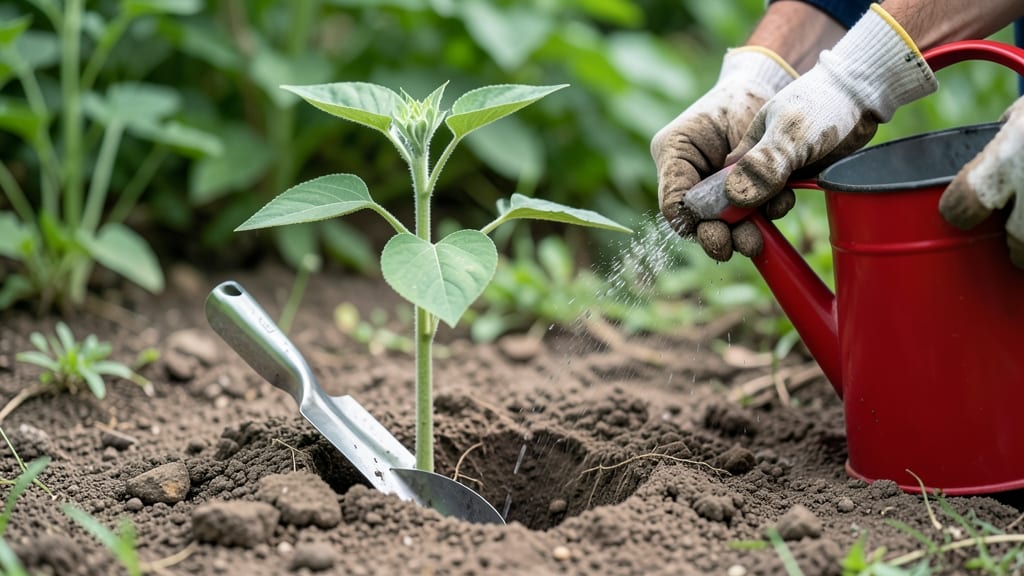
Transplanting sunflowers at the right depth is the key to sturdy stems and strong growth—too shallow or too deep can weaken your 🌻 seedlings before they even take off.
Most gardeners dig a hole and hope for the best, but sunflowers need precision. Plant them too deep, and you’ll smother the crown; too shallow, and they’ll flop over in the first breeze.
The exact depth depends on your seed size, and getting it wrong can mean the difference between a thriving plant and a sad, stunted one.
Here’s what you need to know: the ideal transplant depth for sunflowers, how to prep the soil for maximum root success, and the easiest way to handle seedlings so they survive the move.
Whether you’re dealing with tiny seeds or giant varieties, these steps will give your sunflowers the best possible start.
By the end, you’ll know exactly how deep to bury those roots, when to transplant for the strongest stems, and how to care for your sunflowers so they grow tall and proud—just like they’re supposed to.


Optimal sunflower transplant depth by seed size for maximum germination
Sunflowers thrive when transplanted at the correct depth, but most gardeners overlook how seed size affects ideal planting depth. Small seeds need shallower placement, while large seeds benefit from deeper holes to prevent seedling stress.
The right depth ensures strong root development and stem stability, especially for towering varieties like 'Mammoth' sunflowers that can reach 15 feet.
Depth isn’t just about seed size—it’s also about soil type and climate conditions. Sandy soil drains faster, so seeds need slightly deeper planting to retain moisture, while clay soil holds water longer, requiring shallower depths.
In hot climates, deeper planting helps seeds stay cool and moist until germination. Understanding these factors can double your germination rates and prevent leggy, weak stems.
Here’s the science: Sunflower seeds contain stored energy reserves in their cotyledons (seed leaves). Planting too deep forces seedlings to push harder to reach light, weakening stems. Conversely, shallow planting exposes seeds to drying out. The optimal depth balances these needs, ensuring efficient energy use for root and shoot growth.
For small sunflower seeds (like 'Teddy Bear' or 'Sunspot' varieties), the ideal depth is ½ to 1 inch. Larger seeds (such as 'Russian Giant' or 'Autumn Beauty') should go 1 to 2 inches deep.
This difference accounts for their energy reserves and seedling vigor, preventing overcrowding or stunted growth.
Why does this matter for stem strength? Sunflowers develop their taproot system early, and proper depth encourages deep root penetration. Shallow planting can lead to weak anchorage, causing stems to snap in wind or storms.
For giant varieties, deeper planting (up to 2 inches) supports their tall, heavy heads, reducing the risk of lodging (falling over).
Adjustments are needed for heavy clay soil, where deeper planting (up to 1.5x the seed size) prevents waterlogging. In sandy soil, reduce depth by 20–30% to avoid drying out.
Always loosen soil around the hole to improve root spread. For container growing, use a well-draining mix and plant seeds slightly shallower (½ inch) to prevent rot.
Timing also plays a role. Transplant sunflowers when soil temps reach 55–60°F—cooler soil slows germination, while warmer soil speeds it up. If transplanting seedlings (not seeds), dig holes just deep enough to cover the root ball without burying the crown.
This prevents stem rot and ensures the plant can photosynthesize immediately.
Pro tip: Use a seedling dibber or pencil to mark planting depth before placing seeds. This avoids guesswork and ensures consistency, especially in large gardens. After planting, gently press soil around seeds to remove air pockets, then water lightly to settle the soil without displacing seeds.
Monitor your sunflowers for signs of transplant shock, like yellowing leaves or stunted growth. These often signal incorrect depth or poor soil contact. If you notice leggy seedlings, they were likely planted too shallow—replant deeper immediately.
With the right depth, your sunflowers will grow straight, sturdy, and vibrant, reaching their full potential.
🌱
Step-by-step guide to transplanting sunflowers at the right depth
Transplanting sunflower seedlings at the wrong depth can lead to weak stems or even death, but getting it right is simpler than you think. The key lies in understanding how seedling size and soil type affect root development.
For compact varieties (like 'Teddy Bear'), aim for shallower holes, while giant sunflowers (such as 'Mammoth') need deeper planting to support their height. Let’s break this down into clear, actionable steps.
Before you begin, gather your tools: a trowel, measuring tape, garden gloves, and a small bucket of water. Work on a cloudy day or early morning to reduce transplant shock.
Sunflowers thrive in well-draining soil, so amend heavy clay with compost if needed. Now, let’s dive into the exact method for planting at the perfect depth.
Step-by-Step Sunflower Transplanting Guide
- 1 Prepare the hole: Dig a hole twice as wide as the seedling’s root ball. For standard varieties, aim for a depth of 1-2 inches below the seedling’s soil line. For dwarf varieties, keep it at 1 inch.
- 2 Loosen the roots: Gently tease apart the seedling’s root ball with your fingers to encourage root spread. Avoid damaging the stem or leaves, as this increases stress.
- 3 Position the seedling: Place the seedling in the hole so the crown (where the roots meet the stem) sits just below soil level. For giant varieties, bury the crown ½ inch deeper to support their height.
- 4 Backfill carefully: Fill the hole with loose soil, pressing gently to remove air pockets. Avoid compacting the soil too tightly, as this can restrict root growth.
- 5 Water thoroughly: Pour 1 gallon of water around the base of the seedling to settle the soil and encourage root contact. Avoid soaking the leaves to prevent disease.
- 6 Mulch and monitor: Apply 2 inches of mulch around the base to retain moisture and regulate soil temperature. Check the soil daily for the first week to ensure it stays moist but not soggy.
After transplanting, keep an eye out for signs of transplant shock, like wilting leaves or yellowing. If you notice these, water lightly and provide light shade for a few days.
Sunflowers are resilient once established, but the first few weeks are critical. With the right depth and care, your seedlings will grow into strong, vibrant plants ready for blooming.
For giant sunflower varieties, consider staking them early to prevent stem breakage as they grow. Use bamboo stakes or soft ties to support their height without restricting growth. Remember, the deeper and more securely you plant, the taller and healthier your sunflowers will become. Happy gardening!
🌱