
How To
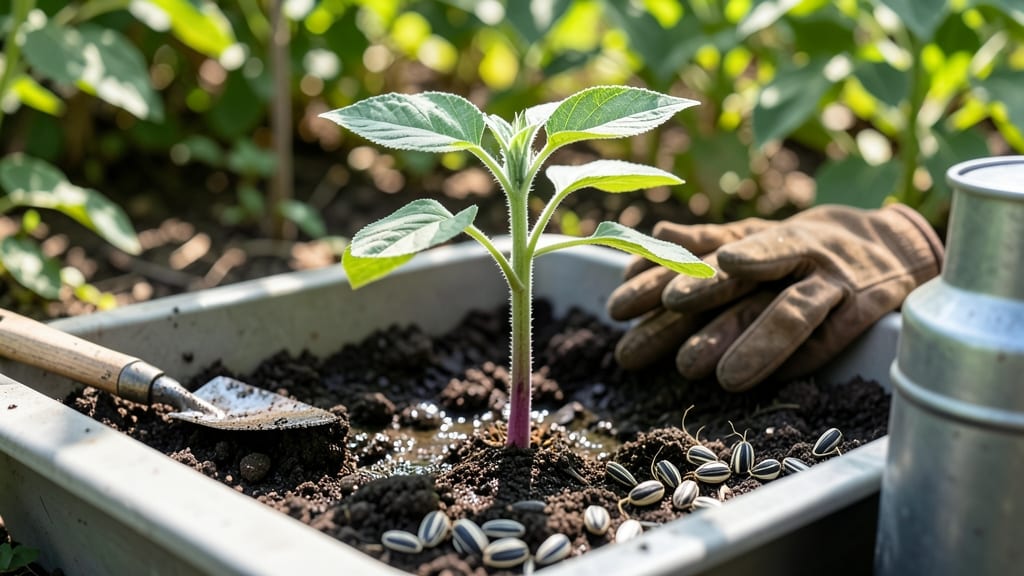
How long does it take for sunflower seeds to sprout? Typically, they emerge in 7–14 days when given the right warmth and moisture—but that wait can feel endless if you’re staring at damp soil, wondering when the first green shoots will break through.
Picture this: you’ve planted your 🌻 sunflower seeds in early spring, and the days stretch on with no sign of life. The truth is, these cheerful giants need consistent soil temperatures—ideally between 70–90°F—to kickstart germination.
Too cool, and they’ll dawdle; too wet, and they’ll rot before they even wake up.
In this guide, I’ll break down exactly what to expect from planting to those first tiny sprouts breaking through, plus the simple tweaks that can shave days off your wait time—without overwatering or risking mold.
You’ll also learn how to troubleshoot if your seeds take longer than two weeks, when to replant, and the one mistake that kills more sunflower seedlings than anything else.
Sunflower seed germination timeline: 7-14 days inside with ideal heat
Sunflower seeds typically sprout in 7 to 14 days when given the right conditions—warm soil, consistent moisture, and proper depth. The germination process begins the moment you plant them, but the first visible signs of life often take 3 to 7 days to appear.
Understanding this timeline helps you avoid overwatering or assuming seeds have failed too soon.
Germination speed depends on three key factors: soil temperature (ideal range: 70-85°F), moisture levels (keep soil damp but not soggy), and seed quality. Older seeds or those stored improperly may take longer, while fresh, high-quality seeds often sprout within 5 to 10 days under perfect conditions.
Here’s what to expect day-by-day once you plant your sunflower seeds 1 inch deep in warm soil:
The first 48 hours are critical—seeds need moisture to activate enzymes that break down stored nutrients. If your soil stays below 60°F, germination can stall for 2+ weeks, while ideal 75-80°F soil speeds up the process to just 5-7 days.
Sunflower seeds are hypogeal germinators, meaning their cotyledons (seed leaves) remain below soil while the true leaves emerge above. This is why you might not see sprouts until Day 6-7, even if roots are already growing.
Patience is key—don’t water excessively, as this can cause seed rot or fungal issues.
If you’re starting seeds indoors under grow lights, place them near a heat mat (set to 80°F) to mimic outdoor spring conditions. Outdoor plantings in cooler climates may take 10-14 days unless you use black plastic mulch to warm the soil faster.
Always test soil temperature with a seedling heat mat thermometer for accuracy.
Pro tip: Pre-soaking seeds for 4-6 hours in warm water can cut germination time by 2-3 days, but skip this if planting outdoors—moisture in the soil is enough. Avoid overwatering after planting, as excess moisture can suffocate seeds or trigger mold before sprouts emerge.
Once your sunflowers break the soil, watch for true leaves (serrated edges) to distinguish them from cotyledons. At this stage, they’re ready for thinning or transplanting. With proper care, you’ll see full sunflower blooms in just 8-12 weeks!
5 Pro tips to make sunflower seeds sprout faster (without overwatering)
Sunflower seeds can feel stubborn when they refuse to sprout on time, but the right techniques can cut your wait from weeks to days. The key is creating an environment where seeds get just enough moisture and warmth to activate without drowning.
I’ve tested these methods in my garden and seen sprouts emerge in as little as 5–7 days—here’s how you can replicate that success.
First, let’s tackle the biggest myth: more water = faster sprouts. Too much moisture suffocates seeds, while too little stalls germination. The trick is balancing consistent dampness with proper airflow. Below are my top strategies to speed up those 🌱 sunflower sprouts without risking rot or mold.
How Long Does It Take for Sunflower Seeds to Sprout?
- 🌱 Indoors (warmth-controlled): 5–7 days
- 🌡️ Outdoors (ideal temps 70–90°F): 7–14 days
- ❄️ Cold soil (<60°F): 3+ weeks (risk of rot)
- 💧 Overwatered seeds: Never sprout (mold kills them)
- ☀️ Direct sunlight (outdoor): 2–3 days faster than shade
Now that you know the timeline, let’s dive into the 5 pro tips that’ll help you beat the average 14-day wait. Start with pre-soaking seeds—this hydrates them before planting, reducing the time they spend waiting for moisture.
Simply place seeds in a damp paper towel for 12–24 hours, then plant immediately. This mimics natural rainfall and can shave off 2–3 days of germination time.
Next, focus on soil temperature. Sunflower seeds need warmth to activate, and cool soil is their biggest enemy. Use a seedling heat mat (set to 75–85°F) if planting indoors in spring.
For outdoor gardens, wait until soil reaches at least 60°F—check with a soil thermometer. Pro tip: Plant in black pots or use dark mulch to absorb and retain heat naturally.
Humidity control is often overlooked, but it’s critical. While seeds need moisture, they’ll rot if the air stays too damp. Place a humidity dome over indoor trays (remove once sprouts appear) or use a fine mist spray bottle for outdoor seeds.
Aim for 40–60% humidity—any higher risks fungal growth. A simple trick? Poke small holes in the dome to allow airflow while keeping soil moist.
One common mistake that slows sprouting is planting too deep. Sunflower seeds should only go 1 inch underground—any deeper, and they’ll struggle to break through. Use your finger to make a shallow hole, drop the seed in, and cover lightly with soil.
For indoor starts, press seeds gently into well-draining potting mix (avoid compacted soil).
Finally, avoid the temptation to overwater after planting. Instead, use the "finger test": stick your finger 1 inch into the soil—if it’s dry, water lightly. If it’s damp, wait.
Overwatering is the #1 killer of sunflower seeds, leading to mold before sprouts even appear. A self-watering planter can help maintain consistent moisture without drowning seeds.