
Flowers
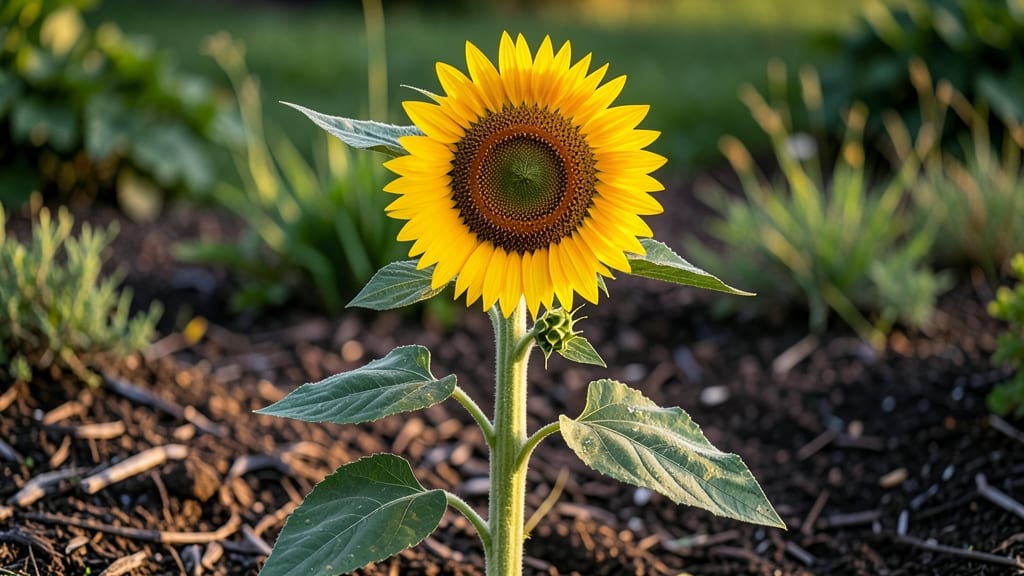
How much sun do sunflowers need? They require 6 to 8+ hours of direct sunlight daily to grow tall, strong, and vibrant 🌻 — far more than most gardeners realize, and cutting corners here means leggy stems or no blooms at all.
Picture this: you’ve just planted your sunflower seeds in April, full of hope for towering blooms by summer, only to watch them stretch toward the sky like they’re reaching for a lightbulb. That’s not just a lack of sun—it’s a growth crisis waiting to happen.
But here’s the catch: not all sun is created equal, and too much direct heat in the afternoon can scorch young leaves, while partial shade might leave you with a sad, skinny plant.
The key is finding that sweet spot where your sunflowers get enough light to thrive without burning out.
In this guide, I’ll break down exactly how much sun sunflowers need at every stage, how to spot signs of sun stress, and even which varieties can handle a little less light. By the end, you’ll know whether your garden gets enough sunlight—or how to hack it if it doesn’t.

The ideal sunlight requirements for sunflowers: exact hours and conditions
Sunflowers thrive under bright, direct sunlight, but their exact needs vary depending on the variety and growth stage. Most sunflowers require 6-8+ hours of full sun daily to reach their impressive heights and vibrant blooms.
Without enough light, they’ll grow leggy, produce smaller flowers, and may even fail to flower at all.
I’ve found that standard sunflowers (like 'Mammoth' or 'Russian Giant') are the most demanding, needing 8+ hours of sun for optimal growth. Meanwhile, dwarf varieties (such as 'Teddy Bear' or 'Moulin Rouge') can tolerate slightly less light—around 5-6 hours daily—though they’ll still perform best with more.
Here’s the breakdown you need to know, including seasonal adjustments and container-specific tips:
Seasonal adjustments are key, especially in northern climates where summer days are shorter. If you’re planting in early spring or late summer, supplement with a grow light for 2-3 hours daily to maintain the 8-hour minimum.
I’ve seen sunflowers in Zone 4 gardens thrive with this extra light boost during cloudy periods.
For container growers, south-facing windows or balconies are ideal, but even east- or west-facing spots can work if you rotate pots weekly to ensure even light exposure. Avoid north-facing setups—sunflowers will stretch toward any available light, becoming weak and prone to lodging (falling over).
Pro tip: Use a sunlight meter or observe your sunflowers’ shadows. If the shadow is shorter than the plant itself during peak sun (around 12 PM), they’re likely getting enough light.
If shadows are longer, consider moving them closer to a sunny spot or adding a reflective surface (like white gravel) to bounce light onto the plants.
Remember, sunflowers aren’t just about aesthetics—they’re energy producers. Their leaves convert sunlight into food through photosynthesis, fueling rapid growth. With the right light exposure, you’ll see thicker stems, larger blooms, and higher seed yields. It’s worth the effort to give them what they crave!
Signs your sunflowers aren’t getting enough sun (and how to fix it)
If your sunflowers look more like tall, lanky weeds than majestic blooms, they’re probably begging for more sunlight. Leggy stems and sparse foliage are classic red flags that your plants aren’t getting the 6+ hours of direct sun they crave daily.
Even if you planted them in a sunny spot, nearby trees or buildings might be stealing their light without you noticing.
Another dead giveaway? Pale, yellowing leaves that never darken into their signature deep green. Sunflowers need intense light to produce chlorophyll, and when they don’t get it, their leaves turn almost white—like they’re starving for energy.
Worse yet, they might bolt too early, sending up flower stalks before reaching their full height, leaving you with tiny, underwhelming blooms.
⚠️ How Much Sun Do Sunflowers Really Need?
Standard varieties demand 8+ hours of full sun daily for optimal growth. Dwarf varieties can tolerate 6 hours minimum, but even they’ll stretch and weaken without more. Partial shade (under 4 hours of direct sun) will stunt growth, delay flowering, and leave plants vulnerable to pests and disease.
Pro Tip: Use a sunlight calculator (like those from local weather stations) to check your garden’s actual sun exposure—many gardeners overestimate their sunlight hours!
Don’t overlook weak stems that flop over like overcooked spaghetti. Sunflowers need sunlight to build strong cellulose fibers in their stems, and without it, they become brittle and prone to snapping—especially in wind or rain.
Even if your plants are still alive, they’ll struggle to support those heavy flower heads you’re dreaming of.
Here’s the good news: fixing sun deprivation is easier than you think. Start by relocating your sunflowers to a sunnier spot—even moving them just a few feet can make a world of difference.
If your garden lacks natural sunlight, try placing a reflective surface (like a white wall or mirror) nearby to bounce extra light onto your plants. For containers, opt for south-facing balconies or use grow lights for 4-6 hours daily if needed.
If you’re dealing with newly sprouted seedlings, don’t panic—young sunflowers can handle partial shade for a few weeks while they establish roots. But once they’re 3-4 inches tall, transition them to full sun gradually over 5-7 days to avoid sunburn.
And if your garden is permanently shady? Choose shade-tolerant varieties like ‘Teddy Bear’ or ‘Moulin Rouge,’ which can handle 4-6 hours of sun while still producing cheerful blooms.
Remember, sunflowers are phototropic, meaning they’ll lean toward light like sun-seeking vampires. If you notice all your plants growing at a 45-degree angle, it’s time to rotate them every few days to encourage straight, sturdy growth.
With the right light fix, your sunflowers will go from sad and scraggly to tall, proud, and blooming in no time.