
Flowers
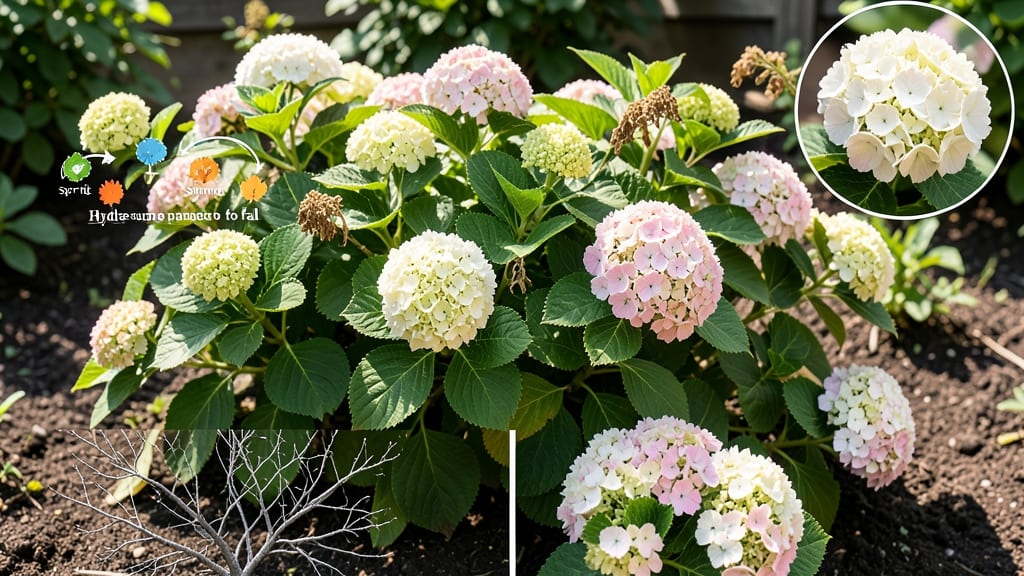
Hydrangeas flower with stunning regularity when you understand their blooming cycles—some just once a year, while others reward you with two seasons of color.
If you’ve ever wondered why your hydrangeas seem to bloom sporadically—or not at all—you’re not alone. The key lies in knowing whether you’re growing a one-time bloomer or a reblooming variety, and how to coax the most flowers from them.
Most hydrangeas—like the classic mophead and lacecap—produce their best blooms on old wood, meaning they flower in spring from buds set the previous year. But newer hybrids, such as 'Endless Summer', bloom twice: once on old wood in spring, and again on new growth in summer.
In this guide, I’ll break down how often hydrangeas flower, the factors that control their blooming frequency, and the simple care tweaks that can turn a one-time show into year-round color.
Hydrangea flowering frequency: year-round vs seasonal bloomers explained
Hydrangeas are famous for their showy, colorful blooms, but not all varieties deliver the same flowering frequency. Some produce one spectacular show each year, while others can rebloom multiple times with the right care.
Understanding these differences helps you choose the perfect hydrangea for your garden’s style and climate.
The key difference lies in their natural blooming cycles. Traditional varieties like mophead and lacecap hydrangeas typically flower on old wood (last year’s growth), meaning they bloom just once per season—usually in late spring to early summer.
Reblooming varieties, such as 'Endless Summer' or 'Annabelle', produce flowers on both old and new wood, allowing them to bloom in two waves—once in spring and again in summer or fall.
Your location and microclimate also play a huge role. In warmer zones (USDA 7-9), reblooming hydrangeas can continue flowering into late fall, while in cooler regions (USDA 5-6), they may only produce one extended bloom cycle.
Let’s break down the specifics so you can set realistic expectations for your garden.
If you’re dreaming of year-round hydrangea color, reblooming varieties are your best bet—but they require consistent care. For example, 'Endless Summer' needs regular pruning in late winter to remove dead wood and encourage new growth.
Skip this step, and you’ll miss out on that second bloom cycle. Meanwhile, traditional varieties like mophead hydrangeas thrive with minimal pruning, as long as you wait until after their spring show.
Light exposure also affects blooming frequency. Most hydrangeas prefer partial shade (4-6 hours of sun), but panicle hydrangeas can handle full sun in cooler climates. Too much direct sun—especially in hot afternoons—can stress the plant and reduce flower production.
Test your garden’s sunlight by placing a hydrangea in a shaded spot first before committing to full sun exposure.
Temperature plays a surprising role too. Many hydrangeas need a period of dormancy (cooler nights) to set buds for the next season. In mild-winter zones, this can disrupt blooming cycles. If you live in a USDA Zone 8+, consider mulching heavily in winter to simulate cooler conditions.
For rebloomers, late spring frosts can damage new buds, so choose frost-resistant varieties like 'Little Lime' if you’re in a high-risk area.
Soil
Key factors that control how often hydrangeas flower
Hydrangeas thrive when you align their care with their natural blooming habits. The frequency of flowers depends on whether you’re growing a one-time bloomer or a reblooming variety.
For example, classic mophead hydrangeas produce their best flowers on old wood—buds set the previous year—while 'Endless Summer' hybrids bloom twice: once on old wood in spring and again on new growth in summer.
To maximize blooms, focus on four key factors: pruning timing, soil pH, watering consistency, and seasonal care. Each plays a critical role in whether your hydrangeas reward you with one spectacular show or year-round color.
Let’s break down how to optimize each for your specific hydrangea type.
- 1 Prune at the right time: Cut back one-time bloomers (like mophead) right after flowering to avoid removing next year’s buds. Rebloomers (e.g., 'Endless Summer') can be pruned in late winter or early spring to encourage new growth and summer blooms.
- 2 Adjust soil pH for color: Acidic soil (pH 5.0–5.5) produces blue flowers, while alkaline soil (pH 6.0–7.0) yields pink blooms. Test your soil and amend with sulfur or lime as needed to control color and encourage blooming.
- 3 Water deeply and consistently: Hydrangeas need 1–2 gallons of water per plant every 3–5 days. Morning watering prevents fungal issues, and mulch around the base retains moisture. Avoid soggy soil, which can rot roots and reduce blooms.
- 4 Fertilize in early spring with a balanced 10-10-10 fertilizer to support blooming. Reblooming varieties benefit from a second feeding in midsummer to encourage fall flowers. Avoid high-nitrogen fertilizers, which promote leafy growth at the expense of blooms.
- 5 Protect from extreme heat: Hydrangeas wilt in hotter climates (USDA Zone 8+). Provide afternoon shade and increase watering frequency during heatwaves. Deadheading spent blooms on rebloomers in late summer can extend the flowering season.
For one-time bloomers, the key is preserving old wood. Avoid pruning until after flowering, and never cut back more than 1/3 of the plant at once.
For reblooming varieties, a light pruning in late winter removes dead wood and shapes the plant while leaving room for new growth to produce summer blooms.
Soil pH isn’t just about flower color—it also impacts blooming frequency. Most hydrangeas prefer slightly acidic to neutral soil. If your blooms are sparse, test your soil and amend it with organic matter like compost or specific pH adjusters to create ideal conditions.
Consistency is key: fluctuating pH levels stress the plant and reduce flowering.
Finally, seasonal care makes all the difference. In spring, focus on fertilizing and pruning to set the stage for blooms. During summer, prioritize watering and deadheading to encourage reblooming.
In fall, reduce watering and remove spent blooms to protect the plant as it prepares for dormancy. With these adjustments, your hydrangeas will flower more frequently and abundantly each season.