
How To
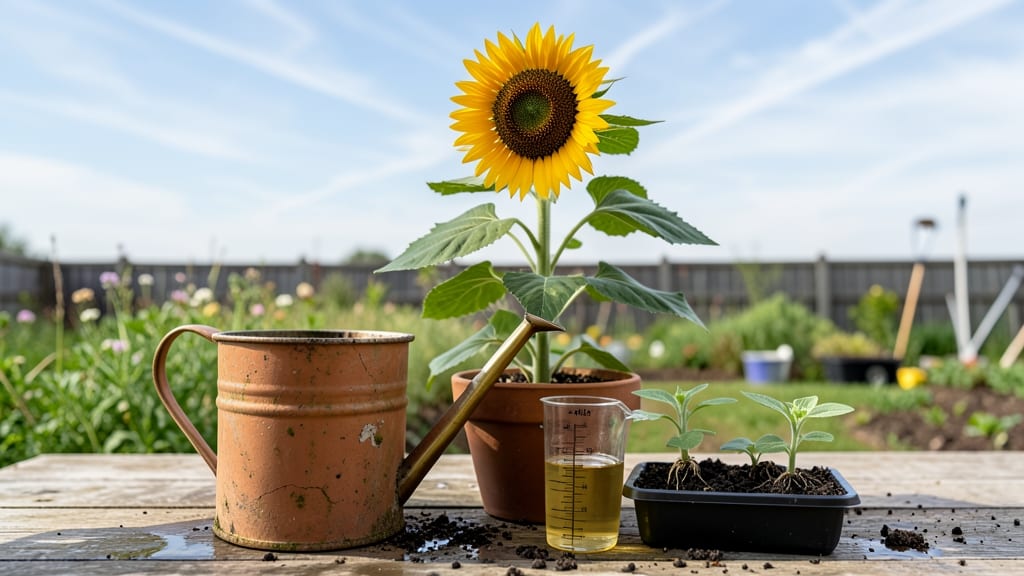
Watering sunflower seeds the right way—how often to water sunflower seeds—keeping soil consistently moist but never soggy—is the fastest way to trigger those first sprouts in just 7 days.
Struggling to coax those stubborn sunflower seeds into sprouting? The secret isn’t just patience—it’s mastering the perfect watering rhythm that triggers germination without drowning your seeds.
Here’s the game-changer: daily light misting for the first week, then shifting to deep watering every 2-3 days once the sprout breaks through. Too much water? Your seeds rot. Too little? They dry out before waking up.
Below, I’ll walk you through the exact schedule, soil moisture tests, and climate tweaks to turn your seeds into fast-sprouting 🌻 powerhouses—no guesswork, just results.
The ideal watering schedule for sunflower seed germination
Sunflower seeds need consistent moisture to germinate, but too much water can drown them. The key is light, frequent watering that keeps soil damp—not soggy. During germination, aim for daily light misting or shallow watering until sprouts appear. This balance triggers enzymes that break down seed coatings, kickstarting growth.
Most gardeners struggle because they either overwater (causing rot) or underwater (delaying sprouts). Sunflower seeds germinate best in warm soil (60°F+) with steady moisture. Think of it like a damp sponge—not dripping, just evenly moist. Here’s how to nail the perfect rhythm:
🌱 PRO TIP: Use a moisture meter or the "finger test"—insert your finger 1 inch deep. If it feels dry, water lightly. If it’s damp, wait 24 hours. Overwatering is the #1 killer of sunflower sprouts.
For the first 7 days, I water my sunflower seeds every morning with a spray bottle or gentle stream. This mimics natural rainfall without displacing seeds.
Use a fine-mist setting to avoid compacting soil. If you’re using containers, ensure they have drainage holes—stagnant water is a death sentence for sprouts.
Environmental factors like humidity and temperature play huge roles. In dry climates, increase frequency to twice daily (morning/evening). If humidity is high (e.g., 70%+), reduce to every other day to prevent fungal growth.
A clear plastic dome or humidity tray can help in arid conditions, but remove it once sprouts appear.
Test your soil’s moisture like a pro: Press your finger 1 inch deep. If it feels dry, water lightly. If it’s cool and damp, wait. Sunflower seeds need 60–75% moisture to germinate, but 80%+ causes rot. Think of a wrung-out sponge—just enough to hold shape, not drip.
Once sprouts emerge (usually 5–10 days), switch to deep watering every 2–3 days. Water at the base, not overhead, to prevent fungal diseases like damping-off. Use a watering can with a narrow spout for precision. Avoid wetting leaves, which can attract pests and diseases.
Containers dry out faster than in-ground soil, so adjust your schedule accordingly. If your pots are in full sun, check moisture daily. If shaded, every other day suffices. Mulch with straw or shredded leaves to retain moisture and regulate temperature—this cuts watering needs by 30%.
Watch for yellowing leaves or mushy stems, which signal overwatering. Conversely, wilted seedlings or dry soil cracks mean you’re underwatering. Adjust immediately—sunflowers are resilient once established, but germination is delicate. With the right rhythm, you’ll see sprouts in 7–10 days!
Common watering mistakes that kill sunflower sprouts before they start
Sunflower seeds are surprisingly delicate during germination, and even small watering errors can turn your 7-day sprouting dreams into rotting disappointment. The two biggest culprits? Overwatering and underwatering, both of which create conditions that suffocate seeds before they even wake up.
Overwatering creates anaerobic soil, cutting off oxygen and triggering damping-off disease, a fungal infection that turns sprouts to mush. Underwatering, meanwhile, leaves seeds bone-dry, preventing them from absorbing the moisture they need to break dormancy.
Both mistakes stem from a lack of understanding how humidity and soil texture interact with sunflower seeds.
⚠️ callout warning
How Often to Water Sunflower Seeds
Sunflower seeds need consistent moisture but not soggy soil. The soak-and-drain method is key: Water until the top 1 inch of soil is damp, then let it dry slightly before repeating. Daily misting works for the first 3-5 days, but switch to deep watering every 2 days once sprouts appear.
🌱 Pro Tip: Use your finger to test soil moisture—it should feel like a wrung-out sponge, not a damp rag.
One of the most common signs of overwatering is seeds that swell but never sprout. The seed coat may even split, but no green shoot emerges. This happens because excess water leaches out oxygen and creates a fermenting environment, which is toxic to germinating seeds.
On the flip side, underwatered seeds often appear shriveled or cracked, a clear sign they’ve lost too much moisture to break dormancy.
Humidity plays a surprising role here. In dry climates, you may need to water daily to maintain moisture, while in humid environments, you risk overwatering if you stick to a rigid schedule. Always check the soil—top 1 inch dry is the cue to water, not a calendar.
The soak-and-drain technique is your best defense against damping-off. After planting, give your seeds a deep soak to settle the soil, then let it drain completely. From there, water just enough to keep the top inch moist, but avoid creating puddles.
This mimics natural rainfall patterns and gives seeds the oxygen-rich environment they need to thrive.
If you’ve already planted seeds and suspect damping-off, act fast. Remove any mushy or blackened sprouts immediately, and reduce watering to every 3 days while improving airflow with light mulch. Adding a fungicide spray (like neem oil) can also help prevent further spread.
Remember, sunflower seeds are resilient once they’ve sprouted, but the first 10 days are make-or-break. Stick to the soak-and-drain method, monitor soil moisture like a hawk, and soon you’ll be watching those golden 🌻 stalks reach for the sky.