
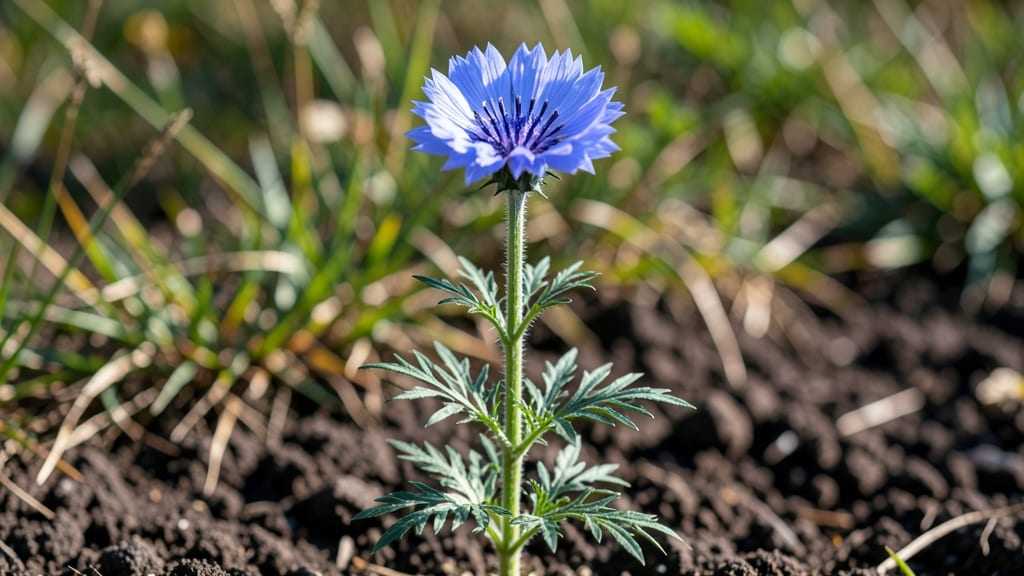
How Tall Do Cornflowers Grow: Height Guide by Variety for Full-Bloom Gardens

Flowers

How Tall Do Cornflowers Grow: Height Guide by Variety for Full-Bloom Gardens

Cornflowers grow between 1 and 4 feet tall, depending on the variety and growing conditions, making them a versatile choice for borders, pollinator gardens, and cut-flower arrangements.

Picture this: a sea of vibrant blue 🌸 cornflowers swaying in your garden, their height perfectly framing your patio or complementing taller perennials.

But here’s the catch—some varieties barely clear your knee, while others reach eye level, and planting them too close can turn your dream display into a tangled mess.

Whether you’re growing dwarf types like 'Blue Boy' or towering 'Black Boy' varieties, knowing their mature height helps you space them just right for full, airy blooms. Below, I’ll break down the height ranges by type, plus the soil and sunlight tricks to coax them to their full potential.

You’ll also discover how to pair them with other flowers for drama, avoid common height-related mistakes, and keep those stems sturdy—even in windy spots. Ready to plan your perfect cornflower patch?

Cornflower Height Range
1 ftto4 ft
0 ft 3 ft 6 ft 9 ft 12 ft
🌱 Medium Flower

Cornflower height by variety: dwarf to giant blooms explained

Cornflowers (Centaurea cyanus) are one of the most versatile flowers in my garden, offering everything from compact cottage garden charm to towering pollinator magnets.

Their height varies dramatically by variety, so choosing the right type ensures your garden design works—whether you want low borders or back-of-bed drama. Let’s explore the spectrum from dwarf varieties to giant bloomers and how to space them for maximum impact.

From my experience, dwarf cornflowers like 'Little Ling' stay under 2 feet tall, making them perfect for container gardens or rockeries. Meanwhile, varieties like 'Black Boy' can reach 4 feet or taller, creating stunning vertical accents.

The key is understanding each variety’s growth habit—some grow in bushy clumps, while others send up single tall spikes—so you can plan your spacing accordingly.

Here’s a quick visual guide to help you visualize how these varieties will fit into your garden layout, including their mature heights and ideal spacing:

Variety Height Range Growth Habit Ideal Spacing Notes
'Little Ling' 12–18" Bushy 8–12" apart Dwarf annual, great for borders
'Blue Boy' 24–30" Single spikes 12–18" apart Classic blue, long-lasting blooms
'Black Boy' 36–48" Tall spikes 18–24" apart Deep purple-black blooms
'Carmen' 20–24" Bushy 10–12" apart Double flowers, pink hues
'Blue Horizon' 30–36" Single spikes 18" apart Long bloom time, drought-tolerant
'Moonlight' 18–24" Bushy 8–12" apart White/pink blooms, great for cut flowers
'Perky Blue' 12–18" Compact 6–8" apart Perfect for containers
'Ruby Wedding' 24–30" Single spikes 12–18" apart Deep red-purple blooms
'Blue Star'

How to maximize cornflower height without flopping (pro tips)

Cornflowers (Centaurea cyanus) may look delicate, but with the right care, they can reach their full 3-4 foot potential—without toppling over. The secret lies in soil prep, strategic pruning, and smart support.

I’ve grown these beauties for years, and I’ll share my top tricks to keep them standing tall and proud in your garden beds.

First, focus on soil drainage—cornflowers hate soggy roots. Amend heavy clay with sand or perlite to prevent waterlogging, which stunts growth. A slightly alkaline pH (6.5-7.5) also boosts their vigor.

Test your soil before planting, and adjust with lime if needed. Healthy roots mean stronger stems that won’t flop in summer breezes.

⚠️ callout-tip

🌱 How Tall Do Cornflowers Grow?
  • Dwarf varieties: 1-2 ft
  • Standard types: 2-4 ft
  • Giant blooms: Up to 4 ft (with support)

Pro Tip: Space plants 12-18 inches apart to allow airflow and prevent disease, which keeps stems sturdy.

Next, deadhead regularly to encourage taller growth. Snip off spent blooms just above the second set of leaves—this redirects energy to stem strength instead of seed production.

For extra height, pinch back leggy seedlings when they’re 6 inches tall. This trick forces bushier growth with thicker stems that won’t snap in windy conditions.

If your garden gets windy, don’t wait for flopping to happen—stake early. Use bamboo stakes or tomato cages (6-8 inches tall) and tie stems loosely with soft garden twine.

Avoid tight ties, which can girdle stems as they thicken. For a natural look, plant cornflowers near tall grasses like miscanthus or shrubby perennials like lavender, which act as windbreaks.

Companion plants can also boost height. Pair cornflowers with dwarf sunflowers or cosmos—these plants share similar sunlight needs but provide structural support. Avoid heavy feeders like marigolds, which compete for nutrients and weaken cornflower stems.

Instead, mulch with straw to retain moisture and suppress weeds that steal nutrients.

For troubleshooting, leggy stems often mean too little light or over-fertilizing. Move plants to a sunnier spot and reduce nitrogen—it promotes foliage over flowers. Stunted growth?

Check for compacted soil or pests like slugs. Handpick slugs at dusk or use diatomaceous earth to protect young plants while they establish stronger roots.

With these pro tips, your cornflowers will stand tall, proud, and flop-free—ready to steal the show in your garden. The key is balance: good soil, smart pruning, and just enough support to let their natural beauty shine.

★★★★★4.9(5 reviews)
Categories Flowers